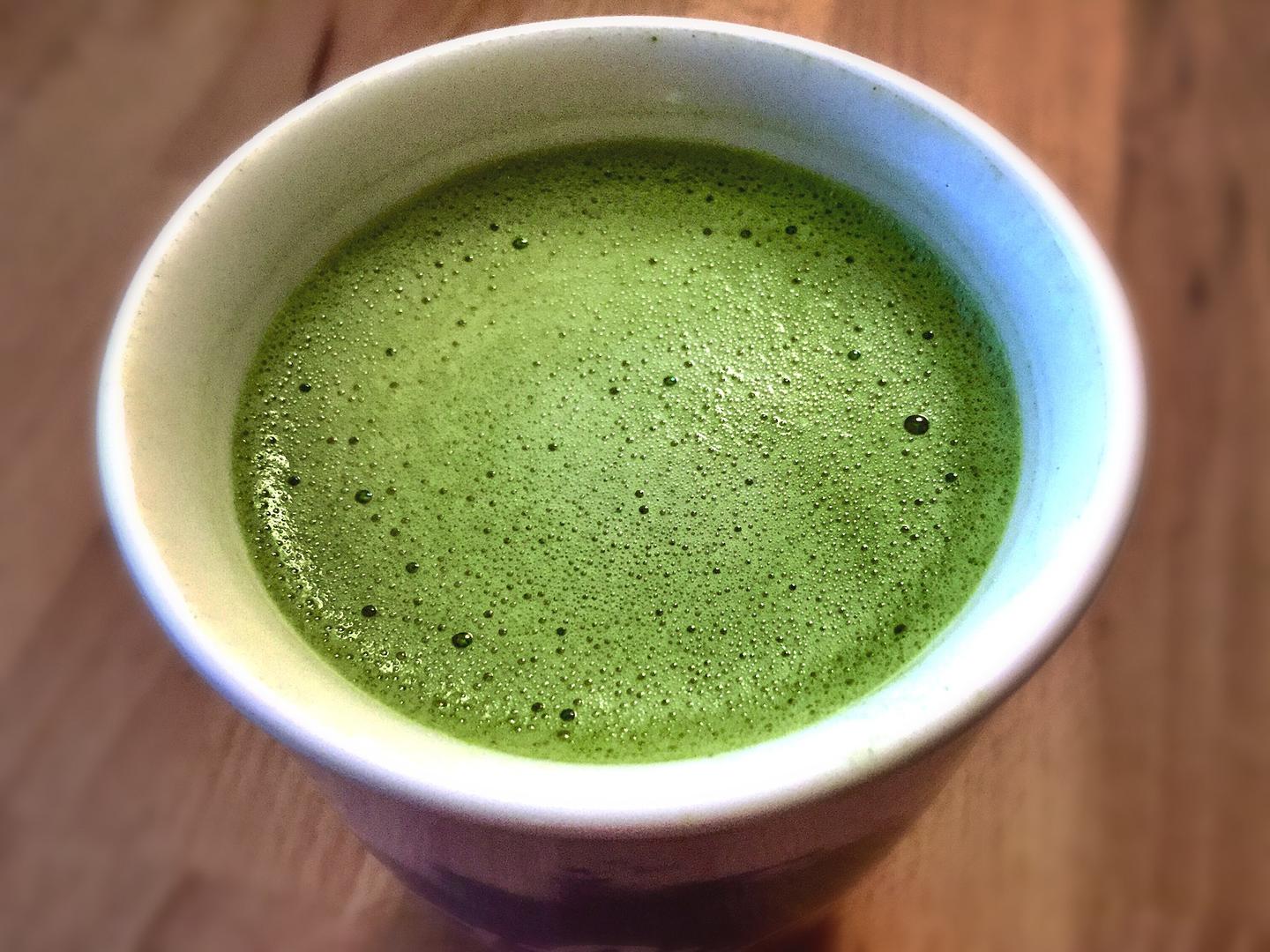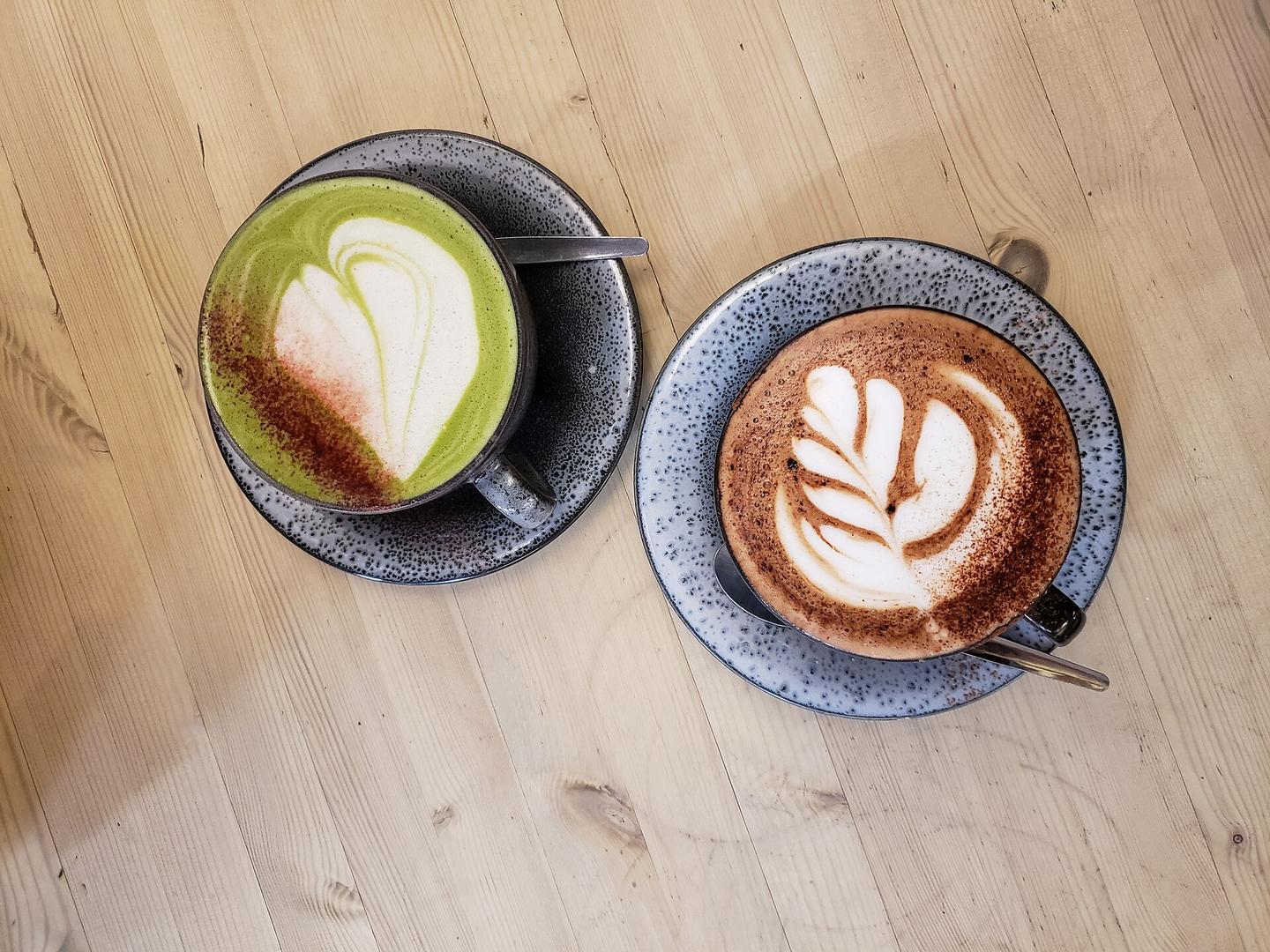
MATCHAMON opens in Kanazawa Station's orbit
Kanazawa Station is one of those places that makes you feel as if the city has decided to greet you properly. There are the famous wooden gate structures, the steady flow of travellers, and that slightly electric station-front atmosphere where you can buy a train ticket, a pastry, a souvenir, and possibly a feeling of civic optimism all in one go. So it makes perfect sense that MATCHAMON has chosen this area for its debut as a Japanese 抹茶 (matcha, powdered green tea) brand, opening from 23 April.
The location matters. Kanazawa isn't just another dot on the map, it's a place people actively visit for food, crafts, history, and the sort of atmospheric wandering that makes even the word "station" feel a bit romantic. And if you're opening a matcha brand in Japan, you'd probably want a setting where visitors are already thinking about 茶屋 (chaya, teahouse) districts, 和菓子 (wagashi, Japanese sweets), and the slow pleasures of tea. In other words, not a bad place to try selling something that tastes like calm in powdered form.
What I especially like is the logic of the launch. MATCHAMON isn't arriving in a vacuum, but into a city where tourism and local food culture already feed each other. That gives the brand a built-in audience: Japanese travellers, overseas visitors, and the sort of person who'll happily queue for a matcha latte if the cup looks photogenic enough (which, let's be honest, is most of us at least once).
Why Kanazawa suits a new matcha brand so well
Hand on heart: Kanazawa has long been good at making food feel culturally grounded rather than merely trendy. The city is associated with refined hospitality, high-quality ingredients, and a pace that encourages you to notice small things, like the colour of tea, the texture of sweets, or the difference between a rushed snack and one served with a tiny, dignified pause. MATCHAMON is clearly leaning into that atmosphere.
For example, tourists coming through Kanazawa Station often head straight for Omicho Market, Kenrokuen, or the historic districts around Higashi Chaya. A tea brand positioned near that flow gets to meet people at exactly the right moment, when they are already primed for local flavours and small edible purchases they will later insist are "for later" and then eat immediately. Sounds good, right?
Quick detour: if you are a Japanese learner, this is one of those everyday cultural overlaps that's worth paying attention to. Matcha isn't just a drink word, it's part of a whole vocabulary family, including words like お茶 (ocha, tea), wagashi, and chaya. And because Japanese food branding often ties place, season, and ritual together, reading launches like this gives you a nice window into how the language of consumption and the language of culture often share the same shelf.
Matcha as a cultural, not just commercial, product
And here's the catch: matcha brands in Japan are rarely just selling flavour. They are selling origin story, method, mood, and often a bit of theatre. Powdered green tea has become global enough that people may think of it as a latte trend, but in Japan it still sits inside a much older conversation about ceremony, craftsmanship, and hospitality. MATCHAMON, by opening in Kanazawa, is placing itself right inside that conversation.
The city already has the sort of cultural texture that supports it. You can drink tea in a modern cafe, then walk ten minutes and find yourself in a street where the buildings, sweets, and quietness all suggest another era. That contrast is part of the appeal, and it's exactly why food launches in places like Kanazawa feel more meaningful than a generic retail opening. They become part of the city's story rather than a branding exercise in a rented corner. Which is rarer than it should be, frankly.
What MATCHAMON says about Japan's food tourism
Trust me on this one: food tourism in Japan often works best when it is rooted in a place that already has its own rhythm. Kanazawa has that in spades. Visitors come for the castle, the garden, the preserved streets, and then discover that a good tea stop can slow the whole day down in exactly the right way. MATCHAMON fits that pattern neatly, because matcha is both a souvenir and an experience, a thing you can take home and a thing you can drink on the spot.



Before I forget: launches like this also reveal how Japan keeps refreshing local food scenes without losing the older backbone underneath. A new brand opens, yes, but it still has to answer to expectations around taste, presentation, and place. In Japan, that is a very real test. You can get away with a lot elsewhere; here, people notice if the tea is thin, the sweets are sloppy, or the shop feels like it was assembled with all the charm of an airport kiosk. No pressure.
My tip: if you visit Kanazawa and spot a matcha shop, don't just order the loudest-looking dessert. Try the plain tea first. That is where you can tell whether a brand understands balance, bitterness, aroma, and the slightly stubborn elegance of good matcha. And if you are learning Japanese, try picking out menu words like 濃茶 (koicha, thick tea), 薄茶 (usucha, thin tea), or 生 (nama, raw; fresh). Even a small bit of vocabulary makes the whole experience feel less like browsing and more like participating.
A launch with local pull and tourist reach
Guess what? That is probably the real strength of MATCHAMON's Kanazawa opening. It works for people who live there, people passing through, and people who have built an entire trip around eating as much as possible in a single prefecture. The brand gets local credibility from the city, and the city gets another food stop that encourages lingering, which is a very Japanese kind of win-win.
And because this opening began on 23 April, it lands right in that spring-to-early-summer moment when travel feels especially tempting. The weather is getting gentler, the city walks become easier, and tea, naturally, seems to make more sense. Honestly, that is half the battle with any food launch in Japan: timing the craving before the craving has even admitted it exists.
So yes, MATCHAMON is "just" a matcha brand opening in Kanazawa, but that undersells it a bit. It is also a neat example of how Japanese food businesses connect local identity, tourism, and tea culture without making a song and dance of it. Which, given the subject matter, is almost impressively on brand.
And if you're collecting examples of how Japanese place names, food culture, and visitor traffic all braid together, this is a tidy one. Kanazawa Station, local sightseeing, matcha, spring opening date, all here, all in one fairly elegant package. From my experience, those are the launches worth watching.
Read more Japan news on jpnerd.com.
Frequently Asked Questions
When did MATCHAMON open in Kanazawa?
The brand launched on 23 April.
Why is Kanazawa a smart location for a matcha brand?
Because it combines strong tourism, food culture, and a setting that fits tea culture naturally.
Is this only for tourists?
No, it also appeals to local customers looking for a new tea-focused stop near the station area.