What many people overlook is this: Tezuka wasn’t just “the other guy on Zelda”. He was there when Nintendo was building the language of modern action-adventure games, and that makes his role worth a proper nerdy look.
![Dragon Ball Z: Kakarot [Master Edition]](https://s.pacn.ws/1/p/1eh/dragon-ball-z-kakarot-master-edition-908785.1.jpg?v=t8ja8t&width=400)


Takashi Tezuka: the quiet designer behind Zelda
Ever wondered why The Legend of Zelda feels both playful and grand? Takashi Tezuka is a big reason. Born in Osaka in 1960, he joined Nintendo in the early 1980s and very quickly became one of the company’s most trusted creative minds.
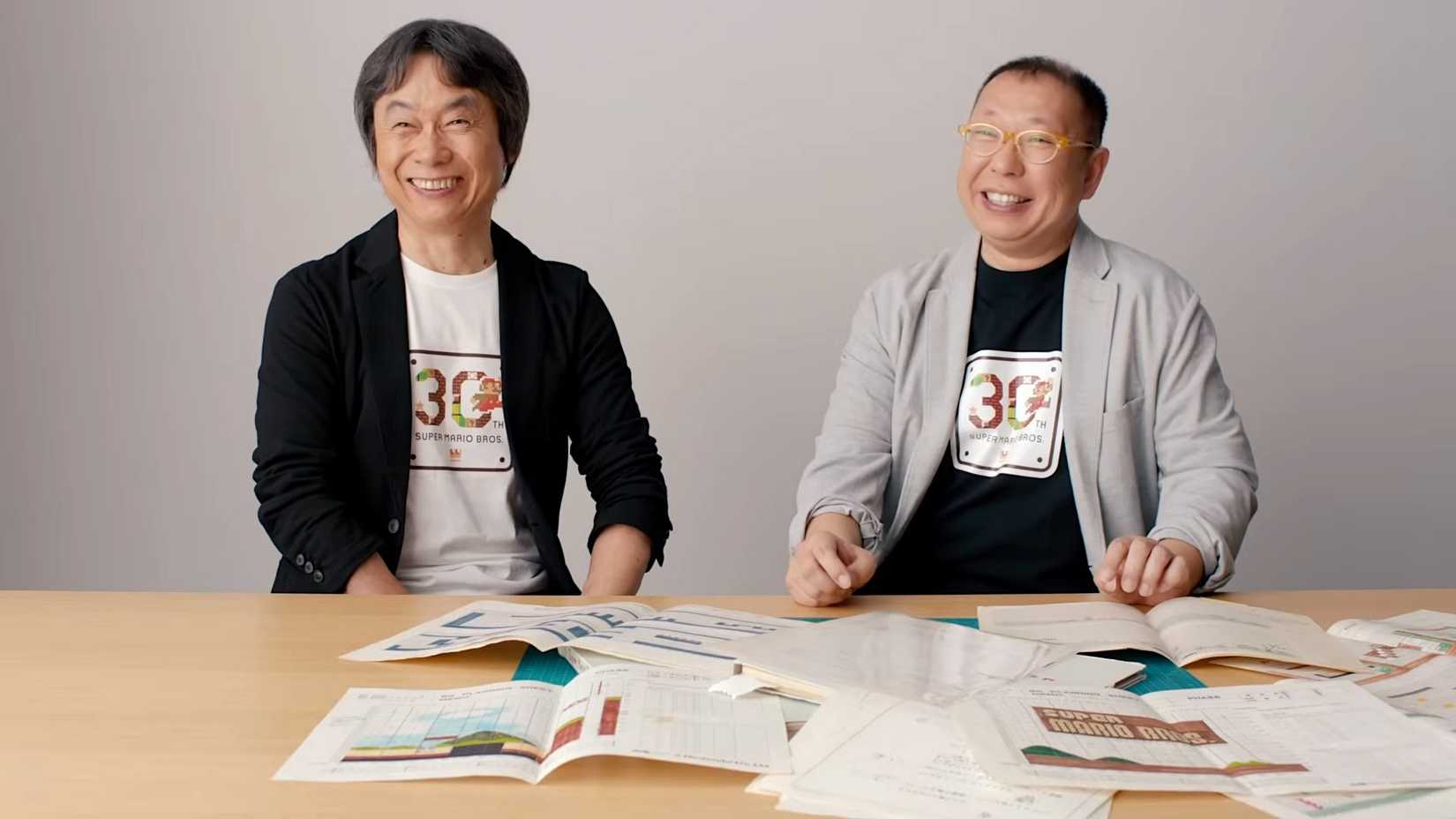
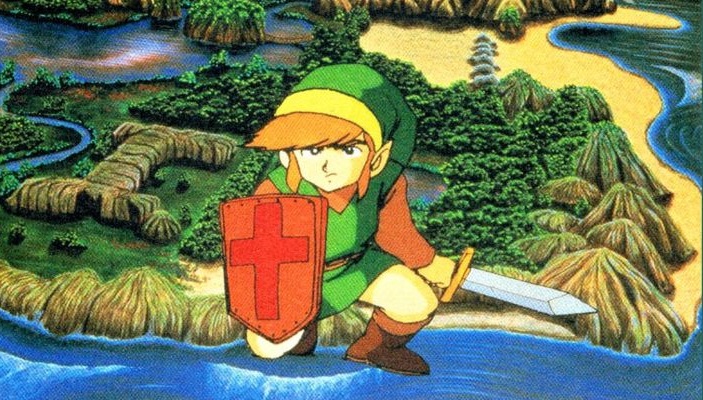
Take The Legend of Zelda, for instance. Released in 1986 on the Famicom Disk System in Japan, it wasn’t just another adventure game, it was a strange little world that asked players to explore, fail, remember, and try again. Tezuka worked alongside Shigeru Miyamoto on the project, and that partnership mattered. Miyamoto often gets the loudest spotlight, but Tezuka helped turn the concept into something structured, readable, and emotionally welcoming. And there’s more.
What I especially like is this: Tezuka’s touch never screams for attention. It shows up in pacing, in how areas connect, and in how Nintendo games teach you by letting you experiment. That’s a very Nintendo way of designing, and it has a quiet elegance to it. Simply brilliant.
Takashi Tezuka, Zelda, and the Nintendo style
Unlike what we’re used to in many modern games, early Zelda didn’t hold your hand. You got a sword, a map full of mystery, and the sense that the world was larger than your initial understanding. Tezuka helped make that feel fair, not random. That balance is part of why the series worked so well.
Here’s the deal: Zelda is weird in the best way. It mixes fairy-tale imagery, danger, comedy, and tiny human details. Tezuka has long been associated with that softer side of Nintendo storytelling, the kind that can make a forest feel inviting or a dungeon feel like a puzzle box instead of a punishment. The result was a game that felt big in scope, but never cold.
Why his work still matters for players today
Before I forget, this isn’t just old history. The design habits that Tezuka helped shape show up in later Nintendo classics too, from the rhythm of Super Mario World to the careful world logic of A Link to the Past, released in 1991 on the Super Famicom. He became known inside Nintendo not just as a director, but as someone who could protect the feel of a game while making it larger and smarter.
Plot twist: that matters for language learners too. If you study Japanese through games, Zelda is a great case because its style reflects simple, repeated logic. Words like 道 (michi) for path, 森 (mori) for forest, and 城 (shiro) for castle appear in many fantasy settings and make excellent vocabulary anchors. Nintendo stories often use plain, visual language, so you can learn context faster than you might expect. My tip? Play with a notebook nearby, and jot down recurring words instead of trying to memorise everything at once. But that's not all.
Miyamoto and Tezuka: a creative partnership that shaped Nintendo
Ever wondered why Nintendo’s biggest series often feel handmade? That’s partly because of the Miyamoto-Tezuka partnership. Miyamoto brought the big playful ideas, the toy-box imagination, the famous sense of surprise. Tezuka helped refine those ideas into something emotionally and mechanically coherent, which is harder than it sounds.
Take Super Mario Bros. 3 and later Zelda titles as examples of Nintendo’s internal culture. The company didn’t just chase raw size, it chased clarity. Tezuka was one of the people who made that possible, and he eventually became a producer and senior creative figure, overseeing projects across decades. His career is a reminder that game history isn’t built only by headline names. It’s built by the people who keep the machine tuned. Highly recommended: reading Nintendo design history with that in mind.
While we're at it, Tezuka also helped shape the tone of Nintendo’s worlds, which is why its games often feel friendly even when they’re difficult. That soft edge is very Japanese in spirit, a mix of おもてなし (omotenashi, Japanese-style hospitality) and discipline. The player is challenged, yes, but never completely abandoned. That feeling is part of the magic.
Why Takashi Tezuka is still one of Nintendo’s most important creators
Here's the kicker: Tezuka’s importance isn’t only about one franchise. He’s part of the foundation that let Nintendo become Nintendo. Zelda, Mario, and many other series depend on a design philosophy where whimsy and structure support each other. Tezuka helped make that philosophy normal inside the company.
My verdict: if you love Zelda, you should know Tezuka’s name just as well as Miyamoto’s. He’s one of those creators whose influence is everywhere, even when his face isn’t. And for Japan fans, that makes him a perfect example of how Japanese pop culture often runs on teamwork, craft, and a surprising amount of restraint. This is my absolute hidden gem!
Frequently Asked Questions
Who is Takashi Tezuka?
He is a Japanese game designer and producer at Nintendo, known for his early and lasting work on the Zelda series.
What did Takashi Tezuka do for Zelda?
He helped shape the first game’s design, pacing, and overall feel, working closely with Shigeru Miyamoto.
Why is Takashi Tezuka important to Nintendo?
He helped define the company’s creative style, especially the balance between playful ideas and clear game design.