What the Survey Actually Says
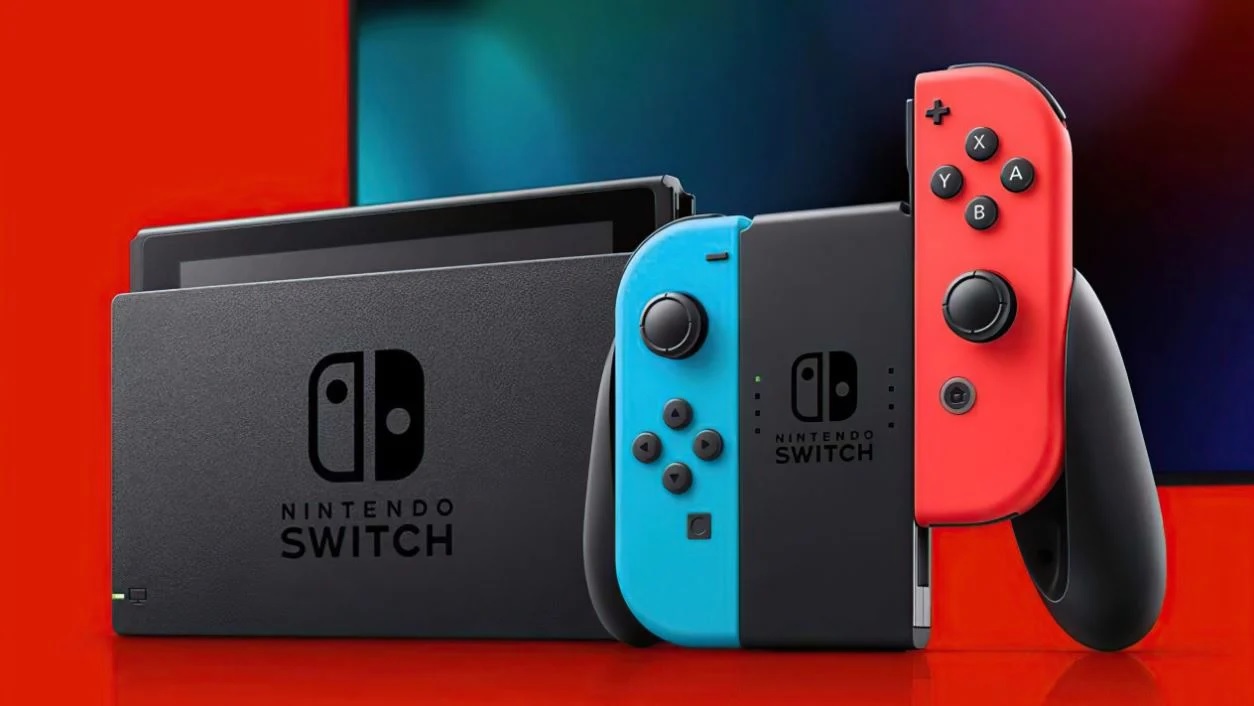
The data comes from a major brand awareness survey conducted in Japan, covered in detail by Automaton Media, one of the most reliable English-language sources for Japanese gaming news. The survey polled Japanese teenagers and asked them to name their favourite brands. The Nintendo Switch landed at number two. Not Nintendo as a company. Not Pokémon. The Switch specifically, as a product brand.
![Startup Company [Console Edition] (Limited Edition)](https://s.pacn.ws/1/p/157/startup-company-console-edition-limited-edition-741799.16.jpg?v=ry4mm8&width=400)
![Startup Company [Console Edition]](https://s.pacn.ws/1/p/157/startup-company-console-edition-741779.10.jpg?v=ry4ngq&width=400)
Think about what that means for a gaming console in 2024. Consoles don't usually make brand lists. Teenagers typically name fashion labels, food chains, or social media platforms. The Switch broke that pattern completely. Sounds weird, but it's true.
What many overlook is that the survey didn't just measure recognition; it measured emotional preference, the brands that teenagers actually identify with. Ranking above Pokémon and Disney in that context is no small achievement. Those are franchises with decades of global cultural weight behind them.
Nintendo Switch and Japanese Youth Culture
Gaming as a Social Ritual
Did you wissen that in Japan, handheld gaming has always carried a stronger social dimension than in most Western countries? Think back to the original Game Boy, then the DS era, when kids would huddle together during lunch breaks at school, trading items in Pokémon or battling in Dragon Quest Monsters. The Switch, with its detachable Joy-Con controllers and tabletop mode, was practically engineered for that same culture.
In Japanese schools, the time between classes and the commute home on the train are prime gaming windows. The Switch fits both perfectly. It's portable enough for the train, but powerful enough to run titles like Splatoon 3 and Animal Crossing: New Horizons, which have massive teen followings in Japan. Animal Crossing alone shifted over 7 million copies in Japan by 2022.
From my experience talking to people who've spent time in Japan, you see Switch consoles on the Shinkansen constantly. It's not a rare sight; it's just part of the landscape.
The Language Connection for Learners
Here's something worth mentioning if you're learning Japanese. The word for game console in Japanese is ゲーム機 (geemu ki), and Nintendo's full company name is 任天堂 (Nintendou). The kanji break down like this: 任 (nin) meaning "to entrust" or "responsibility", 天 (ten) meaning "heaven", and 堂 (dou) meaning "hall" or "prestigious place". So the name carries a meaning closer to "Hall of Heavenly Duty", which honestly fits the brand's legendary status in Japan rather well.
If you ever want to strike up a conversation with a Japanese teenager, asking "Switch 持ってる?" (Suitchi motteru? / "Do you have a Switch?") is a pretty safe opener. My tip? Follow it up by asking what games they're playing. Splatoon 3, Nintendo Switch Sports, and Mario Kart 8 Deluxe consistently rank among the most popular titles with that age group in Japan.
Why the Switch's Brand Power Runs So Deep
The reason is simple: the Switch arrived at exactly the right moment. Released in March 2017 in Japan, it launched alongside The Legend of Zelda: Breath of the Wild. That game alone rewrote expectations for open-world adventure in Japanese game design. The console sold over 3 million units in Japan within its first year.
But hardware doesn't build brand loyalty on its own. What Nintendo managed was to make the Switch feel like a lifestyle object rather than just a machine. The pastel-coloured Joy-Con options, the Nintendo Switch Lite in multiple colours, and the OLED model with its premium screen, every iteration added something that felt personal and expressive. Teenagers in Japan, as elsewhere, care deeply about objects that reflect identity.
What I especially like about this survey result is that it reveals brand love for the Switch isn't driven by marketing spend alone. Nintendo doesn't do traditional advertising the way Western companies might. It relies heavily on word of mouth, Nintendo Direct presentations, and game quality. The fact that teenagers rank the Switch above Disney, one of the most aggressively marketed entertainment brands on the planet, tells you that the connection is genuinely organic.
Take Animal Crossing: New Horizons, for instance. It launched in March 2020, right as COVID-19 lockdowns began in Japan. It became a cultural phenomenon almost immediately, giving millions of people a calm, social virtual space during an isolating period. That emotional association doesn't fade quickly. For a generation of Japanese teenagers, the Switch was quite literally their window to connection during a difficult time. Simply brilliant timing, even if unintentional.
What This Means for Japan's Gaming Landscape
Hand on heart, Japan has never stopped being one of the most important gaming markets in the world. But the relationship between Japanese youth and gaming platforms shifts constantly. PlayStation dominates among older players, PC gaming has grown steadily, and mobile gaming commands enormous hours. The fact that a dedicated home-portable console still commands this kind of brand loyalty among teenagers is genuinely striking.
Nintendo is also preparing for the Nintendo Switch 2, expected to launch in 2025. The pressure to maintain this brand equity into the next hardware generation is real. If teenagers have grown up with the Switch as their primary gaming identity, Nintendo's challenge will be making the successor feel like a natural continuation rather than a disruption.
Before I forget, Japan's gaming market generated approximately 1.98 trillion yen in 2023, according to industry data. The youth segment drives a disproportionate share of social buzz and long-term franchise loyalty. Holding second place in teenage brand affinity isn't just a feel-good statistic; it's a commercial foundation.
My verdict? The Nintendo Switch's standing in this survey isn't an accident or a blip. It reflects years of smart hardware design, culturally resonant software, and a genuine understanding of how Japanese teenagers use gaming as part of their daily social lives. Wait, there's more. With the Switch 2 on the horizon, this brand affinity becomes the single most valuable asset Nintendo carries into its next chapter.
More Japan news on jpnerd.comFrequently Asked Questions
Which brand ranked first among Japanese teenagers in the survey?
The survey covered by Automaton Media placed Nintendo Switch at number two. The first-place brand wasn't the focus of the Automaton report, but the ranking notably placed the Switch above Pokémon, Disney, and Nintendo as a standalone brand name.
Why is the Nintendo Switch so popular with teenagers in Japan specifically?
Japan has a strong handheld gaming culture going back to the Game Boy era. The Switch's portable design fits the Japanese school and commute lifestyle perfectly, and major titles like Splatoon 3 and Animal Crossing: New Horizons have enormous teen fanbases in Japan.
How can Japanese learners use Nintendo Switch as a learning tool?
Setting your Switch's system language to Japanese is a practical step. Many Nintendo first-party games include full Japanese text and voice options. Games like Animal Crossing expose you to everyday vocabulary, hiragana, and katakana in a low-pressure context.