
For Japan fans and retro gamers, this is the kind of news that makes you sit up a little straighter. It smells like a reset, not a retreat.
![Dragon Ball Z: Kakarot [Master Edition]](https://s.pacn.ws/1/p/1eh/dragon-ball-z-kakarot-master-edition-908785.1.jpg?v=t8ja8t&width=400)


SEGA retreats from Super Game, but not from its classics
What happened? SEGA appears to have stopped talking about its ambitious Super Game project, the umbrella idea it first floated in 2022 for a lineup of major online titles. The company had presented it as a long-term, big-budget push, but recent reporting suggests that name is no longer being used in the same way, if at all. Seriously though, that doesn’t mean SEGA is backing away from its old hits.
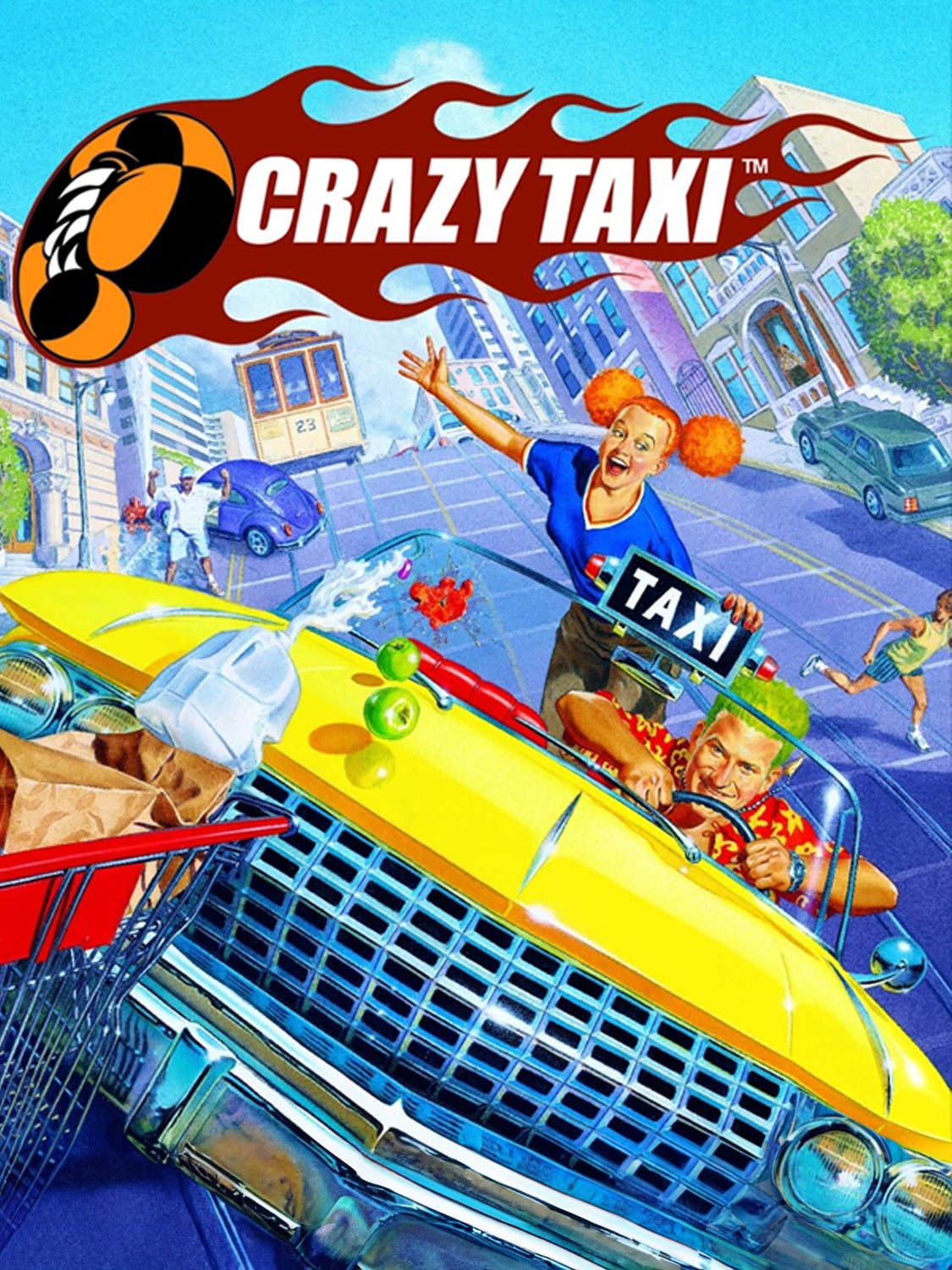
Instead, the studio seems to be leaning harder into recognisable series that already have strong fan memories, and that is usually the safer move. For players, especially people who remember arcades, Dreamcast days, or late-night gaming magazine scans, this is a lot more comforting than chasing a vague “metaverse-style” dream.
The original reporting from Eurogamer points to a shift in language and strategy rather than a total collapse of Sega’s ambitions. That matters, because Japanese game companies often reframe projects instead of shouting about cancellations. Sounds weird, but it’s true.
Crazy Taxi, Golden Axe, and Jet Set Radio are still moving
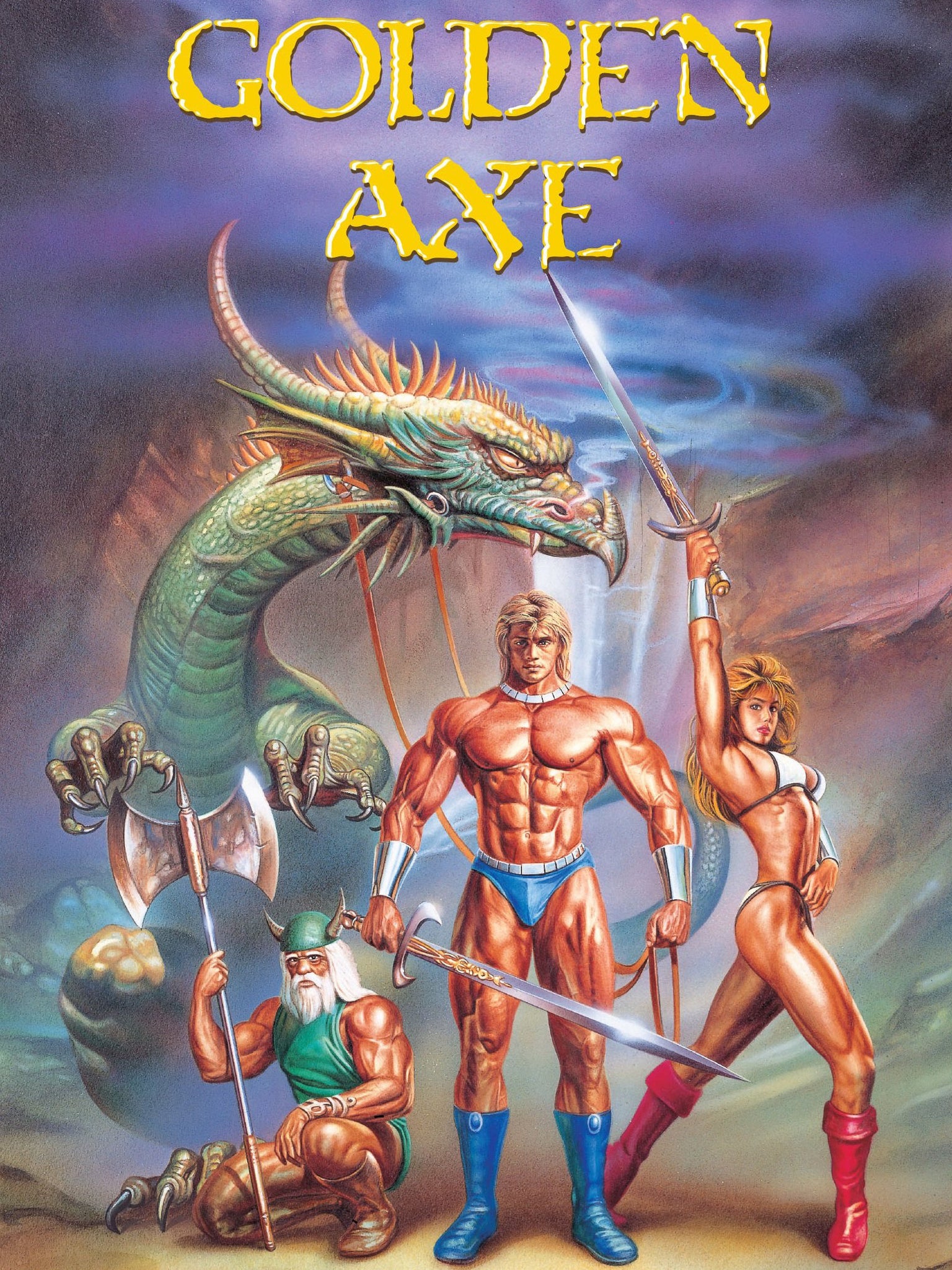
Here’s the deal: three names keep coming back, and they’re all big ones for different reasons. Crazy Taxi was originally released in arcades in 1999, then hit the Sega Dreamcast in 2000. Golden Axe goes even further back, with the 1989 arcade original, while Jet Set Radio arrived on Dreamcast in 2000 and became one of the system’s most stylish cult favourites.
These aren’t random old brands pulled out of storage. They each carry a very different kind of nostalgia, from the loud, speed-first chaos of Crazy Taxi to the sword-and-sorcery vibe of Golden Axe and the graffiti-heavy, music-driven attitude of Jet Set Radio. Compared to back home, where publishers often recycle one safe blockbuster over and over, SEGA is actually dusting off a small shelf of different moods.
Why these three matter so much
Crazy Taxi is pure arcade energy, and that is exactly why it still gets mentioned in fan conversations. Golden Axe has the old-school fantasy weight that fits modern remakes surprisingly well. Jet Set Radio, meanwhile, is the one that always makes style-conscious players grin, because its cel-shaded look and street culture identity still feel fresh, even after more than 20 years.
For Japanese learners, there’s a neat vocabulary angle here too. If you ever hear fans talk about 復活 (fukkatsu, revival; comeback) in Japanese gaming spaces, they mean a revival or comeback. That is basically what SEGA is trying to sell here, a fukkatsu of beloved series rather than a blank-slate experiment. From my experience, that word pops up a lot whenever old anime, toys, or games make a return. My verdict: it’s one of the most useful words to know if you follow Japanese pop culture closely.
What this means for SEGA fans and retro gaming
Let me show you why this news lands so well. SEGA has spent years living with the reputation of being the company of brilliant ideas that never quite stayed on track. That is unfair in some ways, but it comes from somewhere. Fans have seen beloved names teased, reimagined, then left in limbo for years.
This time, the signal feels clearer. By focusing on established IPs, SEGA is betting on recognition, not just novelty. For retro gaming fans, that is a big deal, because it suggests the company understands where its emotional value really lives. The first time I went to Japan, I noticed how much old game culture is treated with respect there, from retro arcades in Akihabara to tiny shops that still display Mega Drive cartridges like museum pieces. SEGA fits right into that mindset.
Before I forget, this also matters for collecting culture. When a classic series gets revived, the original games usually get a second life too, whether through ports, remasters, or renewed streaming discussion. That can push younger players back toward the 1990s catalogue, which is great news if you want to connect modern Japan fandom with the older history behind it.
SEGA's new direction and what could happen next
While we're at it, it is worth asking what “planned” really means here. Game development in Japan can stretch across years, and projects often shift teams, engines, and release windows. A title can be announced in one corporate phase and quietly reshaped in another, especially when the market changes and costs rise.
For example, if SEGA is serious about these revivals, the company may spread them across different formats. A Crazy Taxi release could lean into accessible action, Golden Axe might come back as a modern action game or remake, and Jet Set Radio could benefit from a visual style that keeps its personality intact. Highly recommended: SEGA should not over-polish Jet Set Radio into something generic, because its rough edges are part of the charm.
My tip: keep an eye on how SEGA talks about these brands over the next few months. In Japanese corporate language, the wording often tells you more than the headline. If the company starts using stronger terms like 再生 (saisei, rebirth; revival) for rebirth or fukkatsu for comeback, that is usually a sign the revival is becoming real rather than just nostalgic chatter. Convinced yet?
For Sega fans, this is not the end of the story, it’s the opposite. The grand Super Game idea may be fading into the background, but the classics are still standing, and that is where SEGA still has its strongest identity. If the company gets these revivals right, it could rebuild trust one series at a time, which is exactly how long-term fan loyalty works.
Want more Japan and gaming updates? Check out more Japan news on jpnerd.com.
Frequently Asked Questions
Did SEGA cancel Super Game?
Reporting suggests the company has stopped using the Super Game name, which points to a major rethink rather than a simple public update.
Are Crazy Taxi, Golden Axe, and Jet Set Radio still happening?
Yes, those classic series are still being planned, and they remain part of SEGA's revival strategy.
Why does this matter for retro gaming fans?
It shows that SEGA is focusing on brands with strong history, which usually leads to more interest in the original games as well.


