
Japan matcha exports are chasing a bigger audience
Guess what? Japan’s 抹茶 (matcha, powdered green tea) story is no longer only about tea bowls, temples, and quiet afternoons. At ICBS 2026 in Malaysia, starting on 7 May 2026, JMEX is stepping into a very different arena, the cafe and foodservice world, where matcha has become a menu item with serious commercial weight.
This matters because the export pitch has shifted. It’s not enough to sell matcha as a traditional Japanese powder anymore. Companies now want to position it as a flexible lifestyle product, something that can live in a latte, a dessert, a ready-to-drink bottle, or a premium cafe ritual. On the flip side, that also means Japan has to compete with a fast-growing global market where quality, colour, aroma, and consistency really do matter. But that’s not all.
JMEX at ICBS 2026 in Malaysia: why this event matters
Ever wondered why a cafe fair in Malaysia is the right place for Japanese matcha exporters? Simple, really. Malaysia sits at the crossroads of Southeast Asian food trends, and ICBS, the International Cafe and Beverage Show, is exactly where buyers, distributors, roasters, and cafe brands go to spot the next big thing.
JMEX, short for Japan Matcha Export Association, is using that setting to make direct business connections. Instead of waiting for consumers to discover matcha one sip at a time, the goal is to place Japanese producers in front of the people who decide what ends up on cafe menus, retail shelves, and product development roadmaps. Seriously though, that’s a huge difference.
What JMEX is really selling
What many overlook is that matcha exports are not just about powder in a tin. JMEX is promoting a whole value chain, from cultivation and grinding standards to packaging, freshness, and how matcha performs in modern drinks. In export terms, that means the product has to deliver both authenticity and practicality.
Think about it. A cafe owner in Kuala Lumpur doesn’t just want “Japanese” on the menu. They want colour that pops in photos, a flavour that balances milk, and a supplier that can keep quality stable across multiple orders. Basically, the product has to work in the real world, not only in a tea ceremony context.
And it gets better: this is where Japan’s reputation helps enormously. When consumers see Japanese matcha, they often expect clean taste, careful production, and premium branding. JMEX is leaning into that trust, and that’s a big reason why events like ICBS matter so much. Not bad, right?
Matcha as a lifestyle product, not just a beverage
Unlike what we’re used to with older export categories, matcha has become a branding tool. In Japan, the word お茶 (ocha, tea) usually suggests calm, everyday drinking, but overseas matcha often signals energy, wellness, and a bit of aspirational cafe culture. That’s a clever shift, and it’s one Japanese exporters are clearly using to their advantage.
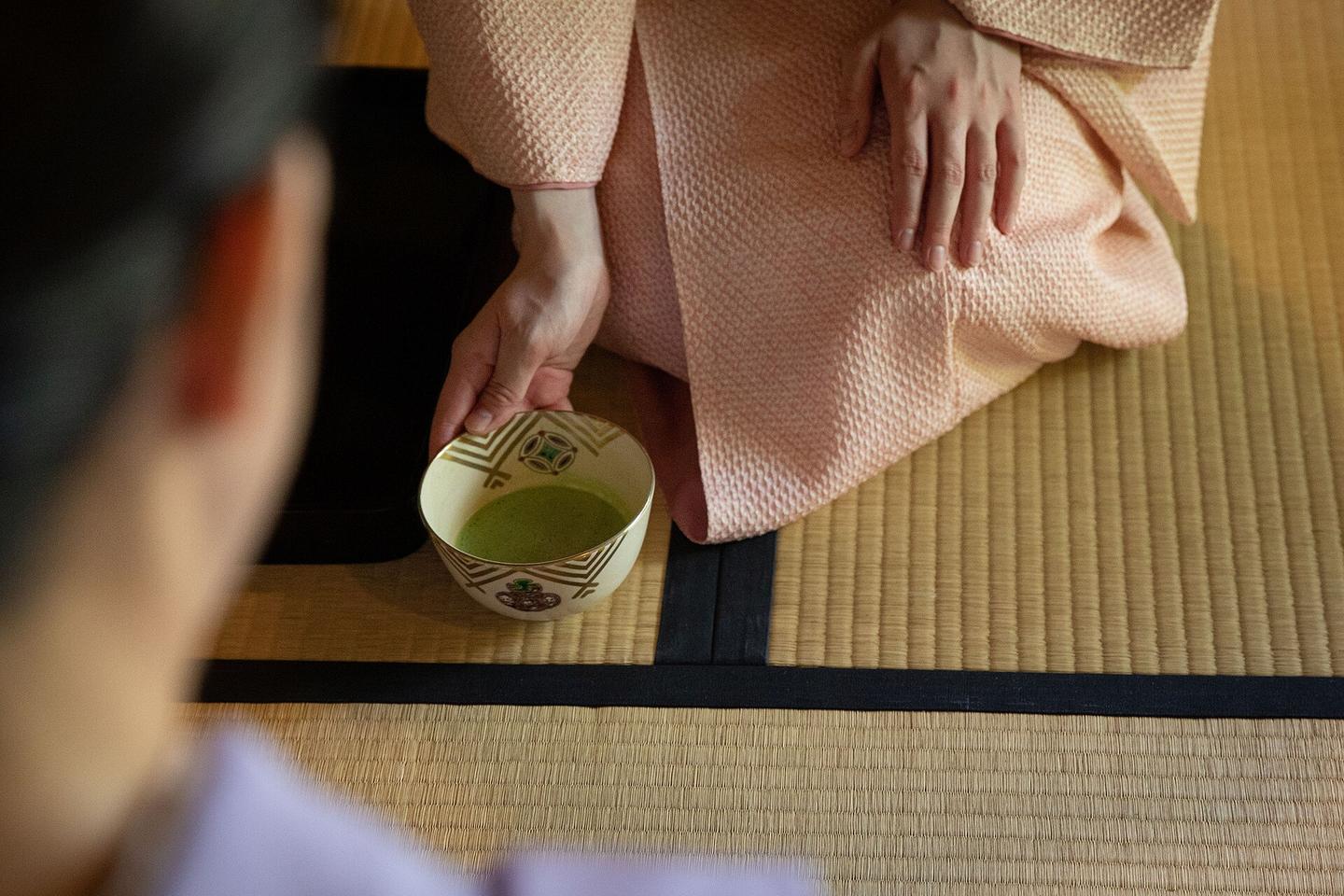
Imagine a narrow alley in Tokyo. A tiny cafe serves a perfectly whisked 薄茶 (usucha, thin tea (tea ceremony tea)), and the experience feels almost meditative. Now jump to a bright modern cafe in Southeast Asia, where matcha is poured over ice, blended into a frappé, or mixed into a strawberry drink for Instagram. Same ingredient, different cultural framing. What many overlook is that this flexibility is exactly what makes matcha such a powerful export story.
Why Southeast Asia is a smart target
Malaysia is especially interesting because cafe culture there is energetic, youth-driven, and open to new flavours. Matcha fits that environment well, because it can be both familiar and premium at the same time. If a drink looks beautiful and tastes balanced, it can spread fast through social media, which is basically free marketing for exporters.
My tip: if you’re a Japanese learner, keep an eye on food-industry vocabulary when reading this kind of news. Words like export, distributor, beverage, and premium come up often, and they’re useful beyond this one story. You’ll also notice how often Japanese business coverage uses terms like brand image and market expansion, which are worth learning in context. Highly recommended: read these stories like a language lesson and a trade report at the same time.
What this means for Japan fans and Japanese learners
Know that feeling when a familiar Japanese item suddenly turns up everywhere abroad? That’s matcha right now. For Japan fans, it’s a reminder that food culture travels fast, but it also changes shape as it moves. For learners, that’s a great reminder that Japanese culture isn’t only history and festivals, it’s also modern business, export strategy, and global lifestyle branding.
On the flip side, there’s a useful lesson here about how Japan presents itself internationally. The country doesn’t just export products, it exports narratives, whether that’s craftsmanship, seasonality, or quiet luxury. Matcha is a perfect example, because it carries tradition, but it also fits trendy cafe menus and health-conscious lifestyles.
Oh, almost forgot: if you read Japanese news about food and trade, you’ll often see the idea of ものづくり (mono-zukuri, craftsmanship; making things), careful making, even when the story is about something as modern as a cafe beverage. That tension between old and new is part of what makes Japan’s food scene so compelling. Personally, that’s one of the reasons I never get bored following Japanese export news. Wait, there’s more.
As JMEX heads to ICBS 2026 on 7 May 2026, it’s clear that matcha is no longer just a tea category. It’s a global product with branding power, cafe appeal, and plenty of room to grow. And if Japan keeps pairing quality with smart international marketing, this green powder may stay one of its strongest culinary ambassadors for years to come. But that’s not all.
Frequently Asked Questions
What is JMEX?
JMEX is the organisation promoting Japanese matcha exports at ICBS 2026 in Malaysia.
When does ICBS 2026 start?
The event starts on 7 May 2026.
Why is matcha important in export markets?
Matcha is popular as both a traditional Japanese ingredient and a modern lifestyle product for cafes and retail.


