And yes, this is the sort of onsen stop that serious bath lovers keep track of, right down to a 427th bath visit note. If you like your travel with a little steam, a little history, and a lot of atmosphere, this one’s worth your attention.
Himekawa Onsen in Nagano: a quiet bath stop with real mountain character
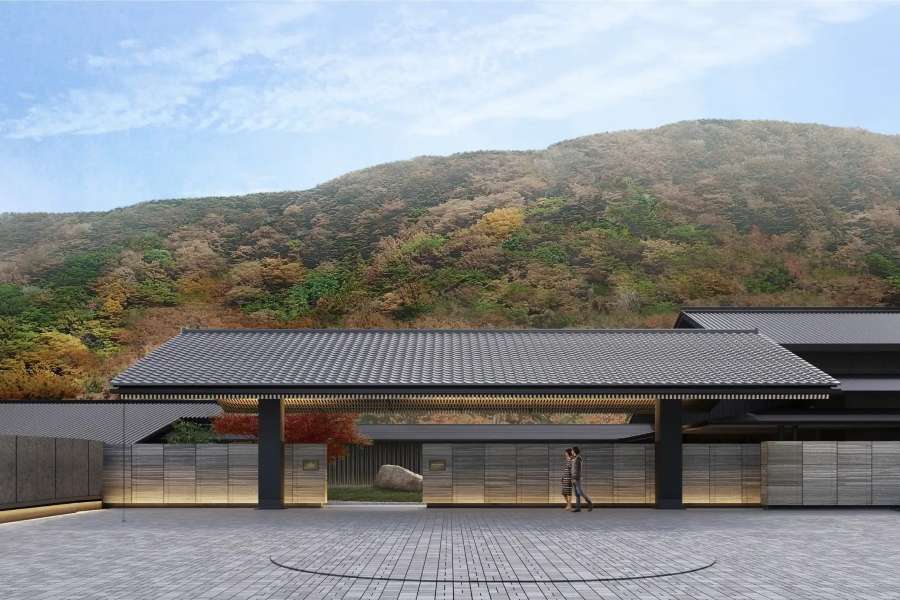
Himekawa Onsen sits in Nagano Prefecture, in the Himekawa River valley, an area that feels built for slow travel. The scenery is all crisp air, layered mountains, and that slightly remote feeling you only get when you’ve left the main tourist flow behind. For onsen fans, that matters. The setting isn’t just decoration, it shapes the whole experience.
The best part is that this kind of place doesn’t try to impress you with scale. It wins you over with mood, water, and the sense that you’ve found a bath with a real local rhythm. Let’s be honest: in Japan, a good onsen is often less about luxury and more about how completely it resets your head. Sounds good, right?
Hakubaso ryokan and the charm of staying overnight
By the way, the accommodation side of this visit is just as important as the bath itself. Hakubaso, written as Hakubaso in romaji, is the ryokan connected to this Himekawa-area stay, and that changes the whole pace of the trip. A ryokan isn’t just a place to sleep, it’s part of the onsen story, with 布団 (futon, Japanese bedding / mattress) bedding, shared spaces, and the quiet order that makes Japanese travel feel so distinctive.
Why an overnight stay makes sense
Unlike a quick day trip, staying overnight lets you experience the bath at a better rhythm, usually once in the evening and again in the morning. That means you can feel the temperature difference, the stillness of the night, and the way a mountain lodge settles after dark. What I especially like is that this is where the word ryokan really earns its meaning, because the atmosphere does half the work for you. Simply brilliant.
On a related note, for Japanese learners, this is a nice moment to notice words like onsen, ryokan, and 浴衣 (yukata, light cotton kimono). You’ll hear these all over travel blogs, station signs, and booking pages, so learning them early makes your Japan trips much easier to read and plan. Not bad, right?
427th bath visit, or why bath counting says a lot about onsen culture
Did you know that some onsen fans keep detailed counts of their bath visits, almost like a travel diary with steam? The 427th bath visit, noted as 427-yuume, is a small but telling detail, because it shows how seriously many people approach hot-spring travel in Japan. This isn’t just casual sightseeing, it’s a hobby with memory, repetition, and a strong sense of place.
The reason is simple: once you start visiting many onsens, each one becomes comparable. Water quality, building style, view, smell, temperature, and even the walk from the room to the bath all start to matter. For a Japan fan, that kind of deep attention is part of the fun. From my experience, the best onsen stories are rarely about big famous resorts, they’re about individual baths that stay in your mind.



What the Himekawa region feels like on the ground
Imagine a narrow alley in Tokyo. Now replace the noise with mountain quiet, colder air, and a river valley that feels far more spacious than urban Japan. That contrast is exactly why places like Himekawa Onsen stand out. The surrounding region gives the bath its calm, and the bath gives the region a reason to linger.
The first time I went to Japan, I was surprised by how often travel became a full-body experience rather than just a sightseeing schedule. Hot water, wooden interiors, slippers at the entrance, dinner timing, morning light, it all works together. In Himekawa, that layered feeling seems especially strong, because the landscape itself encourages slower breathing and slower steps. Convinced yet?
For visitors who care about Japanese culture, this is also a good place to think about how onsen travel fits into everyday life. It’s not a theme park version of Japan. It’s practical, seasonal, and rooted in local habit. That makes it a great learning case for people who want more than postcard Japan. This is my absolute hidden gem!
Practical travel notes for Japan fans and language learners
Let me show you why this stop works well for both travellers and learners. If you’re studying Japanese, onsen-related trips give you real-life vocabulary in context, from 懐石料理 (kaiseki, multi-course Japanese meal) dinner to 露天風呂 (rotenburo, open-air bath), from check-in routines to bathhouse etiquette. You don’t just memorise the words, you connect them to a place, a smell, and a feeling.
My tip: if you’re planning an onsen route in Nagano, build in one overnight stay instead of rushing through. You’ll get a better sense of the water, better rest, and a more complete picture of mountain hospitality. And if you’re reading Japanese travel posts to practise, pay attention to how often writers mention the room, the bath, and the surrounding landscape together. That combination tells you a lot about the priorities of Japanese travel writing. Sounds good, right?
For more Japan-focused reading on jpnerd.com, see more Japan news on jpnerd.com.
Frequently Asked Questions
Where is Himekawa Onsen located?
It is in Nagano Prefecture, in the Himekawa Valley area.
Why do people stay overnight at a ryokan like Hakubaso?
Because it lets you enjoy the bath, the meals, and the atmosphere at a slower pace.
What does the 427th bath visit note mean?
It is a personal tracking detail that shows how some bath lovers record their onsen experiences.