
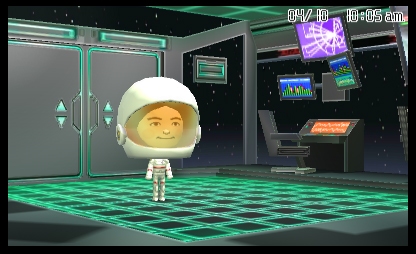
No exaggeration: if you like game design stories, Nintendo history, or just watching Miis behave like tiny drama kings, this is a very fun read. There’s also plenty here for Japanese language learners, especially if you enjoy picking up game-related vocabulary like mii, 拡大 (kakudai, enlargement; expansion), and 趣味 (shumi, hobby) in context.
![Dragon Ball Z: Kakarot [Master Edition]](https://s.pacn.ws/1/p/1eh/dragon-ball-z-kakarot-master-edition-908785.1.jpg?v=t8ja8t&width=400)

Tomodachi Life in Ask the Developer Vol. 21
友達 (tomodachi, friend) Life has always been one of those Nintendo titles that feels impossible to explain cleanly, and that’s part of its charm. The game first launched in Japan for Nintendo 3DS in 2013 as Tomodachi Collection: Shin 生活 (seikatsu, life; daily life) style chaos, then reached the West in 2014 as Tomodachi Life. The new Ask the Developer Vol. 21 feature, especially Part 3, gives fans a closer look at how Nintendo handled that strange balance of structure and randomness.

Here’s the deal: Tomodachi Life isn’t just a “Mii simulator”, it’s a carefully tuned comedy machine. Nintendo’s developers talk about the systems behind daily life on the island, from relationship events to food preferences, and that matters because the game’s humour comes from letting simple rules collide in unexpected ways. Wild, isn’t it? That’s why people still remember it so vividly more than a decade later.
Tomodachi Life: Living the Dream, Part 3
Part 3 of Tomodachi Life: Living the Dream is the kind of developer commentary that fans love because it doesn’t just repeat old marketing points. It digs into the personality-first design that made Miis feel like more than avatars. What most people don't know is that the series was always about observing, not controlling, and that subtle difference is what gives the game its weird emotional pull.

The Mii madness is the point
Unlike what we’re used to in many life sims, Tomodachi Life doesn’t ask you to micromanage every second. You set up the island, create residents, and then watch. Miis sing, fight, dream, make awkward confessions, and act in ways that feel part sitcom, part fever dream. Hand on heart, that passive, watchful design is exactly why the game stayed a fan favourite, because every session can turn into a new story.
My tip: if you’re a Japanese learner, this is a great game to pay attention to because the series is full of everyday words and social situations. Terms like seikatsu (life), 夢 (yume, dream) (dream), 悩み事 (nayamigoto, worry; problem) (worry), and tomodachi (friend) show up naturally in a way that sticks better than flashcards. When a game turns language into a setting, it’s easier to remember. Not bad, right?
Why this Nintendo deep dive matters to fans
While we're at it, Nintendo’s developer interviews are often more revealing than official trailers. They show how an idea evolved, what got cut, and why certain odd decisions survived all the way to release. For a game like Tomodachi Life, that context is gold, because the whole experience depends on tiny, deliberate choices that look random from the outside.

There’s also a nostalgia factor here that hits hard. Tomodachi Life became a social phenomenon in some regions because players shared absurd island stories, celebrity Miis, and bizarre dream sequences online. It was one of those games that turned players into storytellers, long before short-form clips made that behaviour even more common. On a related note, the game’s community energy still lives on in fan discussions, memes, and “what if Nintendo makes another one?” wish lists.
What the interview format adds
Trust me on this one: the Ask the Developer series works because it treats game creation like a conversation, not a lecture. Nintendo lets multiple team members explain different parts of development, so you get design intent, technical trade-offs, and a bit of personality too. That makes the article useful for readers who care about how games are built, not just what they look like on the box.
For Japan fans, there’s an added cultural layer. Nintendo’s tone here is very Japanese in the best sense, calm, precise, and oddly playful at the same time. That mix is also why games like Tomodachi Life travel well: the humour is universal, but the framing still feels distinctly Nintendo. Wait, there's more.

What jpnerd readers should watch for next
By the way, if Nintendo ever returns to this format with a new Tomodachi Life project, fans will be watching closely. The original game ran on Nintendo 3DS hardware, and that handheld-era intimacy helped make the island feel personal. A modern follow-up would have to preserve that same offbeat spirit without turning the whole thing into a generic social sim.
What I especially like is that this new developer insight doesn’t over-explain the magic, it just shows enough of the gears to make you appreciate them. That’s the sweet spot for both Nintendo fans and Japanese language learners. You get a better sense of how game concepts are discussed, how a simple word like tomodachi can anchor an entire brand, and why some games stick with people for years. My verdict: more of this, please.
For more game and culture coverage, check out more Japan news on jpnerd.com.
In pictures


Frequently Asked Questions
What is Ask the Developer?
It is Nintendo’s official interview series about game development, with staff explaining design choices and production details.
Why do fans care so much about Tomodachi Life?
Because it turned simple Mii interactions into memorable stories, and its odd humour made it stand out from other life simulation games.
Is this useful for Japanese learners?
Yes. It connects everyday vocabulary, social situations, and game-related context in a way that feels natural and memorable.


