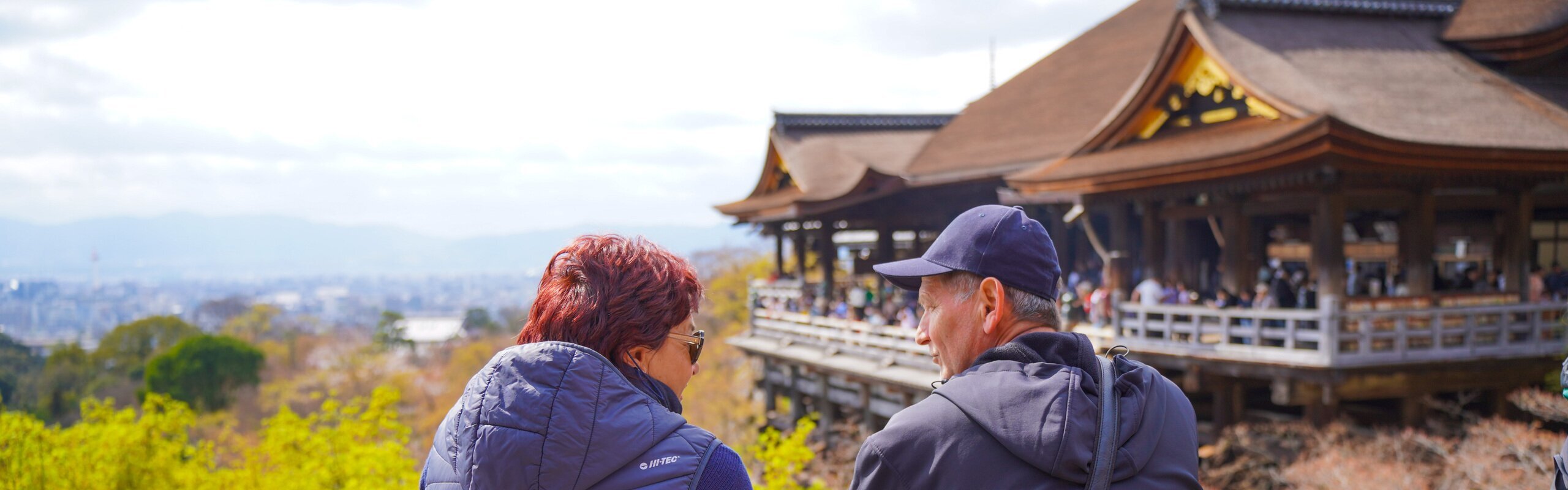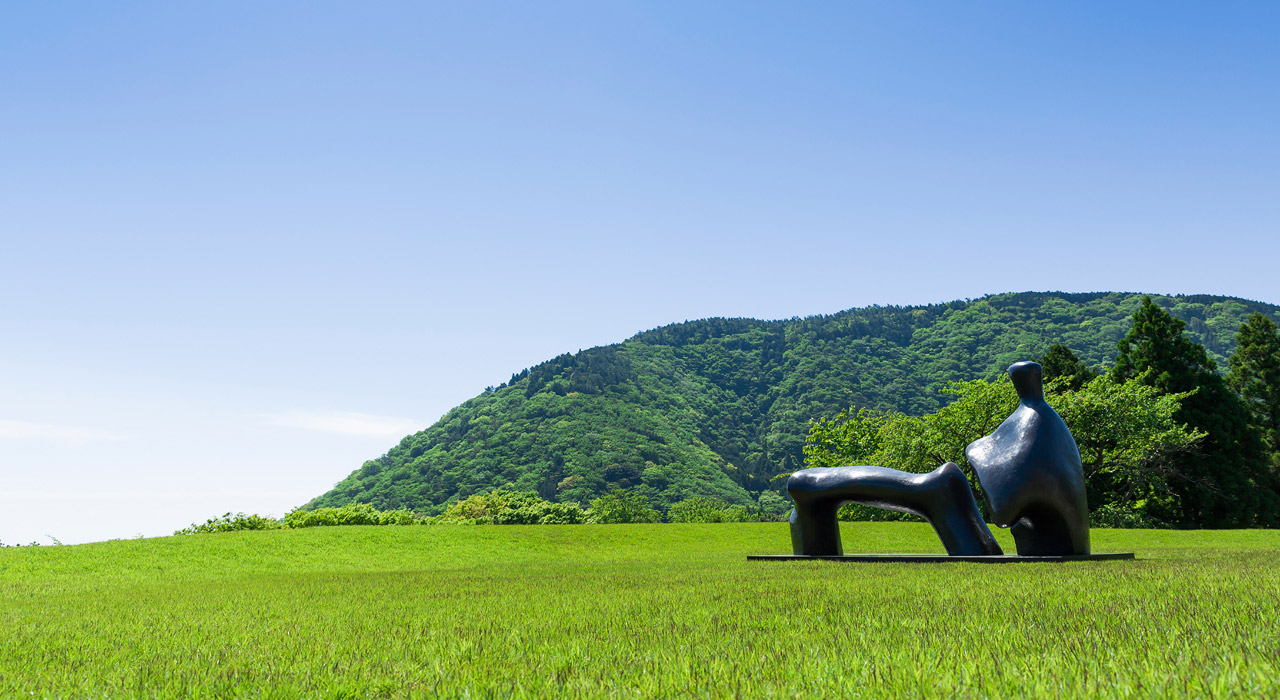
Hakone already has that easy-going onsen-town energy, and eating on 畳 (Tatami, woven mat flooring) mats adds a calm, old-school layer to the experience. It’s simple, memorable, and very Japan, in the best possible way.



Why Hakone works so well for a tatami meal
Hakone is one of the easiest places in Japan to slow down. It’s famous for hot springs, lake views, mountain air, and that classic ryokan mood, but it also has a surprisingly strong food scene for travellers who want something beyond chain restaurants.
Compared with back home, a meal here feels less rushed from the second you step inside. Shoes off, lower your voice, sit down on tatami mats, and suddenly lunch feels like part of the trip instead of just fuel for the next stop. My tip: if you’re already spending a day around Lake Ashi, Hakone-Yumoto, or the ropeway area, plan your meal like an attraction, not an afterthought.
On a related note, Hakone is close enough to Tokyo for a day trip, but it rewards slower travellers much more. That’s why tatami restaurants fit so naturally here, they match the pace of the town. See what I mean?
Eating on tatami mats: what makes it special
Let me show you why this setup feels different. Tatami floors change the whole rhythm of dining, because you’re sitting low, often on 座布団 (zabuton, floor cushion) cushions, and you’re more aware of the room, the table, and even the sounds around you. It’s not fancy in a loud way, it’s quiet, thoughtful, and very Japanese in spirit.
What to expect inside
Most tatami-style places in Hakone are designed for a relaxed lunch or an unhurried dinner. You might see sliding doors, low tables, and a menu built around local ingredients like 蕎麦 (soba, buckwheat noodles), 湯葉 (yuba, tofu skin), fresh fish, or seasonal set meals. Some spots will also serve 抹茶 (matcha, powdered green tea) desserts or simple sweets that make a perfect ending to the meal.
Seriously though, if you’ve never eaten this way before, the first few minutes can feel awkward, especially if your legs aren’t used to sitting low. Don’t worry, that passes fast. To be fair, the charm is worth it, and the setting does most of the work for you. My verdict:
Japanese learning connection
For Japanese learners, this is a great real-life vocabulary moment. Words like tatami, ryokan, 定食 (teishoku, set meal), soba, yuba, and おもてなし (omotenashi, hospitality) come up naturally in this kind of setting. You’re not memorising them from a textbook, you’re seeing how they’re used in context, which makes them stick much better.
For example, if a menu says teishoku, you can usually expect a set meal with rice, soup, and side dishes. If the restaurant is inside a ryokan or near one, the mood may feel more traditional than a normal cafe. Wild, isn't it?



A hidden-gem style meal in Hakone for Japan fans
Take a place like this, for instance. It’s not trying to be flashy, and that’s exactly why it works. The appeal is in the atmosphere, the pacing, and the fact that it feels like a spot locals and in-the-know travellers would happily return to.
What I especially like: tatami dining gives you a travel memory that’s more tactile than a standard restaurant stop. You remember the feel of the mat, the low table, the careful plating, and the quiet around you. If you’re collecting Japan food content for your next trip, this is the kind of scene that makes people want to save the post immediately.
No joke: Hakone has plenty of polished hotel dining rooms, but a tatami-local meal feels more personal. It’s a better fit if you like finding places with character rather than just famous names. Highly recommended:
How to find the exact address and keep the trip easy
Ever wondered why some of the best Japan spots are the hardest to pin down from a short video? This is one of those times. The location in Hakone matters, but the exact address can be tricky to confirm from a clip alone, especially when the place isn’t built around heavy promotion.
My tip: send a direct message to the creator for the address before you go. That’s the easiest way to avoid wasting time searching, and it helps keep the discovery feel intact. If you’re planning a Hakone food stop around a specific train route, hotel, or sightseeing area, getting the location in advance can save you a lot of backtracking.
On the flip side, not every good meal needs a glossy website or big English-language profile. Some of the best Japan travel finds still travel by word of mouth, DMs, and saved posts. From my experience...
If you’re building a Japan food itinerary, this type of place pairs well with a slow morning at an onsen, a lake-side walk, or a short museum stop. That mix of travel and local dining is exactly why Hakone stays such a strong recommendation for Japan fans.
Frequently Asked Questions
Is tatami dining common in Hakone?
Yes, it is fairly common in traditional restaurants, ryokan dining rooms, and small local eateries.
Do I need to remove my shoes?
Usually yes, if the dining area uses tatami mats.
How can I find the exact place?
The easiest option is to send a direct message to the creator and ask for the address.