Shinjuku to Hakone, why the Romancecar looks confusing at first
Know that feeling when you open a train booking page and suddenly there are three different fares, two station names, and a seat map that looks like it belongs on a flight? That’s exactly how many first-time visitors feel with the Romancecar from Shinjuku to Hakone. The reason is simple: you’re not just buying a train ride, you’re often comparing a limited express reservation, a base fare, and sometimes a separate Hakone pass.



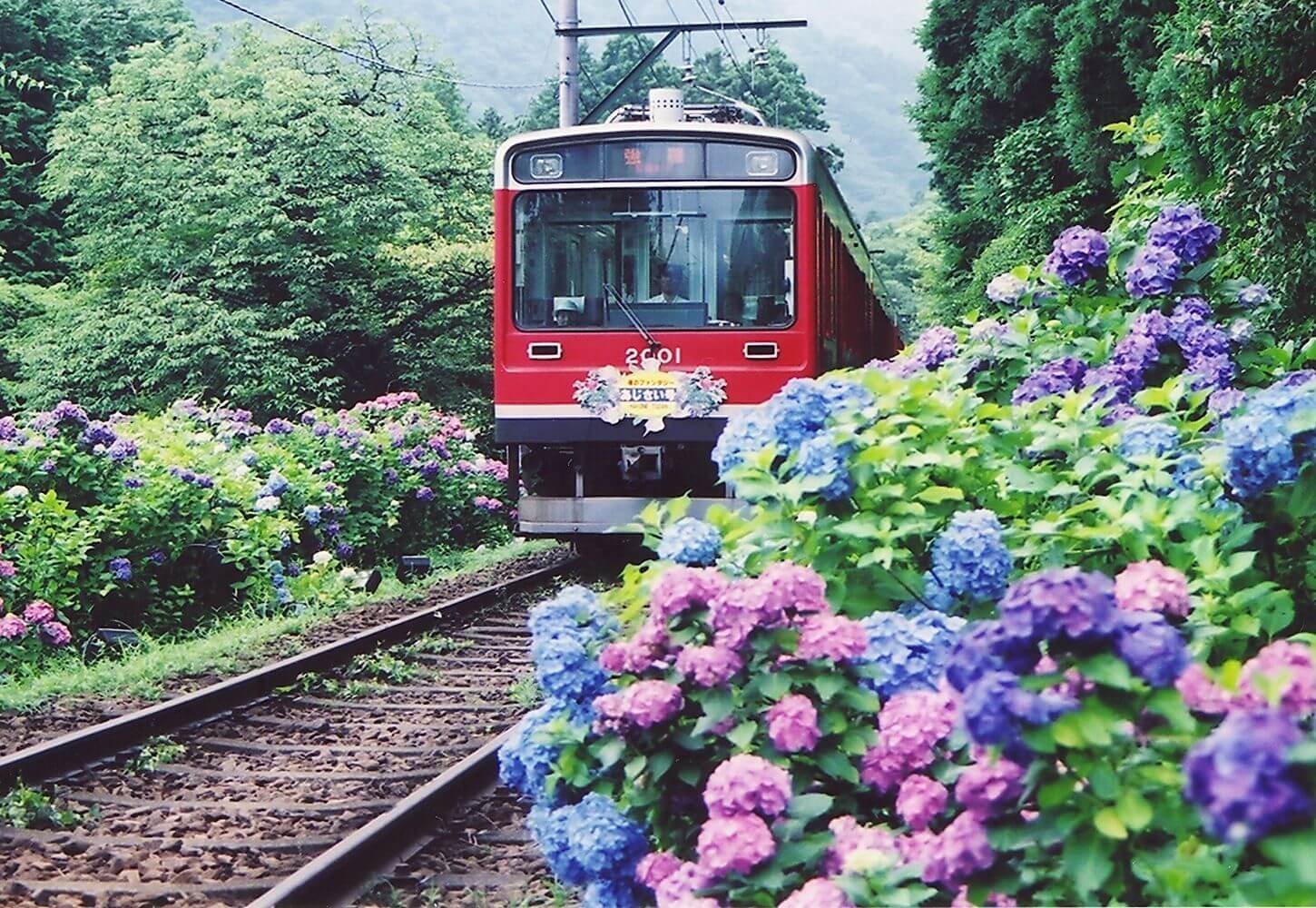
The Romancecar is a limited express operated by Odakyu Railway, and the most common route for visitors starts at Shinjuku Station in Tokyo and ends around Hakone-Yumoto, which is the gateway town for the Hakone area. On a normal trip, the journey takes about 80 to 90 minutes depending on the service. That’s fast enough to make Hakone a realistic day trip, yet still easy enough to use for an overnight stay.
Picture this: you’ve got your suitcase, your coffee, and your first onsen getaway planned, but the booking page asks whether you want a seat reservation only or a ticket plus seat reservation. Trust me on this one, once you know the difference, the whole thing gets much less stressful. From my experience, this is the exact moment where first-time Japan travellers either overpay or accidentally book the wrong thing.
How Romancecar booking actually works
There are usually two parts to the trip. First, there’s the basic rail fare, which covers the distance on Odakyu lines. Second, there’s the limited express surcharge for the Romancecar itself, which gives you the reserved seat and the faster, more comfortable service. If you’re using a digital booking site, these parts may be shown together or separately, and that is where the confusion starts.
A great example: if you buy a Hakone Freepass, that pass can cover parts of the Odakyu route and many local transport options in the Hakone area, but it doesn’t always include the Romancecar seat reservation. In many cases, you still need to pay extra for the limited express seat. To be fair, this is pretty normal in Japan. Reserved-seat services and area passes often mix, but they’re not the same product.
What you need for a smooth first booking
At minimum, check four things before paying: your departure station, your destination station, the train time, and whether your seat is reserved. If you’re leaving from Shinjuku, make sure the service actually departs from Odakyu's Shinjuku Station, not a different rail operator's platform nearby. That sounds obvious, but Tokyo station names can be sneaky the first time.
Also check whether your chosen Romancecar stops at Hakone-Yumoto. Some services continue beyond it, while others are better suited for different travel plans. Wild, isn’t it? One extra stop can change your whole day if you’re trying to catch a ryokan check-in or a guided tour. But let’s stick with the standard Shinjuku to Hakone flow for now.
Shinjuku to Hakone for first-time visitors
Guess what? The easiest setup for many first-time visitors is this: book the Romancecar from Shinjuku to Hakone-Yumoto, then use local buses, cable cars, and ropeways once you arrive. This keeps the long-distance part simple and lets you enjoy Hakone's scenery without worrying about train transfers in Tokyo.
If you’re staying overnight, the Romancecar is especially handy because it cuts down on transfer fatigue. If you’re doing a day trip, it can still be worth it, but only if you leave early. My tip: aim for a morning departure from Shinjuku, because Hakone is one of those places where a late start can make the day feel rushed very quickly.
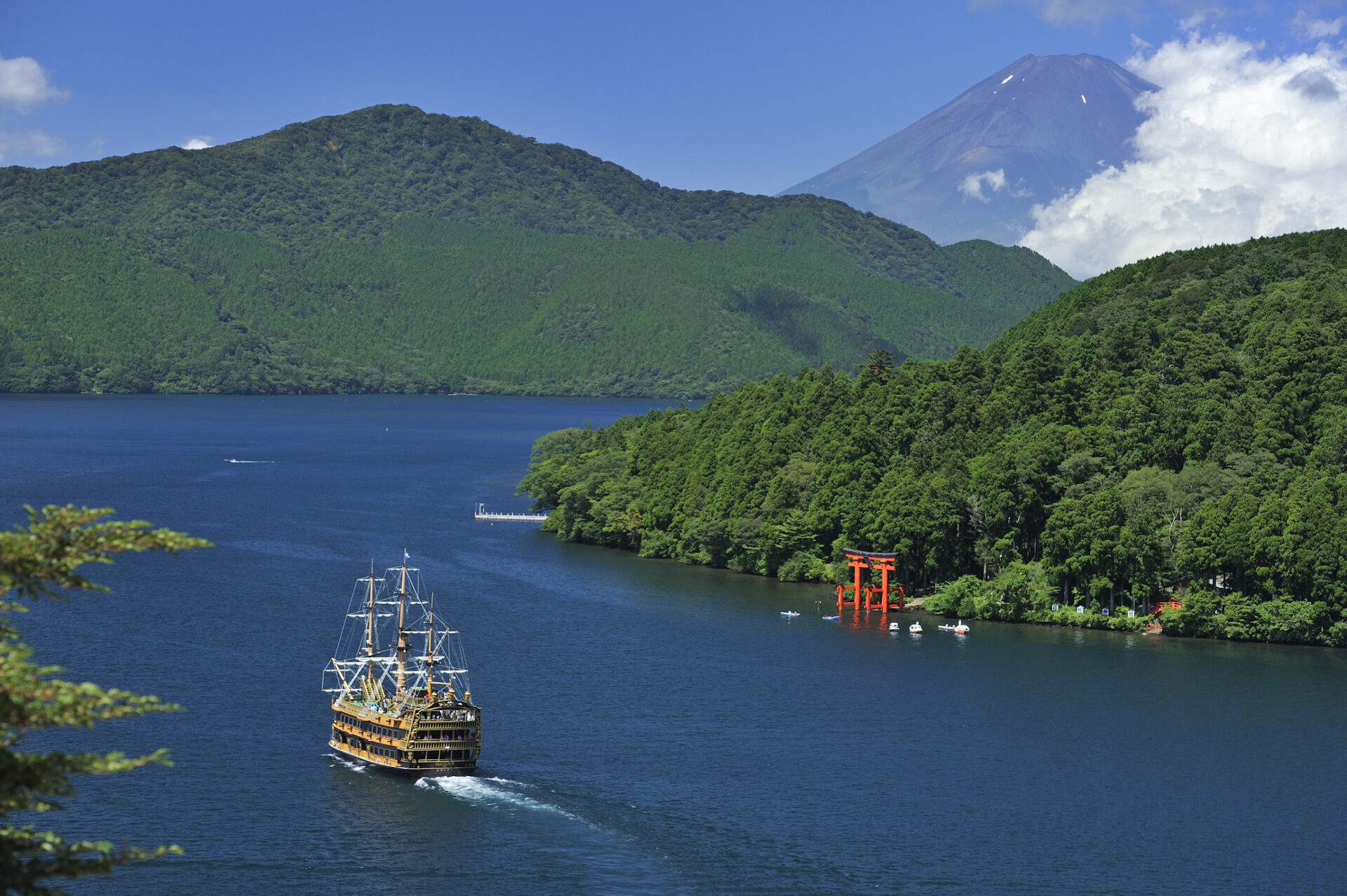
On a related note, many Japan fans like Hakone because it combines mountain views, hot spring culture, and art museums in one area. The Hakone Open-Air Museum opened in 1969, and the region is also known for views of Mount Fuji when the weather cooperates. That mix of transport, nature, and culture is part of why the Romancecar gets talked about so much in travel forums.



Seat choice and comfort
If you have the option, choose a window seat. The ride out of Tokyo is not always dramatic right away, but the journey gets more pleasant as the urban edge gives way to greener scenery. Some Romancecar services use distinctive modern train sets, and the interior is far more comfortable than a standard commuter train. Not bad, right?
For Japanese language learners, this is also a nice chance to spot travel words in romaji before your trip. Terms like 指定席 (shitei seki) for reserved seat, 出発 (shuppatsu) for departure, and 切符 (kippu) for ticket show up often on booking pages. You don’t need to memorise them all, but recognising a few can make Japanese train sites feel much less intimidating. Personally, that little bit of language confidence makes travel smoother.
Booking tips, mistakes to avoid, and what I like best
To make the whole thing easier, book as early as you can if you want a specific departure time, especially on weekends or holiday periods. Even though the Romancecar is a normal part of the Odakyu network, popular morning and afternoon slots can fill up. If you’re travelling during cherry blossom season or autumn foliage season, seats can go faster than you expect.
One mistake I see again and again is confusing the Romancecar reservation with the Hakone Freepass. They’re related, but they solve different problems. The pass helps with broader area transport, while the Romancecar gives you a direct and comfortable long-distance ride from Shinjuku. If you only need one way on the limited express, don’t assume the pass already covers the seat fee.
What I especially like is how the Romancecar turns the trip itself into part of the experience. Instead of treating transport as dead time, you get a proper seat, a bit of breathing room, and a clean route into one of Japan's most popular hot spring areas. For a first-timer, that matters more than it sounds. From my experience, a simple and well-booked train ride can set the tone for the whole Hakone trip.
Insider tip: if you’re still unsure, check both the Odakyu reservation page and a detailed travel discussion like the original Reddit thread plus forums such as r/JapanTravel. Reading a few real traveller questions often clears up the fuzzy parts faster than a generic guide. But that’s not all. Once you understand the booking split, the Romancecar stops feeling like a puzzle and starts feeling like a very easy win.
While we're at it, if Hakone is part of a bigger Japan trip, keep an eye on transport connections from Tokyo before you commit to your dates. A bit of planning now can save you from standing on a platform later, wondering whether your ticket covers the ride you thought you booked. Personally, I think that is the difference between a stressful first visit and a smooth one.
For more travel and Japan culture updates, see more Japan news on jpnerd.com.
In pictures
Frequently Asked Questions
Do I need to book the Romancecar in advance?
Yes, booking in advance is smart if you want a specific time or a weekend seat.
Is the Romancecar the fastest way from Shinjuku to Hakone?
It is one of the easiest and most comfortable direct options, especially for first-time visitors.
Can I use a Hakone area pass on the Romancecar?
Often the pass helps with parts of the trip, but you may still need to pay for the reserved seat.