
If you collect Nendoroids, this is the kind of tie-in that can disappear fast. For Japanese language learners, it’s also a neat reminder of how often pop culture, merch drops, and fandom vocabulary overlap in Japan.


Nendoroid Face Maker and Shuichi Saihara: a collector collab worth watching
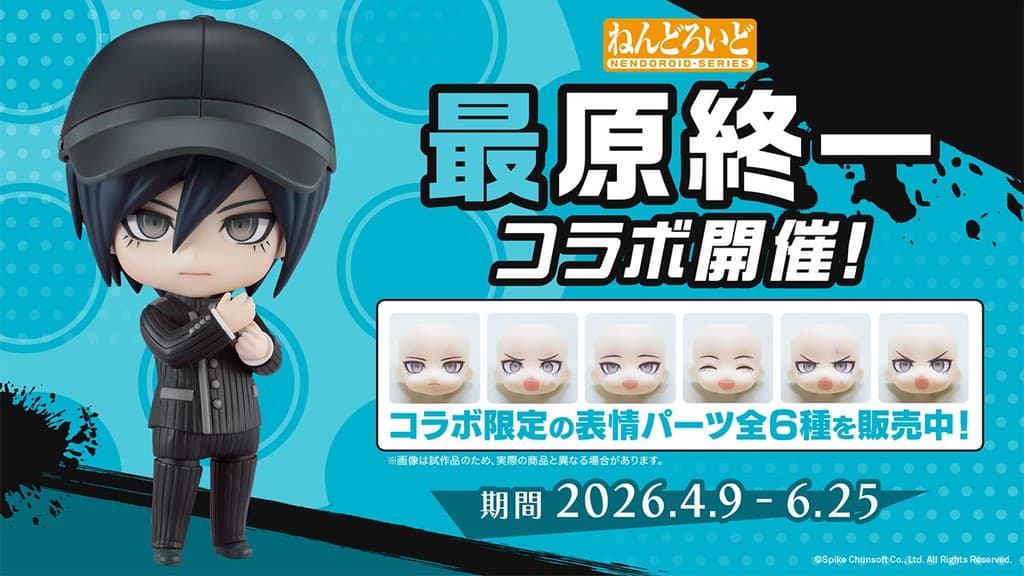
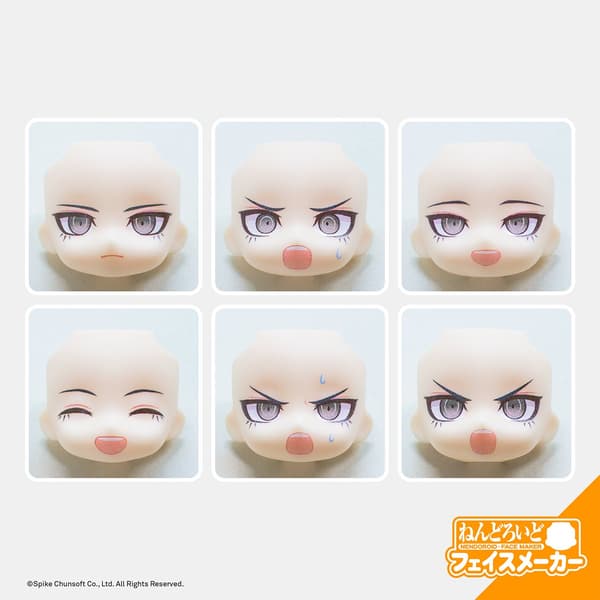
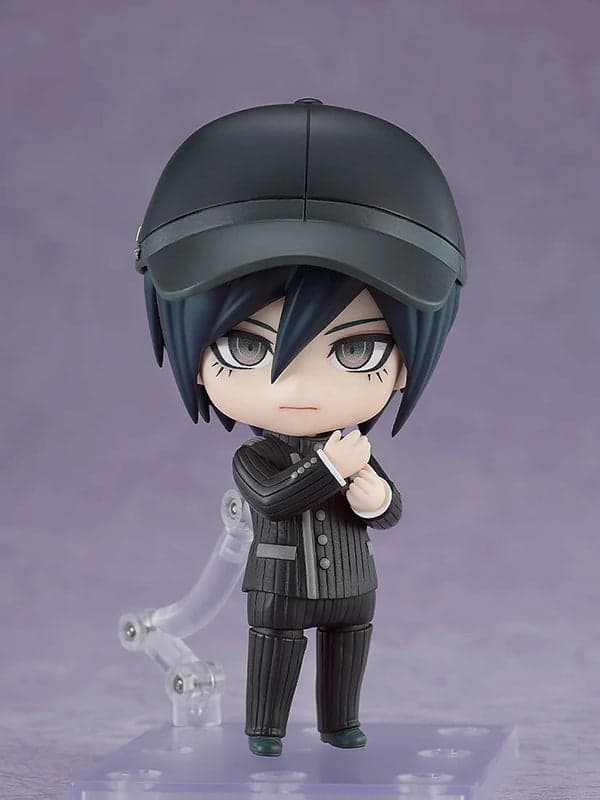
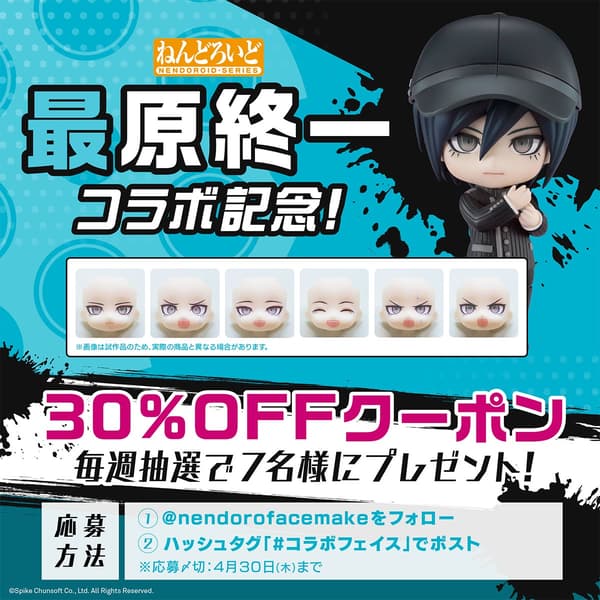
Plot twist: this isn’t just another cute figure announcement. The new collaboration brings Nendoroid Face Maker together with Shuichi Saihara, one of the most recognisable characters from Danganronpa V3: Killing Harmony, and the focus is squarely on face parts rather than a full new body release. That makes the drop especially interesting for collectors who already own a ねんどろいど (Nendoroid, figure line) set and want to customise it without buying a completely separate figure.
For anyone who hasn’t followed the line closely, Nendoroid is Good Smile Company’s long-running ちび (chibi, small; cute, stylized miniature) figure series, launched in 2006 and built around swap-out parts, expressive faces, and a ton of character-specific accessories. Face Maker fits that spirit perfectly, because it leans into one of the biggest reasons people buy Nendoroids in the first place: mix-and-match fun. Classic Japan, isn't it?
What the Shuichi Saihara release includes
Here’s the deal: the collab centres on six exclusive face-part sets tied to Shuichi Saihara. That number matters, because face parts are what often make a Nendoroid feel alive on a shelf. A slight smirk, a worried stare, or a dramatic shout can completely change the mood of a display, especially for a character like Shuichi, whose appeal comes from his nervous energy and detective-style seriousness.
What many overlook is that these kinds of face-piece packs are not just decoration. They’re one of the main reasons Nendoroid collecting becomes a hobby instead of a one-and-done purchase. A collector can keep one body and rotate expressions depending on the scene they want to create. That means this collab isn’t only for Danganronpa fans, it also speaks to people who enjoy posing, photographing, and reimagining their figures over time.
Why six faces is a smart number
Six is a good middle ground. It gives collectors variety without feeling random or overstuffed, and it usually makes a limited release feel substantial enough to justify attention. No wonder, because figure fans in Japan tend to react strongly to bundles that feel curated rather than padded. A smaller, well-chosen set can become much more desirable than a bigger but messy one, and that often helps resale value later too.
Trust me on this one: if you like photographing figures for social media, six face options can keep the same character from feeling repetitive. One expression for a serious shot, one for comedy, one for a dramatic angle, and suddenly you’ve got a whole mini story. See what I mean?
Why Danganronpa fans and Japan collectors care
Quick detour: Danganronpa has stayed popular for years because it mixes mystery, visual flair, and highly stylised character design. Shuichi Saihara stands out as the soft-spoken detective type, which works especially well in figure form because subtle expressions become part of the character appeal. The series originally launched on PlayStation Portable in 2010, and by the time Danganronpa V3 arrived in 2017, the franchise had already built a strong international fanbase.
For collectors in Japan, limited merch drops are part of the rhythm of fandom. You see it with anime cafes, event goods, popup shops, and figure exclusives, where the first wave often matters more than the item itself. A release like this taps into that same feeling, the one where fans think, better grab it now or regret it later. From my experience...
Japanese learning angle: fandom words you’ll hear a lot
If you’re studying Japanese, this kind of release is a useful little vocabulary gateway. Words like 限定 (gentei, limited) for limited, セット (setto, set) for set, and コレクター (korekuta, collector) for collector show up constantly in product pages, event announcements, and fan discussions. You’ll also hear かわいい (kawaii, cute) a lot, of course, but in figure culture it often goes beyond “cute” and leans into the idea of charming, display-ready design.
My tip: when you read Japanese merch news, pay attention to how product descriptions mix practical details with emotional language. A page may say an item is limited, but the phrasing often nudges you toward urgency and exclusivity. That’s useful reading practice, and it teaches you how fandom marketing actually sounds in Japanese, not just in translation.
Is this a smart buy for collectors?
Imagine a narrow alley in Tokyo. You’re walking past a small hobby shop, and in the window there’s one display case with a character figure, a few accessory packs, and a sign saying limited stock. That feeling is pretty close to what collabs like this are built around, even when they’re sold online. The product isn’t only about owning Shuichi Saihara, it’s about owning a small slice of a specific fan moment.
What I especially like: the release has a clear identity. It doesn’t try to be everything at once, and that’s often what makes collector goods memorable. The six-face format feels practical, fandom-friendly, and easy to understand, which is exactly the sort of thing that helps a limited item spread through fan circles fast. Not bad, right?
For buyers, the main question is simple: do you already own compatible Nendoroid parts or do you mainly want the character connection? If it’s the latter, the appeal is mostly emotional. If it’s the former, this becomes a very flexible add-on, and those are the kinds of releases that tend to age well in a collection.
In pictures
Frequently Asked Questions
What is Nendoroid Face Maker?
It is a collaboration line focused on interchangeable face parts for Nendoroid-style figures.
Who is Shuichi Saihara?
He is a character from the Danganronpa series, known for his detective role and shy personality.
Why are limited face parts popular with collectors?
They let fans customise displays, add expression variety, and keep a figure feeling fresh over time.


