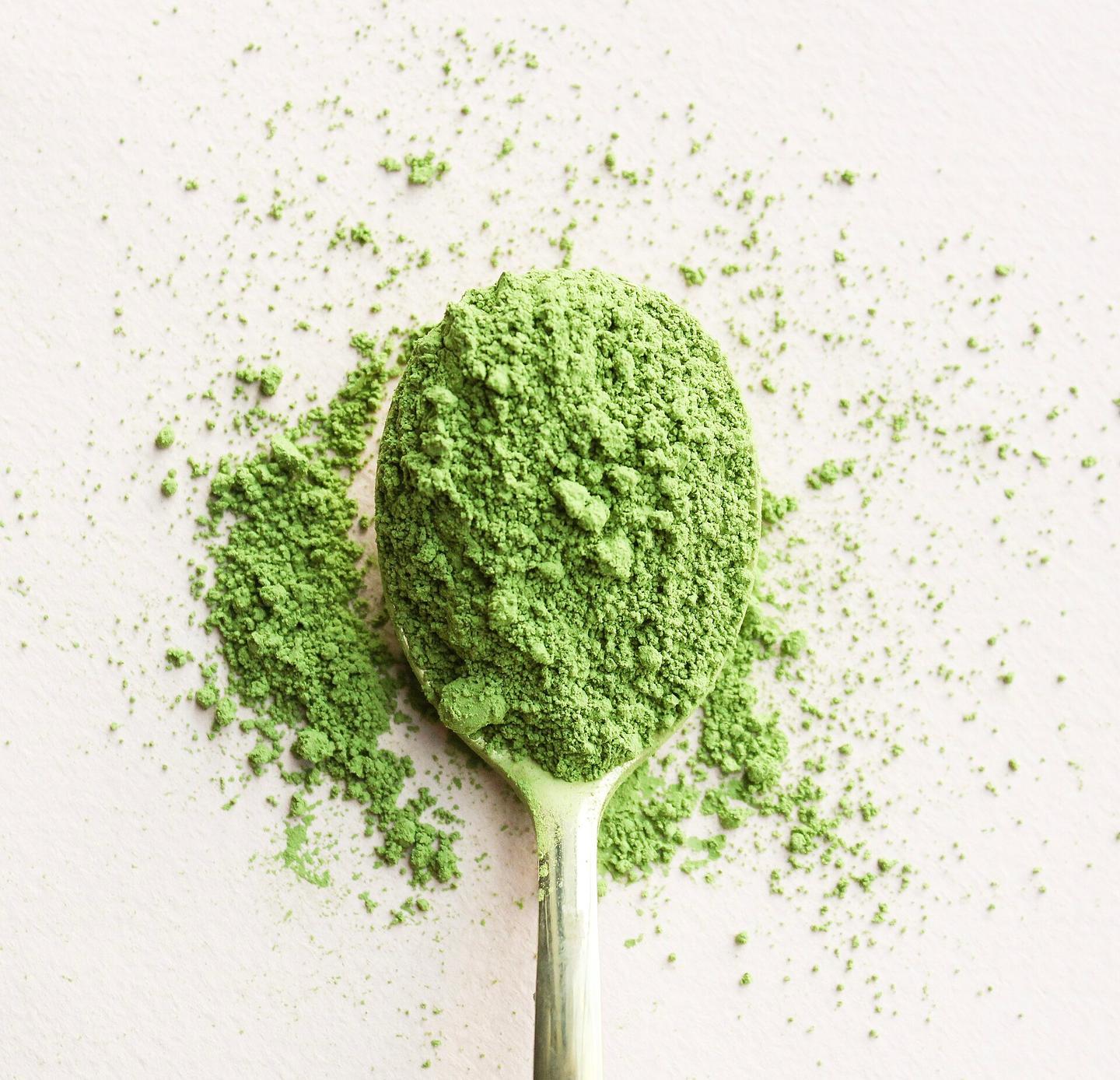
The reason is simple: 抹茶 (matcha, powdered green tea) is not just a colour, it’s a place, a process, and a great deal of painstaking work. And when the global boom gets noisy, provenance starts to matter rather a lot.



Why Japan Tea Industry Protection of Matcha Matters
Guess what? Matcha has gone from niche tea-room staple to a global café fixture, and that transformation has brought a very old problem into sharp focus, namely how to protect a product that is copied more easily than it is made. The Japan tea industry is now working to defend matcha as an authentic Japanese product, not merely a green ingredient for lattes, desserts, and whatever else a trendy menu can dream up before lunch.
That sounds dry on paper, but it matters in very real terms. Matcha is made from 碾茶 (tencha, tea leaves for matcha) leaves that are shaded before harvest, then steamed, dried, and stone-ground into a fine powder, a process that takes time, skill, and more patience than most modern supply chains are designed to tolerate. If a tin says matcha but contains ordinary powdered green tea, the customer is misled, the producer is undercut, and the whole reputation gets a bit dented, like a nice suitcase after one too many train transfers.
The Japanese tea sector has every reason to be protective. Kyoto, especially 宇治 (Uji, Uji, tea-growing city), has long been associated with high-grade tea production, and the tea culture around ceremonial use, temple traditions, and regional craftsmanship is a serious part of Japan’s cultural export story. When overseas buyers use the word matcha loosely, they aren’t just playing fast and loose with a beverage label, they’re nibbling away at the value of a whole regional heritage. See what I mean?
Matcha Boom, Brand Protection, and the Global Market
Here’s the kicker: the global matcha boom has been brilliant for Japanese tea exports, but it has also created a gold rush effect. Cafes, supermarkets, and online shops now sell anything from matcha cookies to matcha protein bars, and not all of them are made with genuine Japanese tea. Some use tea powder from other countries, some mix in flavourings, and some seem to think “matcha-inspired” is a legally meaningful category. It isn’t, at least not in the comforting way marketing departments might hope.
The best part, if you can call it that, is that this boom has forced the industry to get more precise about language. In Japan, producers and trade groups are pushing harder for geographical indication style protection, clearer standards, and better brand management abroad. The logic is simple, if a product is tied to a place and method, then the name should carry weight. Otherwise, you end up with a bottle of fizzy green water in a chain cafe claiming spiritual kinship with a tea ceremony. Which is a lot to ask of a leaf.
What protection actually means
Think of it as provenance with paperwork. The Japan tea industry wants stronger recognition that matcha is not just any powdered tea, but a product linked to Japanese cultivation, processing, and quality expectations. That can mean trademark protection, certification systems, export labelling rules, and international legal work to stop copycat branding from blurring the distinction between real Japanese matcha and generic green powder.
For example: if a business in Europe or North America sells a tin labelled matcha, consumers should be able to tell whether it comes from Japan, whether it follows the right production method, and whether the taste will have that proper balance of 旨味 (umami, savory taste; umami), bitterness, and sweetness that makes good matcha worth the bother. My tip: if you want the real thing, look for the prefecture or producer, not just the colour of the packaging. Bright green design is not a substitute for authenticity, however hard the marketing team may weep.



How the Matcha Boom Changes Japanese Tea Culture
The first time I went to Japan, I expected tea culture to be about etiquette, ceremony, and a great many quiet bows. And yes, those things are there, but matcha is also part of everyday life now, from confectionery counters to convenience store desserts to specialist cafes where young customers queue for drinks that would have baffled their grandparents. That’s not a criticism, by the way, it’s just what living traditions do. They move, split, adapt, and sometimes end up whipped into soft serve.
Seriously though, the boom has brought money into tea-growing regions, which matters because Japanese tea farming is not exactly a glamorous line of work. Many growers are older, labour is costly, and the number of new farmers is limited. If global demand is handled well, it can support better prices for high-quality leaves, encourage younger growers, and keep regional tea economies from fading into the background. If handled badly, it encourages shortcuts and brand confusion. And nobody wants a century of craftsmanship reduced to a dusty ingredient tub behind the till.
There’s also a language angle, which I rather like. Learners of Japanese often encounter words like 煎茶 (sencha, green tea), 玉露 (gyokuro, premium shaded green tea), and tencha, and matcha is the one that has truly escaped the tea room and gone international. But that makes accuracy more important, not less. Knowing the difference between tea types gives you a better handle on menus, on packaging, and on the cultural weight behind them. We all think we understand “green tea” until we’re staring at six distinct tins and trying not to look foolish.
Authenticity, Uji, and the Future of Matcha
What I especially like is that this isn’t just a branding spat, it’s a conversation about trust. When Japan protects matcha, it is protecting the relationship between producer and drinker, between region and reputation, between craft and commerce. That relationship has real value, especially when the global market is crowded with lookalikes and loud labels.
And Uji still matters, not because it is the only place that makes good tea, but because it stands for the idea of place-based quality. Alongside Kyoto and other tea-growing areas, it gives consumers a concrete point of reference. That’s useful in export markets, where the difference between authentic Japanese matcha and imitation product can be hard to spot unless you know what to look for. A good label, a clear origin, and a recognisable producer can do a lot of heavy lifting. The tea itself should be able to do the rest.
So yes, there is something slightly bureaucratic about all this, and bureaucracy is rarely sexy. But when you’re dealing with a product as culturally loaded and commercially battered as matcha, the paperwork is part of the preservation. The Japan tea industry is trying to make sure the world can keep enjoying matcha without flattening it into a generic trend. I’d call that sensible, and rather overdue. From my experience, the best food stories are usually about protecting what makes a thing itself, rather than letting the market turn it into beige mush in a paper cup.
Frequently Asked Questions
Why is matcha being protected internationally?
Because the name is being used for products that are not always made in Japan or made in the traditional way.
What does authentic matcha mean?
It usually means tea powder made from shaded tea leaves, processed in the Japanese style, with clear origin and quality standards.
Why does the global matcha boom matter?
It creates demand, but also confusion, so producers need stronger branding and legal protection to keep the market honest.