
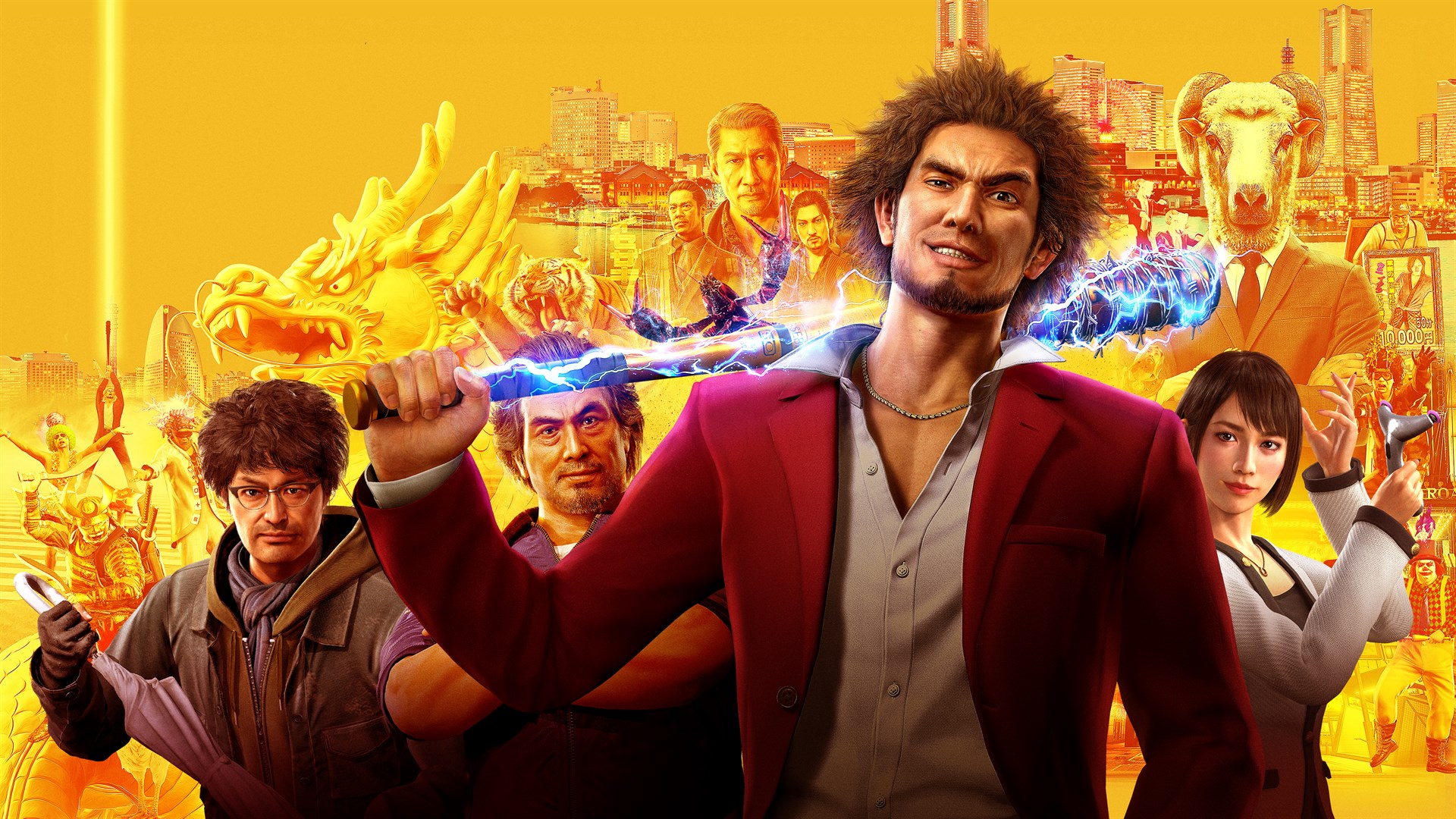
That feeling got even sharper for many fans after the YouTube clip Part-Time Hero in Yokohama made the game’s version of the city impossible to ignore. If you love Japan travel and Japanese language learning, this is one of the best examples of how a game can train your eyes for the real place.



Yokohama in Like a Dragon and the Part-Time Hero vibe
I still remember how fast 横浜 (Yokohama, Yokohama) clicked for me the first time I saw it through the lens of Ryu ga Gotoku. The clip Part-Time Hero in Yokohama does a great job of showing why: the city doesn’t just look inspired by a game map, it feels like a location you could actually patrol for errands, odd jobs and late-night drama.

For fans of Like a Dragon, that’s the magic. The game doesn’t treat Yokohama as a postcard background, it turns it into a playable neighbourhood where a convenience store run, a street encounter or a detour past a bar can become the whole story. No wonder, because the series has always loved giving ordinary city life the same weight as major plot twists.
Let’s be honest: part of the fun is spotting how the game rearranges reality just enough to make it feel bigger than life. You get a city that’s rooted in real geography, but still shaped for adventure, which is exactly why so many players start comparing in-game streets with actual ones as soon as they land in Japan. From my experience, that’s where virtual tourism becomes real travel planning. Wild, isn’t it?
Why Yokohama works so well as a real gaming setting
Compared to back home, Japanese city design often feels denser, more layered and easier to read once you get your bearings. Yokohama is a perfect example. It has a huge port-city identity, major train links, commercial districts, nightlife zones and those quieter side streets that game designers love because they naturally suggest hidden stories.

What most people don’t know is that Yokohama is Japan’s second-largest city by population, with about 3.75 million residents in the wider municipal area. That scale matters, because a city this large can support very different moods in one compact playable space. In Like a Dragon, that means you can move from polished waterfront views to cramped entertainment streets in just a few minutes, which is exactly the sort of contrast that keeps a game map interesting.
And it gets better: the Ryu ga Gotoku team has a long history of building districts that feel lived-in rather than generic. Think of how 神室町 (Kamurocho, Kamurocho (fictional district)) was shaped around 歌舞伎町 (Kabukicho, Kabuki district) in Tokyo. Yokohama extends that approach with a fresh coat of paint, giving the series a new playground without losing the street-level detail that fans expect. Personally, that balance is what keeps me coming back to these games.
How the game teaches your eye for real places
Picture this: you’re in Yokohama, you turn a corner, and a shopfront, alley layout or station exit suddenly reminds you of a mission hub from Like a Dragon. That moment is weirdly rewarding, because your brain starts matching game memory with real signage, real pavement and real daily movement.




For Japanese learners, this is also a sneaky study method. You start noticing location words, shop signs and common everyday vocabulary because the setting gives them context. My tip: if you play with subtitles or dialogue notes, keep an eye out for words tied to city life, jobs, directions and food. Even simple terms become easier to remember when you’ve got a real neighbourhood attached to them. Highly recommended:
Real-life Yokohama spots that feel like a sidequest map
Before I forget: the appeal isn’t only about famous landmarks. The strongest Like a Dragon connection usually comes from places that feel ordinary at first glance. Train stations, pedestrian streets, game centres and narrow food alleys all matter because they create the everyday rhythm that the series loves.
For example, areas around みなとみらい (Minato Mirai, Harbor Future), 野毛 (Noge, Noge district), 関内 (Kannai, Kannai district) and Chinatown give you very different energy within the same city. Minato Mirai feels open and modern, while Noge and Kannai feel more tied to nightlife and local wandering. Chinatown brings a completely different visual texture, which is exactly why Yokohama works so well as a game setting. It keeps changing character without leaving the city limits.
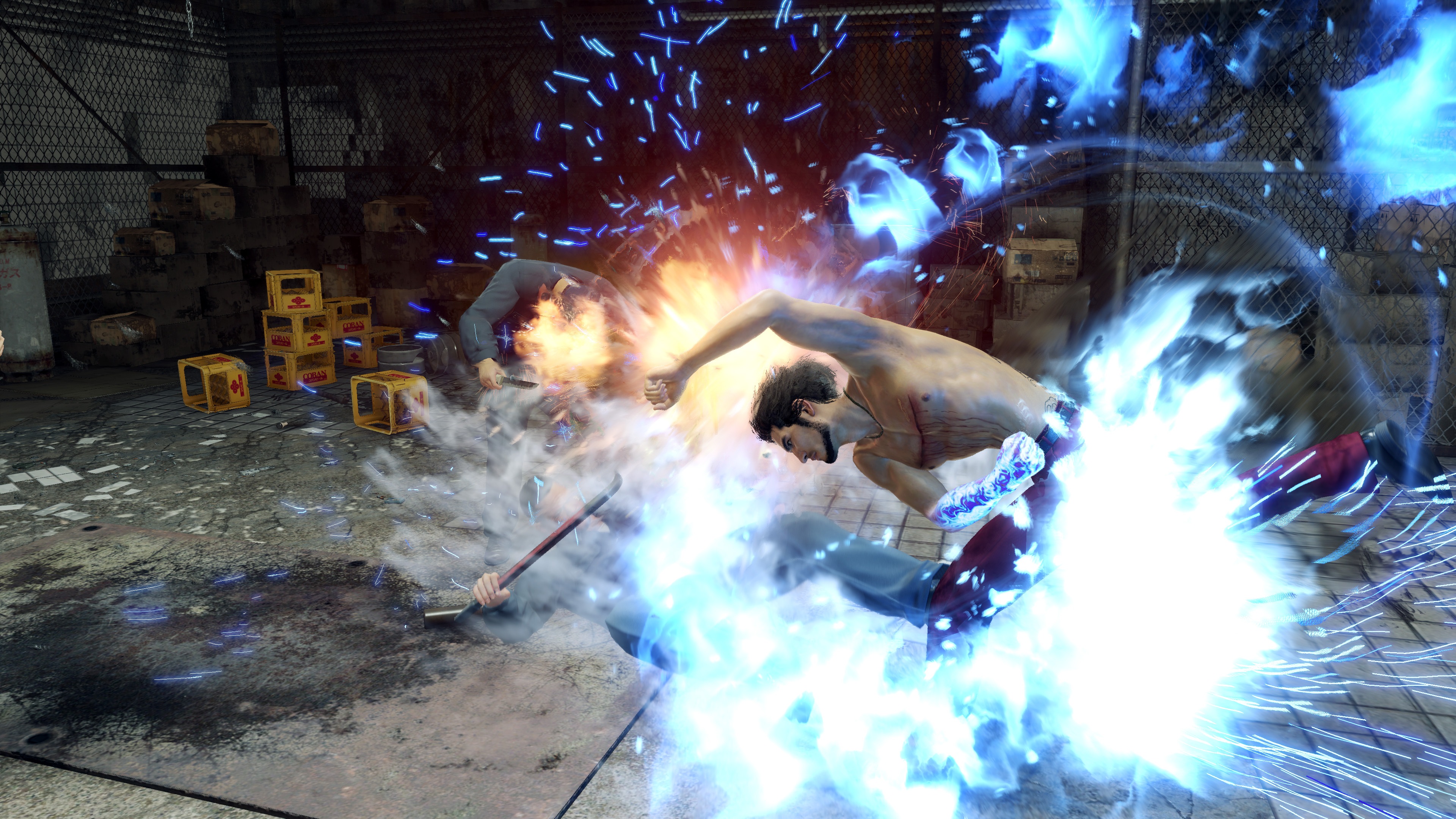
That reminds me: this is also why fans enjoy comparing screenshots with real travel photos online. Community posts on places like r/Yokohama and travel threads on r/JapanTravel often show the same instinct, people want to map the emotional memory of a game onto a real street. From my experience, that search for overlap is half the pleasure.
Why this matters for Japan fans and language learners
If you’re studying Japanese, a city like Yokohama gives you more than scenery. It gives you a mental model. You begin connecting words like station, shop, street and neighbourhood to actual places, and that makes the language feel less abstract.
It also helps with cultural reading. Ryu ga Gotoku is full of jokes, urban tension and small details about work, nightlife and social behaviour. When those ideas are placed in a real city, they become easier to imagine. I still think that’s one of the best ways to build intuition as a learner, because it links language, place and atmosphere at the same time. See what I mean?
In pictures

Frequently Asked Questions
Is Yokohama in Like a Dragon based on a real place?
Yes, the game’s Yokohama is strongly inspired by real districts and city life, even though it’s redesigned for gameplay.
Why do fans compare game locations with real streets?
Because it makes the city feel more immersive and helps players recognise landmarks, routes and neighbourhood details.
Can this help with learning Japanese?
Yes, city scenes and everyday signs can make vocabulary easier to remember because you see the words in context.


