
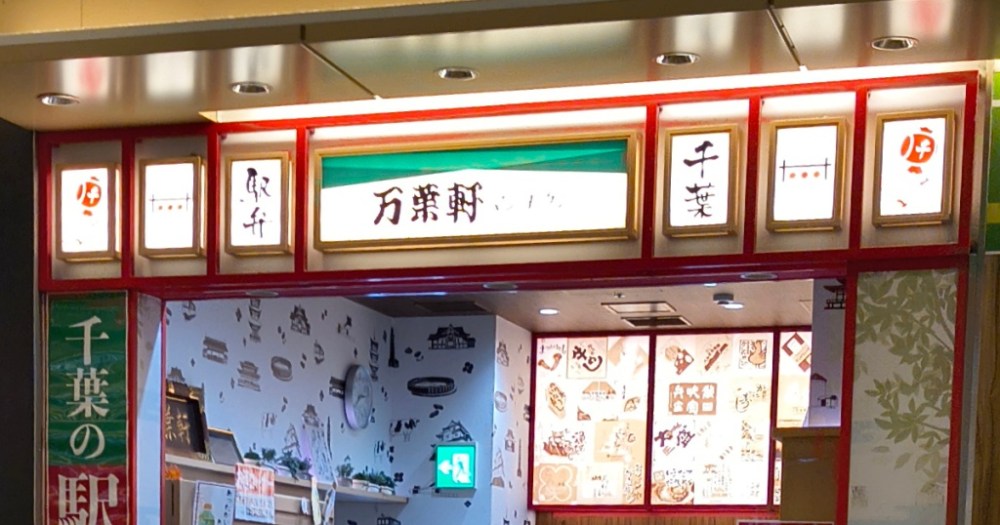
If you love Japanese train travel, or you are learning Japanese and want the cultural context behind everyday words like 駅弁 (Ekiben, station boxed lunch) and 弁当 (bento, boxed lunch), this one’s a treat. It’s food, history, and rail nostalgia all packed into a cardboard box, which sounds simple until you realise how much Japan has turned station meals into an art form.
Nearly 100 years of ekiben history at one station shop
Let me show you why this SoraNews24 report caught my eye. A bento shop at a train station has been serving customers for almost 100 years, which means it has survived huge changes in how people travel, eat, and move around Japan.
That kind of longevity is rare anywhere, but in Japan it feels especially meaningful. Railway stations are not just transfer points, they’re food stops, memory markers, and everyday landmarks. A shop like this becomes part of a town's rhythm, and regular passengers build habits around it. From my experience, that’s one of the best things about Japanese travel food; it quietly tells you where you are.
Why ekiben matter so much in Japan
Know that feeling when you get on a train and suddenly want something warm, tidy, and easy to eat? That’s exactly where ekiben come in. The word itself is simple, ekiben is bento sold for train travel, but the culture around it is rich with local identity, packaging style, and seasonal ingredients.
While we're at it: ekiben are also a little lesson in Japanese efficiency. They’re built to be eaten without fuss, usually with rice, protein, vegetables, and a clear visual layout. A good ekiben is practical, but it’s also a tiny celebration of place. That’s why people often buy one even when they’re not hungry yet. Sounds weird, but it's true.
The station meal as a travel ritual
For many Japanese travellers, buying a bento before departure is part of the journey itself. The platform, the clock, the smell of rice, the paper wrap, it all sets the mood. If you’re learning Japanese, this is a nice moment to remember words like 駅 (eki, station) for station, 電車 (densha, train) for train, and bento for boxed lunch. These are everyday terms, but they open a door into real travel habits.
A great example: on long-distance trips, many people still think first about what they’ll eat on the train rather than what they’ll eat after arriving. That says a lot about how deeply station food is woven into the rail experience. Wait, there's more.
Manyoken and the pull of tonkatsu bento
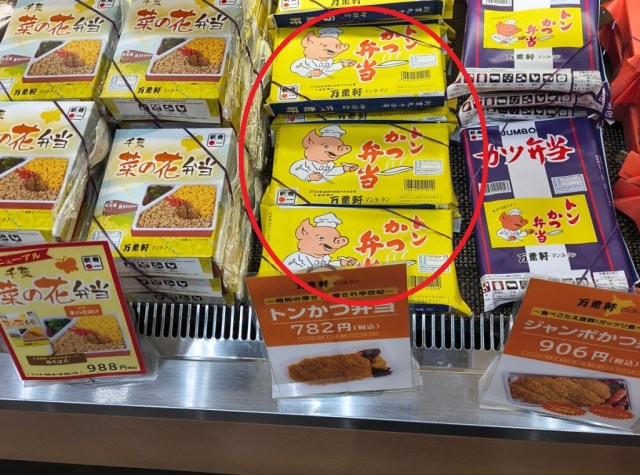
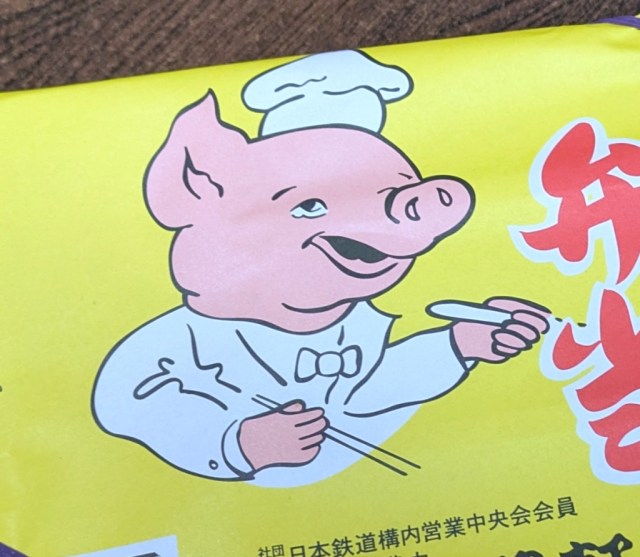
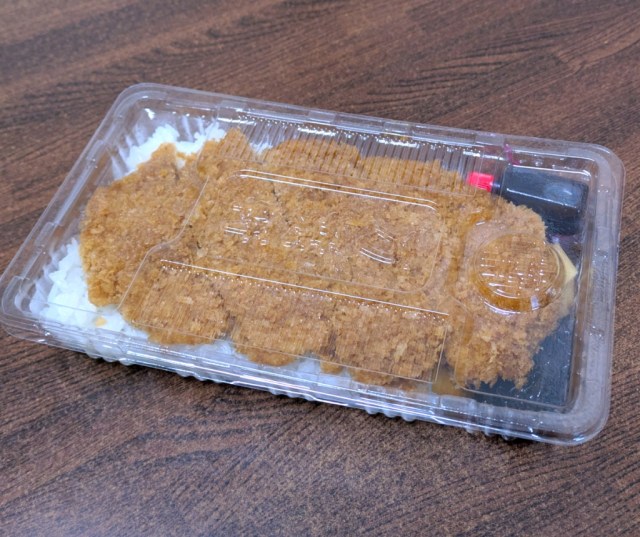
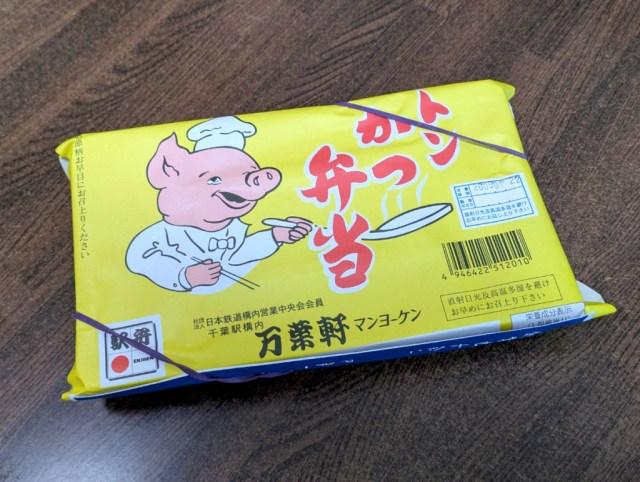
Trust me on this one: when a local bento shop has lasted close to a century, the menu usually has at least one dish with serious staying power. In this case, the report mentions Manyoken and its 豚カツ (tonkatsu, pork cutlet) bento, which is exactly the kind of dish that makes sense in station food culture. Crispy pork cutlet, rice, sauce, and a clear, satisfying shape, it’s easy to picture why customers keep coming back.
To be fair: tonkatsu isn’t fancy in the chef's-table sense, but that is part of its appeal. It’s comforting, filling, and familiar. In a country where train schedules are strict and travel days can be long, a bento that feels dependable becomes more than lunch. It becomes a small promise that the trip will go smoothly. Simply brilliant.
Why classic comfort food wins
Manyoken's tonkatsu bento also points to something bigger about ekiben culture. The best-known station lunches are often not the most experimental ones, they’re the ones that deliver consistency. People return because they know what they’re getting, and because the flavour carries a bit of memory with it.
That reminds me: Japanese food culture often values repeatability in a way that foreign visitors do not always expect. A dish can be ordinary and still deeply loved, especially if it shows up at the right place and the right time. From my experience, that emotional timing matters just as much as the recipe.
What this tells us about Japanese rail travel and local identity
Picture this: a station bento shop opens early, serves commuters, school travellers, business passengers, and then closes after the rush, only to do it all again the next day. Over decades, that routine becomes local history. When a shop keeps going for nearly 100 years, it is not just selling lunch, it is preserving a way of moving through Japan.
For Japan fans, this is one of the best entry points into the country's everyday culture. You do not need to know every station name or every regional specialty to appreciate the idea. You just need to understand that in Japan, food and transport have long grown side by side. A station bento is a meal, yes, but it is also a souvenir, a timetable companion, and a little piece of place-based storytelling. But that's not all.
My tip: if you are studying Japanese, pay attention to food-related words in travel contexts. They show up everywhere, from station signs to convenience store shelves to local lunch menus. Learn a few, and suddenly a train ride becomes much easier to understand, and a lot more fun. This is my absolute hidden gem!
In pictures
Frequently Asked Questions
What is an ekiben?
An ekiben is a boxed lunch sold at train stations for travellers.
Why are station bentos so popular in Japan?
They are convenient, regional, and tied to the experience of train travel.
Why do old bento shops attract so much attention?
They connect food, memory, and local history in a way people really value.


