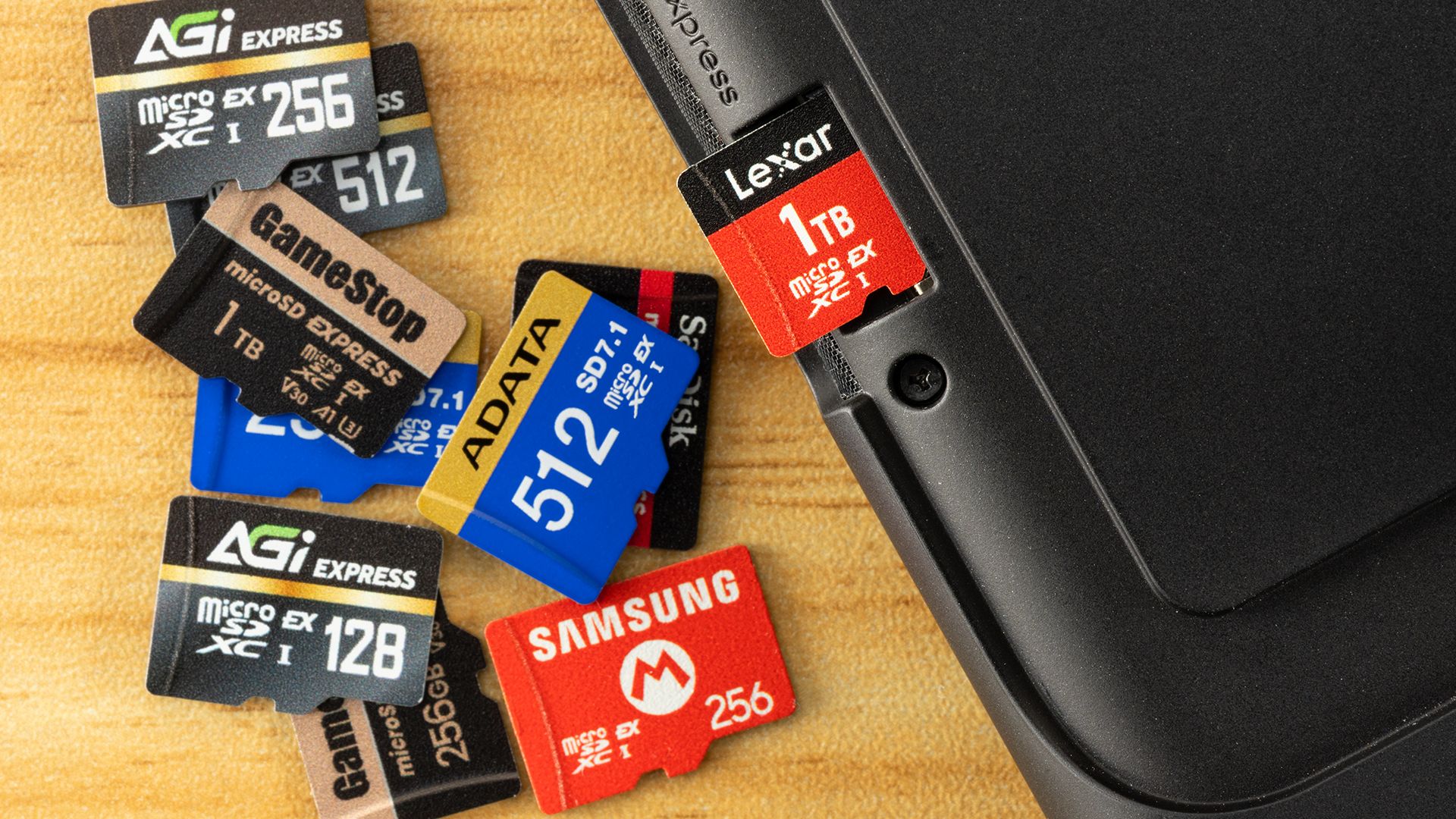
The reason sounds unglamorous, but it’s very real: rising memory chip costs. That gives us a rare look at how even a giant like Nintendo has to react when supply chain prices start biting.
![Dragon Ball Z: Kakarot [Master Edition]](https://s.pacn.ws/1/p/1eh/dragon-ball-z-kakarot-master-edition-908785.1.jpg?v=t8ja8t&width=400)
![Startup Company [Console Edition] (Limited Edition)](https://s.pacn.ws/1/p/157/startup-company-console-edition-limited-edition-741799.16.jpg?v=ry4mm8&width=400)
![Startup Company [Console Edition]](https://s.pacn.ws/1/p/157/startup-company-console-edition-741779.10.jpg?v=ry4ngq&width=400)
Nintendo raising Switch 2 prices: what changed
Nintendo is reportedly set to raise the price of the Switch 2 across several major markets, including Japan, North America, and Europe. The report from Nikkei Asia describes it as a global price round, which is a pretty strong signal that this isn't just a local adjustment tied to one country or one store chain.
Let me show you why this matters. When a company changes pricing in multiple regions at once, it usually means the pressure is coming from the production side, not from a single market. In this case, the pressure point is memory chips, a part you never see on the shelf, but absolutely feel when the final price goes up.
Why memory chip costs are pushing prices higher
Here's the thing: game consoles are packed with components that swing in price depending on supply, demand, and manufacturing conditions. Memory chips, in particular, have been getting more expensive, and Nintendo is reportedly pointing to that directly as the reason for the Switch 2 hike.
That wording is interesting. Large hardware companies often hide behind vague phrases like market conditions or logistics pressure, but when a brand like Nintendo says memory chip prices are the issue, it tells you the cost increase is real enough to mention publicly. For Japan fans, that kind of plain talk feels almost refreshing, or at least more honest than the usual corporate fog. Personally, I think that’s a nice change.
What this means for buyers
If you're waiting to buy a Switch 2, this kind of price move changes the mood quickly. A console that was already being watched closely can suddenly become a harder impulse buy, especially in Europe where taxes and exchange rates can already make gaming hardware feel expensive compared to Japan.
Compared to back home, console pricing in many countries often feels less stable than people expect. One month it's a launch price, the next month it's adjusted because chip supply tightened or shipping costs climbed. Wild, isn't it?
Why Nikkei Asia calling it a global price round matters
On a related note: the phrase used by Nikkei Asia, global price round, is more telling than it might sound. It suggests Nintendo isn't just reacting to one retailer or one local market. Instead, it looks like the company is aligning its pricing strategy across regions, which is usually done to keep margins and distribution plans from drifting too far apart.
That kind of move also hints at how carefully Nintendo watches its image. The company doesn't want one market to feel singled out while another gets a better deal. If prices rise in Japan, North America, and Europe together, the message is simple: everyone is feeling the same cost pressure.
What I especially like about this story
What I especially like is that it gives learners a real-world example of business vocabulary in action. Words like price round, margin, supply chain, and component costs show up constantly in Japanese tech reporting, even if the headlines themselves stay short and sharp.
By the way: if you read Japanese business news, you'll notice this style everywhere. Short phrasing, clear blame on one cost driver, and very little dramatic language. It's efficient, and honestly, it's a useful pattern to get used to if you're studying news Japanese. Highly recommended:
For Japan fans, this is bigger than one console
The Switch 2 price story is also a reminder that Japan's biggest brands don't live in a bubble. Nintendo sells a beloved product, but it still depends on the same global chip ecosystem as phones, laptops, and other electronics. If memory prices rise, the effect can hit fast and spread across product lines.
That reminds me: this is exactly why hardware announcements are so closely watched by Japan fans. A single number can affect import decisions, travel shopping plans, and launch hype all at once. If you've ever bought a game console in Japan and compared it with prices abroad, you already know how quickly those differences can shape the conversation. Convinced yet?
Frequently Asked Questions
Why is Nintendo raising the Switch 2 price?
The main reason is reportedly higher memory chip costs.
Which regions are affected?
Japan, North America, and Europe are all expected to see higher prices.
Why does this matter to Japan fans?
It shows how global supply chain costs can affect even major Japanese brands.