
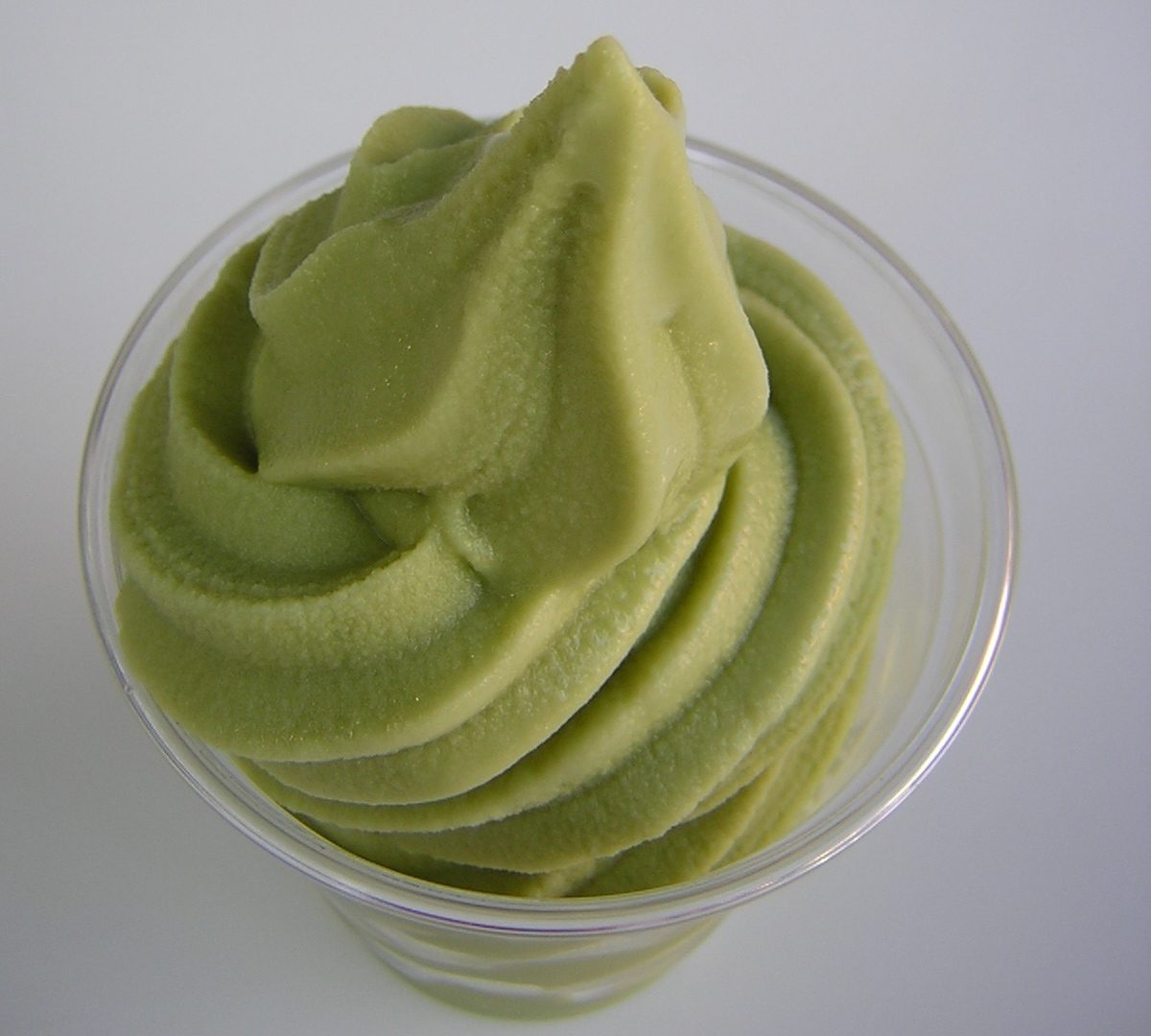
Beard Papa, matcha, and why this cream puff matters
What most people don’t know is that Beard Papa is one of those dessert chains that quietly tells you a lot about Japanese food trends. Founded in Osaka in 1999, it became famous for its fresh cream puffs, then spread far beyond Japan, which makes it a useful barometer for what casual dessert shoppers want right now. When a chain like this launches a premium green tea cream puff, it isn’t just adding a seasonal flavour, it’s testing how far 抹茶 (matcha, green tea powder / matcha) branding can be pushed before customers start asking what the label actually means.
Seriously though, matcha sells because it sounds both traditional and upscale. That combo is gold for food marketing, especially when the audience includes overseas fans who want something Japanese, but also want it to feel refined. Beard Papa knows this game well, and a premium green tea cream puff is a smart way to ride the wave without making the product feel heavy or overly bitter. Wild, isn’t it? A simple pastry can become a lesson in branding.
Hand on heart, I think this is where Japanese food culture gets misunderstood most often. People see a bright green dessert and assume the stronger the colour, the higher the quality, but that isn’t how it works. The real story sits in the language around the product, and that language is doing a lot of work here. My tip: if you’re learning Japanese through food labels, pay close attention to how words like matcha, premium, and ceremonial are used together. They sound technical, but they’re often marketing choices first and quality standards second. My verdict:
What “ceremonial grade” really means in Japan
Here’s the catch: “ceremonial grade” is not an official Japanese classification. There is no government-run system that says, “This matcha is ceremonial, and this one is not.” The phrase is mainly a marketing term that became popular outside Japan, especially in English-language retail and e-commerce. That means two tins with similar quality can be described very differently depending on the brand, the market, and the story the seller wants to tell.
Take premium tea, for instance. In Japan, quality is usually discussed in more practical ways, like where the tea was grown, how it was shaded before harvest, how finely it was stone-ground, and what the flavour is meant for. Some matcha is made for tea ceremony use, some for everyday drinking, and some for sweets, lattes, and ice cream. Those categories exist in practice, but the wording isn’t as neat as overseas shoppers often assume. Sounds weird, but it’s true.
Why the English label causes confusion
Know that feeling when a label sounds official, so you stop questioning it? That happens a lot with ceremonial grade. The phrase gives the impression of a protected standard, like a regulated ranking system. In reality, it often means the seller wants you to picture a smoother, brighter, less astringent matcha, usually with a premium price tag attached.
That doesn’t mean the term is meaningless. It can still signal a product made with care, and some brands do use it consistently to distinguish drinking-grade matcha from culinary matcha. But consumers should know that the word itself isn’t an accepted legal category in Japan. If you’re buying matcha in English, especially online, it helps to ask a simpler question: what is this product actually intended for? Drink it straight, whisk it with water, or bake it into a cream puff? Wait, there’s more.
How Beard Papa turns green tea into a dessert lesson
I still remember exactly how Beard Papa built its reputation, one puff at a time. The brand’s core idea is straightforward, shell plus cream, but the execution is what keeps it interesting. Its cream puffs are usually filled after ordering, which keeps the pastry crisp and the cream cold, and that freshness matters when you’re dealing with delicate flavours like vanilla, custard, or green tea. A premium green tea cream puff makes even more sense in that setup because matcha loses its charm fast if it tastes flat or dusty.
Imagine a narrow alley in Tokyo. You spot a small sweets shop, then another, then another, and suddenly every shop window is trying to convince you that its dessert is the most authentic, the most premium, or the most limited. Beard Papa plays in that same space, just with the confidence of a global chain. The new cream puff isn’t trying to be a formal tea ceremony sweet, and that’s exactly why it works. It borrows the atmosphere of premium tea culture without pretending to be the real thing.
That brings us to the part Japan fans usually enjoy most: the balance between tradition and convenience. In Japan, food products often nod to tradition while staying extremely accessible. A green tea cream puff is a perfect example. You get a flavour associated with centuries of tea culture, but you eat it on the street, on the train, or between errands. Not bad, right? For Japanese learners, this is also a nice reminder that context matters as much as vocabulary. The word matcha can feel simple in romaji, yet it carries ceremony, seasonal feeling, gift culture, and dessert hype all at once. But that’s not all.
What Japan learners can take from this matcha moment
Before I forget, this story is a useful language lesson too. Food marketing in Japan leans heavily on adjectives that sound precise, even when the underlying rules are fuzzy. Premium, rich, smooth, authentic, seasonal, and limited all show up constantly. If you read Japanese food content, you’ll see the same strategy in action, even when the exact wording changes. Learning to separate flavour description from sales language is a real skill, and it helps you read menus, ads, and convenience store packaging with a sharper eye.
One thing I especially like is how this kind of product opens the door to cultural discussion without feeling like homework. You can enjoy a dessert and still notice how Japanese brands use tea culture as a shorthand for quality. You can also spot how overseas copywriters sometimes flatten that culture into a single phrase, like ceremonial grade, and hope nobody asks follow-up questions. If you enjoy Japan food stories that mix taste, language, and marketing, this is a good one to keep in mind. My verdict: the cream puff sounds delicious, but the bigger takeaway is how easily matcha language gets dressed up for the market.
Sources
Frequently Asked Questions
Is ceremonial grade an official Japanese matcha category?
No, it is mainly a marketing term used in English-speaking markets.
Why do brands use the word premium for green tea desserts?
It signals higher quality, richer flavour, and a more upscale image.
Why do Japan fans care about matcha labels?
Because the labels often shape how people understand Japanese food and culture.


