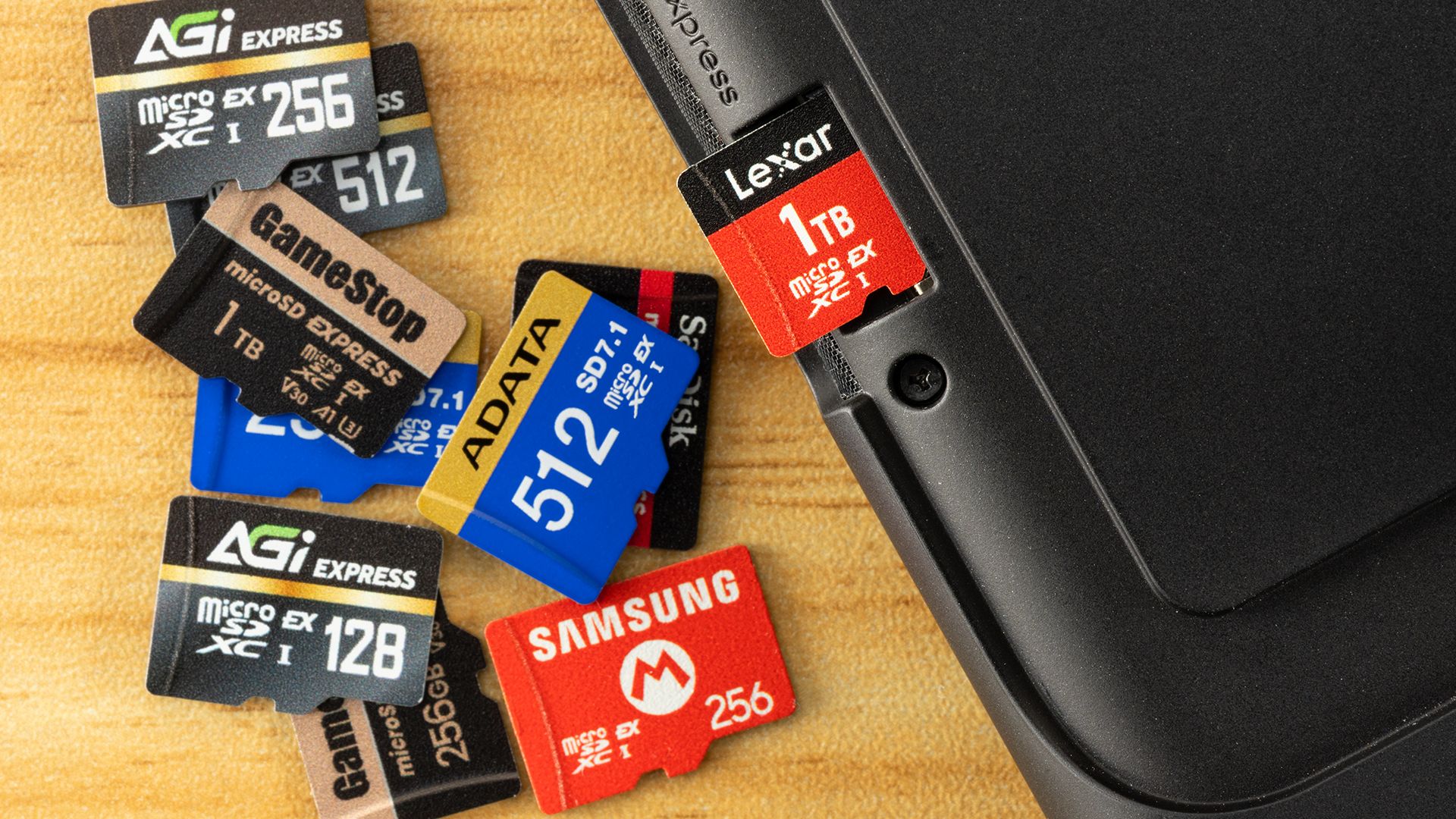
The debate is now tied to Switch 2 expectations, rising semiconductor costs, and a very simple question: do fans want convenience, or do they want a cartridge that feels permanent? Trust me on this one, people care a lot more about that little plastic piece than outsiders might think.
![Dragon Ball Z: Kakarot [Master Edition]](https://s.pacn.ws/1/p/1eh/dragon-ball-z-kakarot-master-edition-908785.1.jpg?v=t8ja8t&width=400)
![Startup Company [Console Edition] (Limited Edition)](https://s.pacn.ws/1/p/157/startup-company-console-edition-limited-edition-741799.16.jpg?v=ry4mm8&width=400)
![Startup Company [Console Edition]](https://s.pacn.ws/1/p/157/startup-company-console-edition-741779.10.jpg?v=ry4ngq&width=400)
Nintendo Key Card backlash is about more than nostalgia
Why are people so upset about Nintendo Key Cards? Because for many players, a Switch game card is part of the experience, not just a storage medium. It’s easy to forget, but Nintendo built a huge part of its modern image around compact physical chips that you could pop in, keep, trade, and display with pride.
When fans hear that more games may ship with Key Cards instead of traditional cartridges, they don’t just hear a technical change. They hear, “Your collection is becoming less physical.” Sounds weird, but it's true. A boxed game with a real chip inside has a different value from a box that mainly acts like a download licence holder.
What many overlook: collectors notice the difference immediately
Take The Legend of Zelda: Tears of the Kingdom and Super Mario Wonder, for instance. These kinds of releases are the sort of games people keep for years, show to friends, and resell later. If a future Switch 2 library shifts toward Key Cards, collectors worry that sealed copies will feel less satisfying, and second-hand buyers may care less too.
There’s also the preservation angle. Physical chips can be borrowed, sold, or stored offline for years. A Key Card setup can make a game feel less secure in the long run, especially if servers, account rules, or download support ever become a problem. Classic Japan, isn't it? Fans are already thinking about the future, not just launch week. Wait, there's more.
Why fans want a return to physical game chips
There’s a practical reason the reaction has been so strong. Nintendo has always sold itself as the friendly alternative to giant file installs and clunky discs. The Switch family made that pitch even better, because the game chip was tiny, durable, and easy to carry in a case.
For Japan fans, the appeal is familiar. Think about how people value tangible items in Japanese hobby culture, from train cards to ガチャ (gacha, capsule toy / gashapon) figures to limited-edition Blu-rays. A product feels more complete when you can hold the real thing. My tip: if you collect Switch games, always check whether a release uses a full chip or a download-based card before you buy.
Resale value, display value, and gift value all matter
Physical games in Japan often have a life beyond the first purchase. They get traded at Book Off, displayed on neat home shelves, or given as gifts during holiday seasons. A traditional cartridge supports all of that cleanly. A Key Card can still work, but it doesn’t deliver the same satisfaction when someone opens the box.
That’s why so many fans are asking Nintendo to go back to physical chips. They aren’t rejecting digital convenience altogether. They’re asking for choice. For example, many players are happy to download updates later, but they still want the base game on a chip they can keep. Pro tip: if you’re buying for a child, a friend, or your own collection, the box art means more when the actual game is inside. Personally...
Semiconductor costs may explain Nintendo's move
Plot twist: this backlash isn’t happening in a vacuum. Semiconductor prices matter. Cartridges and flash storage components aren’t cheap, and manufacturers have been juggling higher production costs for years. If Nintendo is trying to control margins on Switch 2 software, a Key Card model can make financial sense, even if fans hate the trade-off.
That doesn’t mean the criticism is unfair. It just means the business logic is easy to understand. A cheaper physical package can help publishers release more games, keep retail pricing under control, and reduce manufacturing pressure. But fans often see the downside first, not the spreadsheet. And it gets better: the more expensive the hardware ecosystem becomes, the more people will demand proof that their software purchases still feel worth it.
What Switch 2 collectors should watch for
For collectors, the big question is whether Nintendo will split the library into clear categories. Will some titles come on true chips while others use Key Cards? Will limited editions still include fully playable physical media? Those details will shape buying habits from launch day onward.
If you’re building a long-term collection, watch the packaging carefully. Japanese stores are usually very clear about product format, but import listings can be messy. Highly recommended: check the exact contents before pre-ordering, especially if you care about resale value or preservation. If Nintendo listens to the criticism, we may still see a stronger mix of real cartridges and flexible download options. If not, the company could face a long argument with its most loyal fans. Convinced yet?
For Japanese learners, this is a nice real-world reminder that product vocabulary matters. Words like game card, physical edition, download version, and collector's item show up constantly in hobby news. Reading this kind of story helps you get used to how Japanese pop culture business news is discussed in English too, especially when the same arguments repeat across game, music, and figure markets.
If you follow Nintendo, this is one of those stories worth watching closely. The Switch 2 generation could define how fans think about ownership for years, and that affects collectors, resellers, and casual players alike. Sounds simple, but for a lot of people, the little plastic chip is part of the magic.
Sources
Frequently Asked Questions
Why are fans upset about Nintendo Key Cards?
Because they feel less like a real physical game and more like a download holder.
Will Key Cards matter for collectors?
Yes. Collectors often value full physical media for display, resale, and long-term ownership.
Could production costs be behind the switch?
Yes. Higher semiconductor and storage costs may be pushing publishers toward cheaper physical formats.