
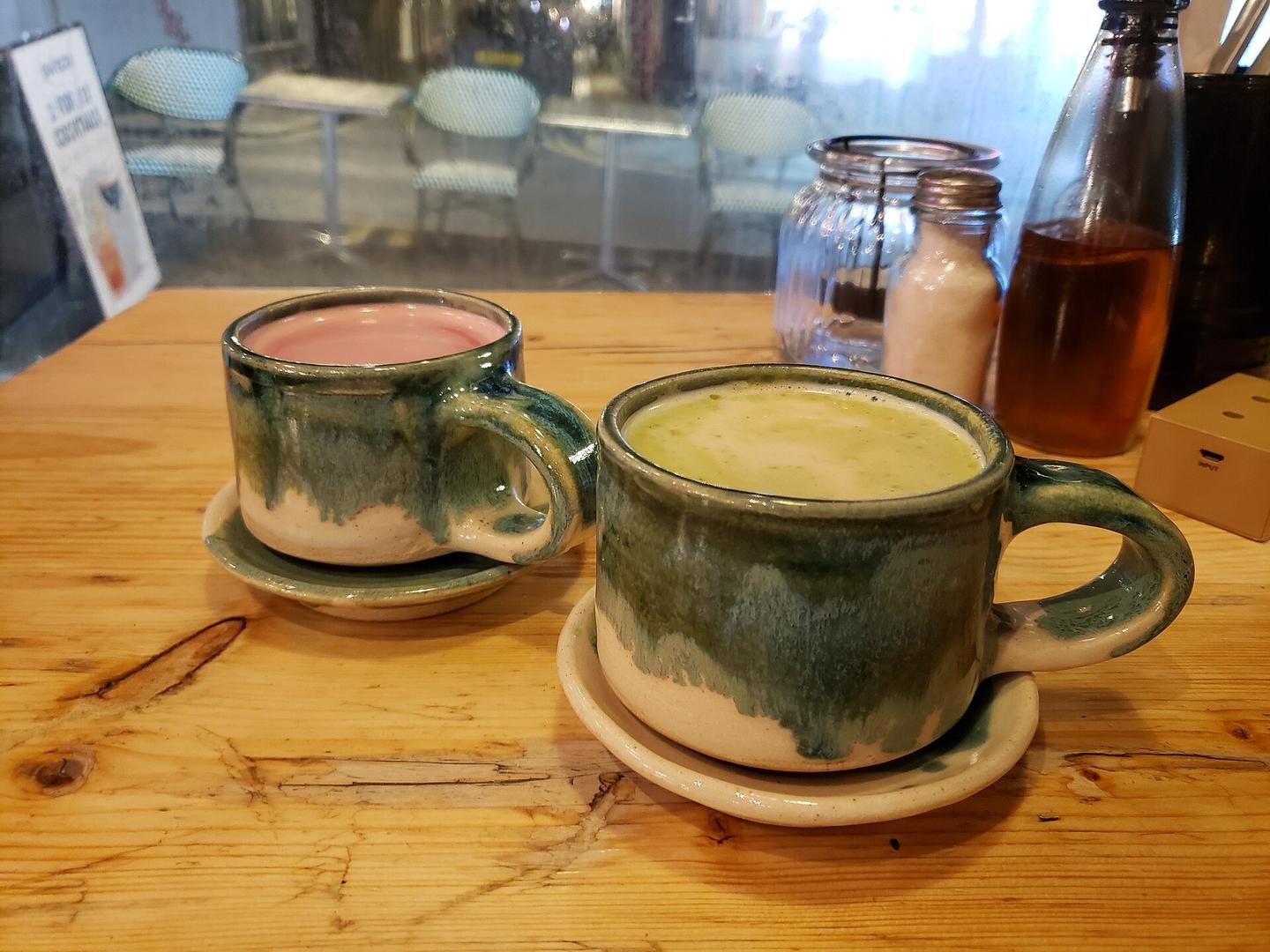
蓬 (Yomogi, Japanese mugwort) has long been part of Japanese seasonal cooking, but it’s now being framed as a marketable flavour with room to grow. What used to feel familiar and regional is suddenly being discussed as a potential trend flavour, and that shift is worth watching.
Yomogi and the search for the next Japanese flavour trend
Ever wondered why some ingredients suddenly move from quiet tradition to headline material? Yomogi is a good example. In Japanese, it’s known as mugwort, and in food conversations it’s sometimes called the queen of herbs because of its long history, broad use, and strong, recognisable aroma. That nickname sounds bold, but it fits the way many cooks and makers now talk about it.
The current attention is partly practical. 抹茶 (matcha, powdered green tea) has faced supply pressure in recent years as global demand keeps climbing. When one headline ingredient gets harder to secure, buyers, cafes, and product teams start looking for the next green flavour with a clear Japanese identity. Yomogi is stepping into that gap. Sounds weird, but it’s true.
Why yomogi is getting more attention now
Here’s the thing: yomogi is not new at all. It has been used for generations in home cooking, sweets, herbal teas, and seasonal dishes across Japan. What’s new is the way it’s being packaged and presented. A leaf that once lived mainly in local memory is now being treated like a brandable flavour profile.
That matters for both food lovers and Japanese learners. If you study Japanese through food, yomogi is a useful word to know because it appears in menus, sweets, and seasonal product names. You’ll also see it in contexts linked to spring, renewal, and traditional ingredients. That combination gives it more staying power than a one-season gimmick. See what I mean?
Queen of herbs, but still very grounded
What most people don’t know: the phrase queen of herbs is not just marketing fluff. Yomogi has a strong place in Japanese culinary culture because it’s versatile. It can be used in rice cakes, dumplings, teas, soups, and even noodle products. The flavour is grassy, slightly bitter, and earthy, so it needs balance. Sugar, red bean paste, or mild dough are common partners.
My tip: if you are new to yomogi, start with sweets rather than savoury dishes. The flavour reads more clearly there, and it’s easier to understand how much you need. A little goes a long way. Too much can make the final result taste harsh instead of aromatic. Wait, there’s more.
How yomogi connects to Japanese home cooking
Take 餅 (mochi, rice cake), for instance. Yomogi mochi is one of the clearest ways to understand why this herb still matters. The green colour signals spring, but the taste is what keeps it interesting. It is not sweet on its own. It needs a supporting structure, usually glutinous rice or a soft bean filling, so the herb can stay present without taking over.
This is where yomogi has an advantage over many modern trend ingredients. It already belongs to Japanese home cooking, so it doesn’t need to be invented from scratch. A trend built on a real pantry ingredient usually lasts longer than one built only on novelty. Home cooks know how to use it. Shops know how to sell it. Learners can recognise it in context. Simply brilliant.
What to look for when buying yomogi products
By the way, if you see yomogi powder, paste, or dried herb in a shop, check how it’s meant to be used. Some products are for mixing into dough. Others are best for tea or soup. The colour should be naturally green, not neon. The aroma should smell herbal, not dusty.
When you read labels in Japanese, you may notice yomogi appearing alongside seasonal sweets, mochi, or baked goods. For language learners, this is a useful pattern. Learn the ingredient first, then notice how it appears in product categories. That is often the fastest way to understand how Japanese food names are built. My verdict: context matters more than vocabulary lists alone.
Could yomogi really be the next matcha?
Here’s the catch: yomogi will probably not replace matcha, and it doesn’t need to. Matcha has a distinct place in drinks, desserts, and global cafe culture. Yomogi is better positioned as a complementary flavour with a stronger traditional and seasonal profile. That makes it attractive in a different way.
And it gets better: because yomogi is tied to old cooking habits, it can appeal to both modern consumers and people looking for authenticity. Food trends often move fastest when they feel both fresh and rooted. Yomogi has that balance. It is traditional, but it also gives product developers room to create new cakes, cookies, noodles, and drinks. Wild, isn’t it?
I still remember exactly how often I saw yomogi in small Japanese bakeries during spring visits. It was not loud. It was not pushed as a novelty. It was simply there, which is usually a good sign. Ingredients that survive quietly for decades often become the ones that trend best when the market starts looking for substance.
If you are learning Japanese, this is a useful cultural lesson too. Not every food trend begins online. Some begin with seasonal habits, local taste, and ingredients that never really left the kitchen. Yomogi may be getting a new spotlight now, but its credibility comes from long use, not hype. That is why the comparison with matcha makes sense, but only up to a point.
So, will yomogi become the new matcha? My answer is probably not in the same way, but it could become the next Japanese flavour people start asking for by name. If supply pressure keeps pushing buyers to explore alternatives, this herb has the history, the taste, and the flexibility to earn that attention. Start with one well-made sweet, and you’ll understand the appeal quickly. more Japan news on jpnerd.com
Sources
Frequently Asked Questions
What is yomogi?
Yomogi is a Japanese herb also known as mugwort. It is used in sweets, teas, and seasonal home cooking.
Why is yomogi getting attention now?
It is drawing interest because matcha supplies have been tighter, and buyers are looking for traditional Japanese flavours with room to grow.
How should beginners try yomogi?
Start with a simple sweet such as mochi or a pastry. The flavour is easier to understand when it is balanced by rice flour, sugar, or bean paste.


