
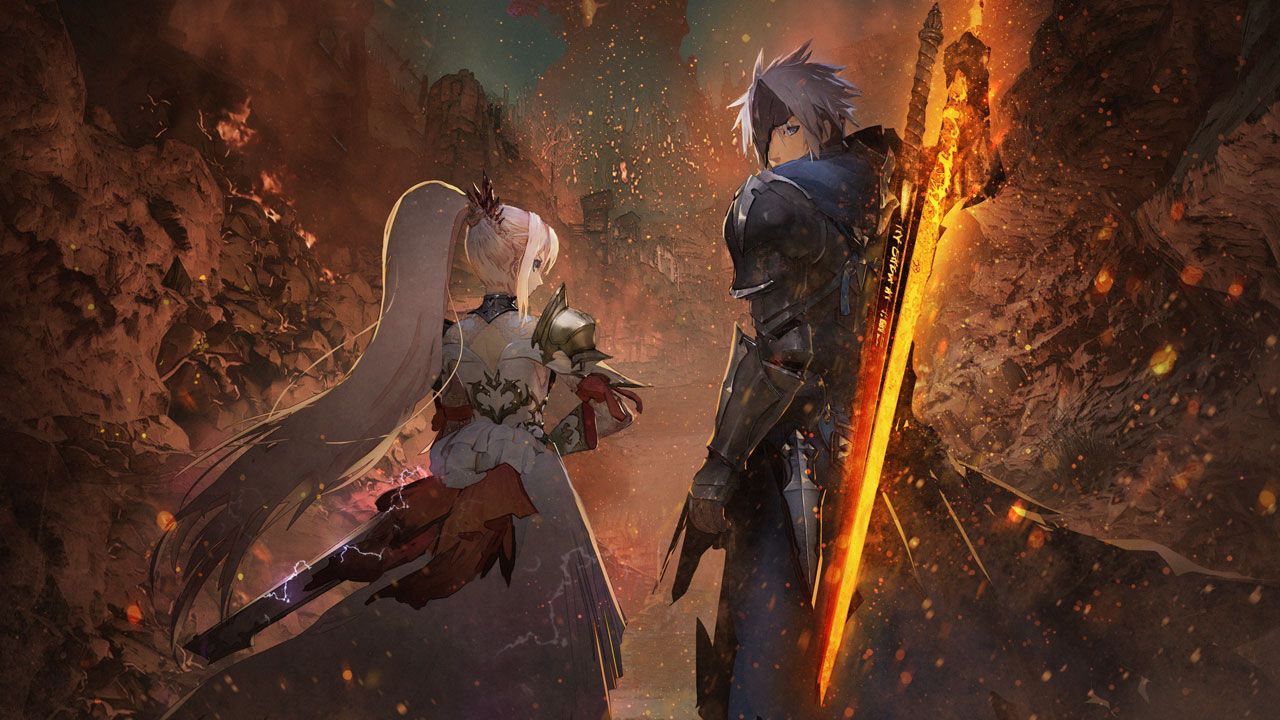
For Japan fans and Japanese learners, this one still has plenty to talk about, from its dark fantasy tone to its place in the long-running Tales series. Let me show you why the Switch release matters, even if the result doesn't fully land.
![Dragon Ball Z: Kakarot [Master Edition]](https://s.pacn.ws/1/p/1eh/dragon-ball-z-kakarot-master-edition-908785.1.jpg?v=t8ja8t&width=400)


Tales of Berseria Remastered on Switch, a darker Tales return
Tales of Berseria first arrived in 2016 in Japan, developed by Bandai Namco Studios and published by Bandai Namco Entertainment. It was never the brightest entry in the series, and that's exactly why many fans remember it, because Velvet Crowe is written with real anger, grief, and purpose.

On paper, a remaster for Nintendo Switch sounds like easy comfort food for JRPG fans. A stylish combat system, a strong lead, and a story that leans into revenge instead of heroism, that should be a winning combo. But as this 5/10 review from Cubed3 points out, the port doesn't always respect the hardware, and that's where the excitement starts to wobble.
Nintendo Switch port quality, where the cracks show
Let's be honest: the Switch is a brilliant home for JRPGs, but only when the port team does the work. Tales of Berseria Remastered doesn't always feel tuned for handheld play, and that matters a lot on a system people often use on the sofa, on a train, or during a lunch break. If a game stutters, blurs, or feels less responsive, the portable dream falls apart fast.
The review's low score comes down to more than just visual cuts. No exaggeration: if the remaster doesn't deliver a sharp enough image, stable enough performance, and modern comfort features, then it starts to feel like a half-step rather than a real upgrade. On Nintendo Switch, that hurts extra because players are used to polished JRPG ports from the likes of Square Enix, Atlus, and even older Tales entries that have learned to behave better over time.
What players usually want from a remaster
Seriously though: when a JRPG gets remastered, fans expect more than a cleaner logo and a higher price tag. They want faster loads, better textures, quality-of-life changes, and a reason to revisit 40 to 60 hours of story and battle systems. If those basics aren't strong, the whole release feels shaky.
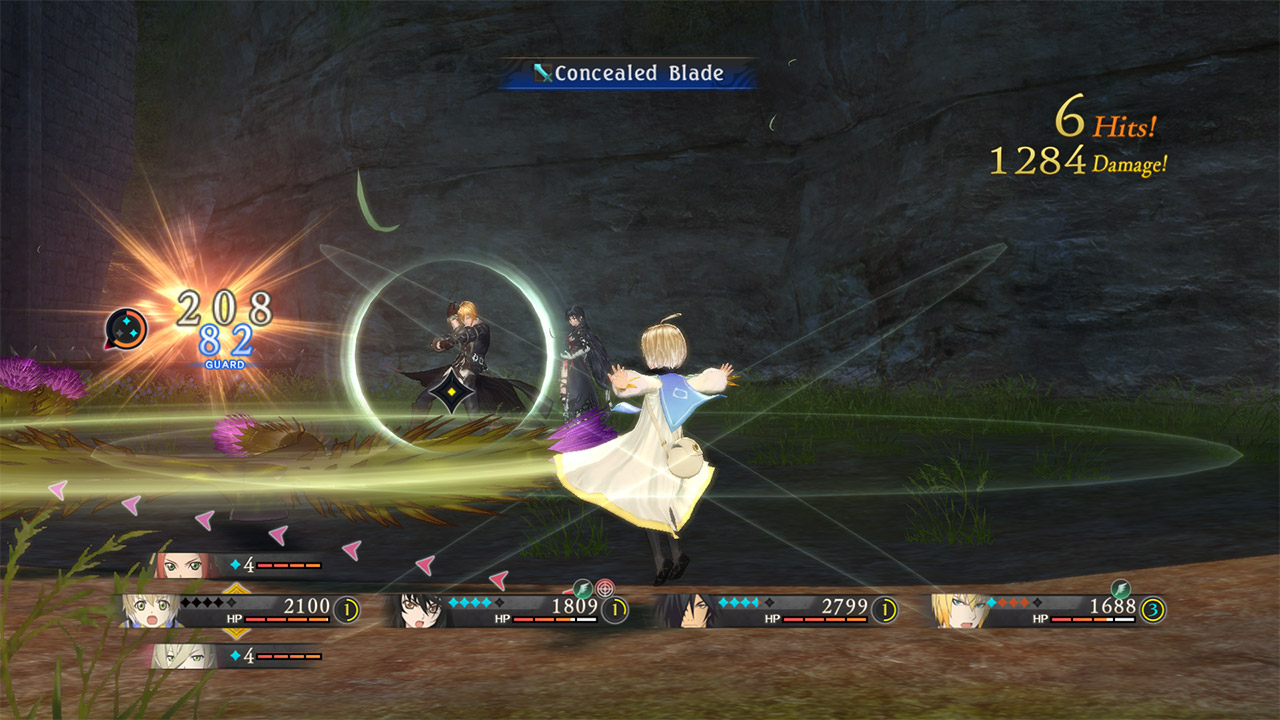
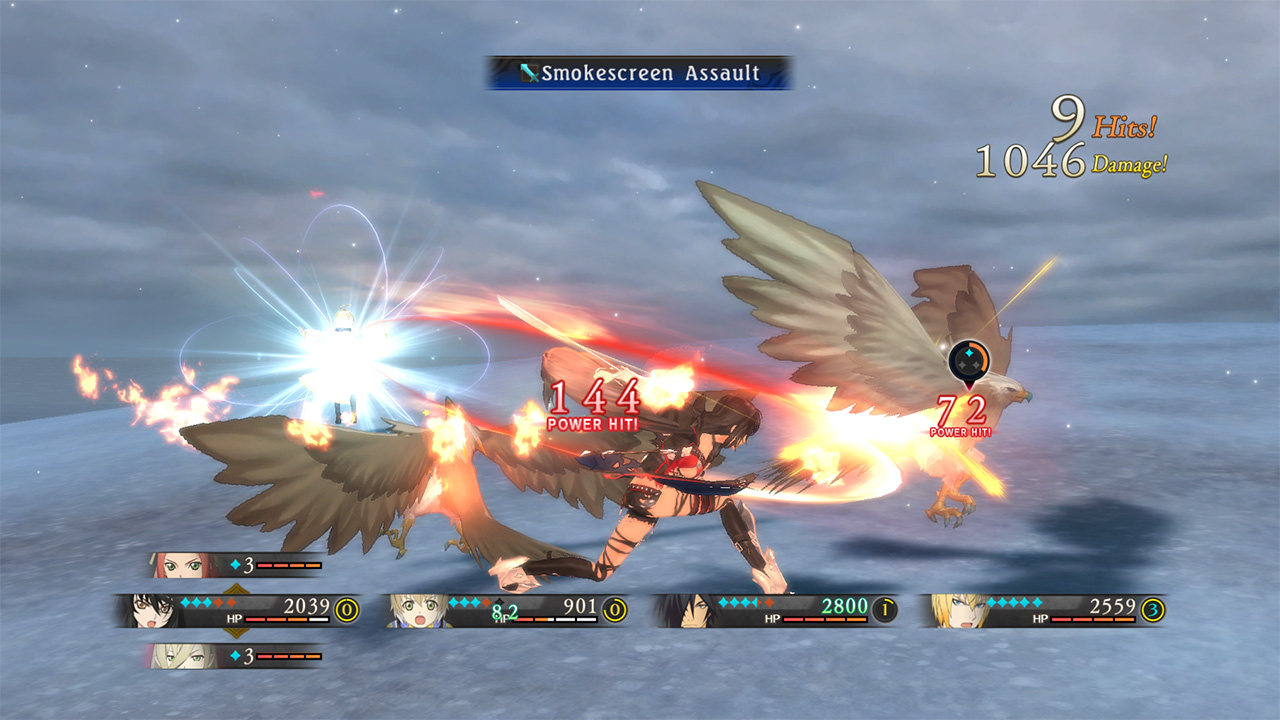
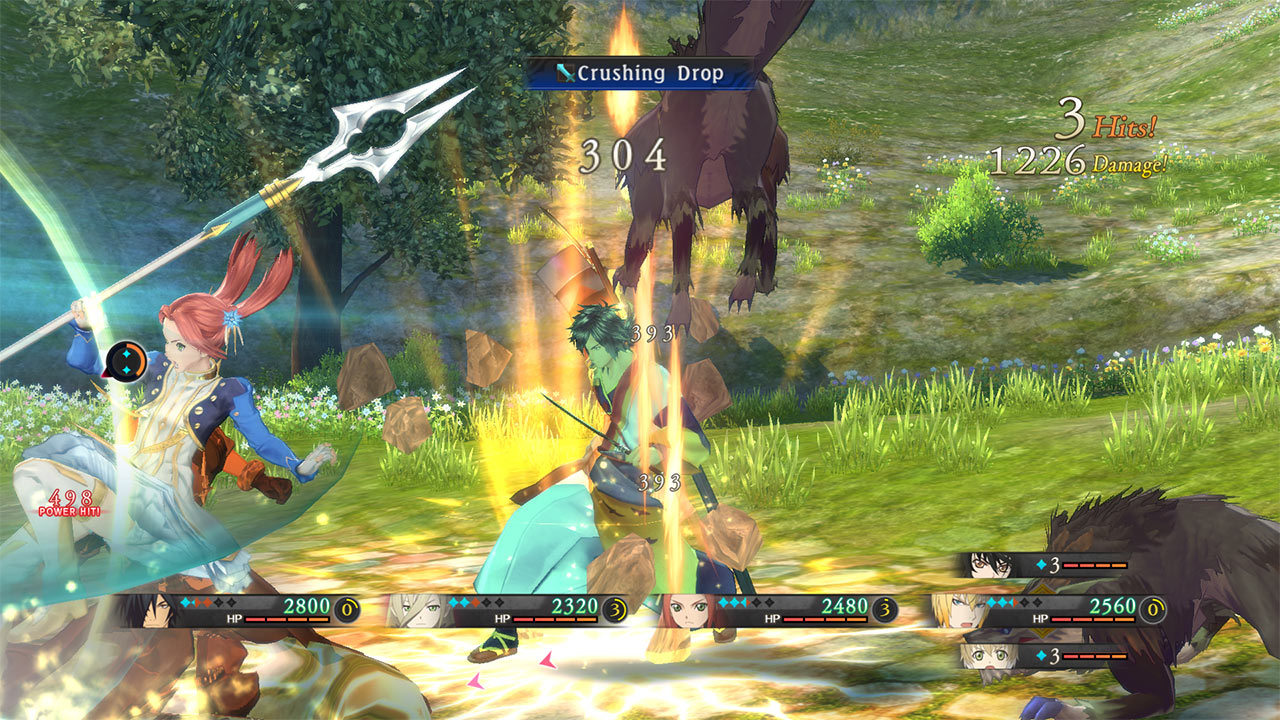
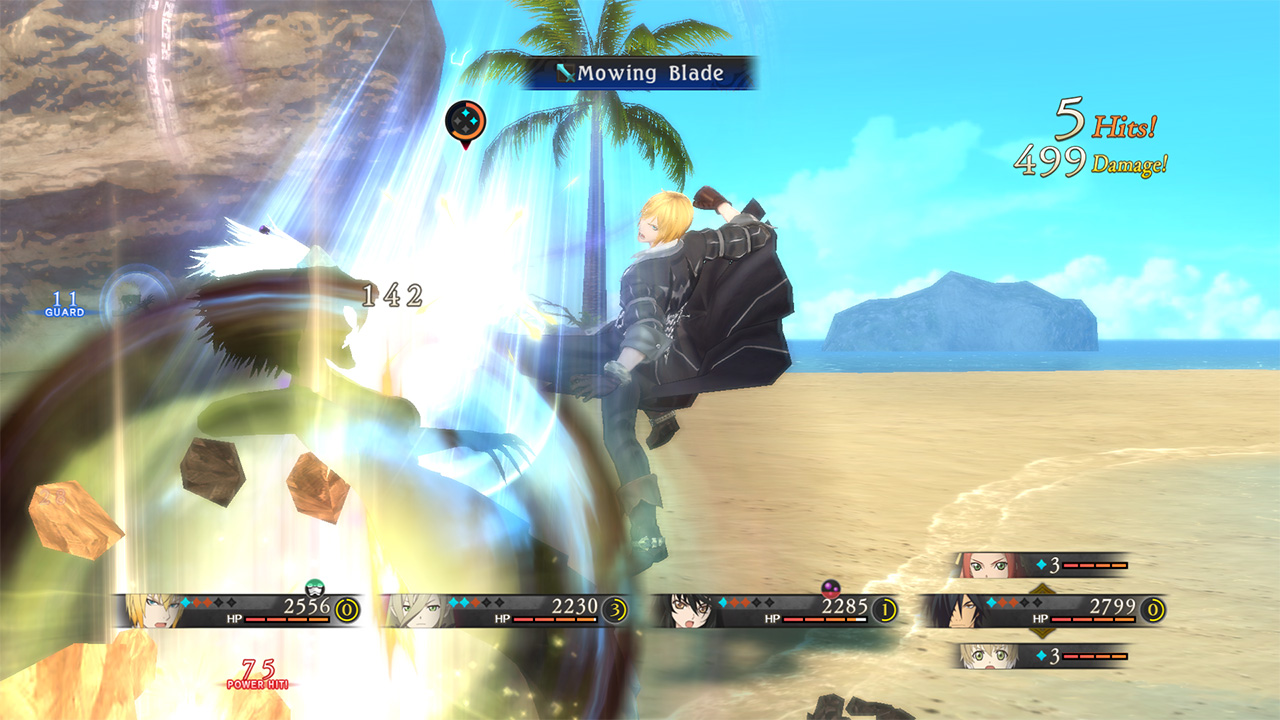
In Berseria's case, the battle system itself is still a highlight, with fast chain-based combat that rewards aggression and timing. That part aged better than many people expected. Personally, I think that's the main reason the game still gets talked about, because a strong core can survive a lot of rough edges. From my experience, JRPG fans forgive a lot when the characters and combat are memorable.
Why the story still matters for Japan fans
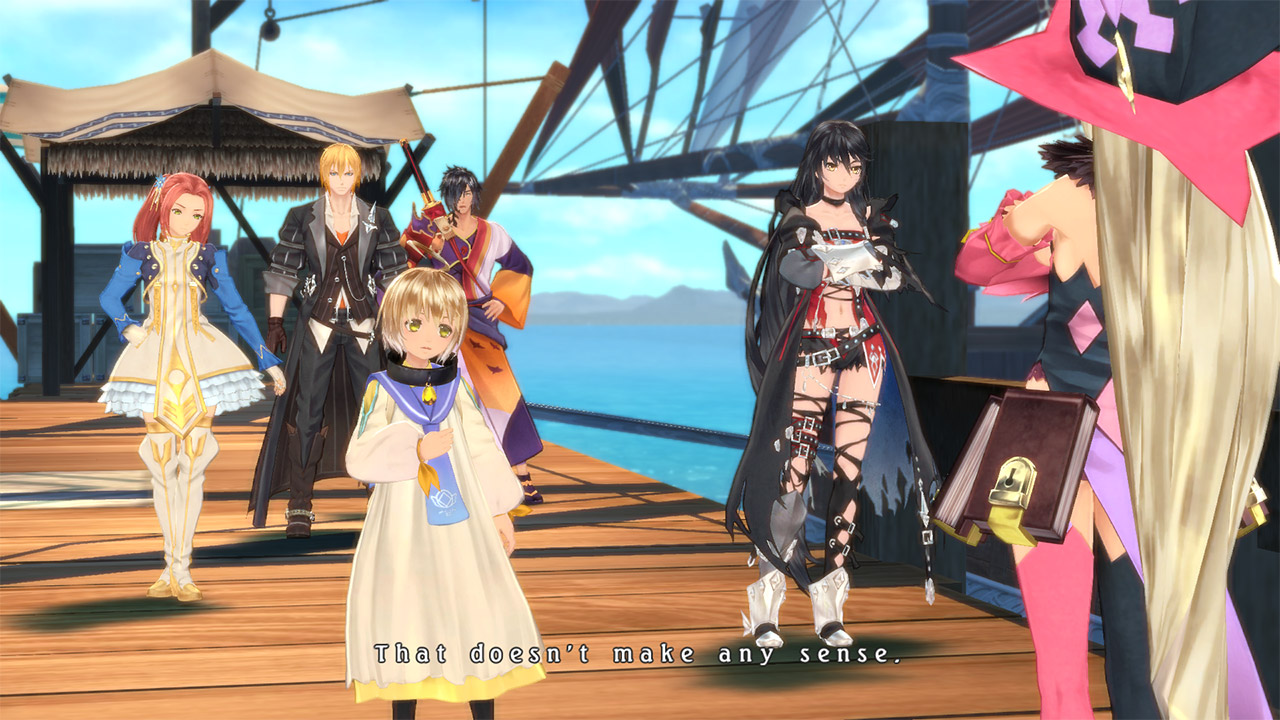
A great example: Velvet Crowe is one of the more striking protagonists in the modern Tales lineup, because she's not polished, cheerful, or designed to be universally lovable. She feels wounded, and the script lets that emotion stay messy. For fans of Japanese games, that's a big part of the appeal, since so many classic series balance bright art with heavy personal drama.

The broader world of Berseria also connects well with players who enjoy the language and cultural feel of Japanese RPG writing. Terms like honour, loyalty, revenge, and fate keep coming back, and they map neatly onto the kinds of words learners often notice in translated JRPG dialogue. If you're studying Japanese in romaji, this is the sort of game where you'd naturally start picking up patterns in tone and character speech, even if you're playing in English.
And it gets better: the title itself sits inside the long Tales tradition of party chemistry, skits, and dramatic banter. That structure is part of why the series has a loyal following in Japan and abroad. Classic Japan, isn't it? Big feelings, strong personalities, and a story that wants to hit harder than the average fantasy romp.
So, is Tales of Berseria Remastered worth the rerun?
Here's the thing: if you're already a Berseria fan, you'll probably still find value here, especially if you want portable access to a story you like. But if you're coming in cold, the Switch version needs to justify itself as more than a convenience port, and the 5/10 review says it doesn't quite manage that.
My tip: wait for a sale unless you're desperate to replay Velvet's story on the go. That way, you can enjoy the writing and combat without feeling burned by the technical trade-offs. If you mainly care about the narrative, this is still a solid JRPG with attitude. If you care about polish, the remaster may leave you wishing Bandai Namco had done more.
No joke: the safest verdict is that Tales of Berseria Remastered is for committed fans first, curious Switch owners second, and everyone else after a discount. The story still has bite, the party still bickers in all the right ways, and the setting still gives off that moody fantasy charm. But on Nintendo Switch, the port quality keeps it from becoming an easy recommendation. Personally...
For jpnerd.com readers, this is a useful reminder that a remaster is only as good as its execution. A beloved JRPG can survive years of age, but a weak port can make even a cult favourite feel a bit tired. If you want more Japan culture and gaming coverage, more Japan news on jpnerd.com.
In pictures
Frequently Asked Questions
Is Tales of Berseria Remastered on Switch good for newcomers?
It is playable for newcomers, but the port issues make it harder to recommend as a first pick.
Is the story still the main reason to play it?
Yes, the story and characters are still the strongest parts of the game.
Should fans buy it at full price?
Most fans should wait for a discount unless they really want it on Switch right away.

