
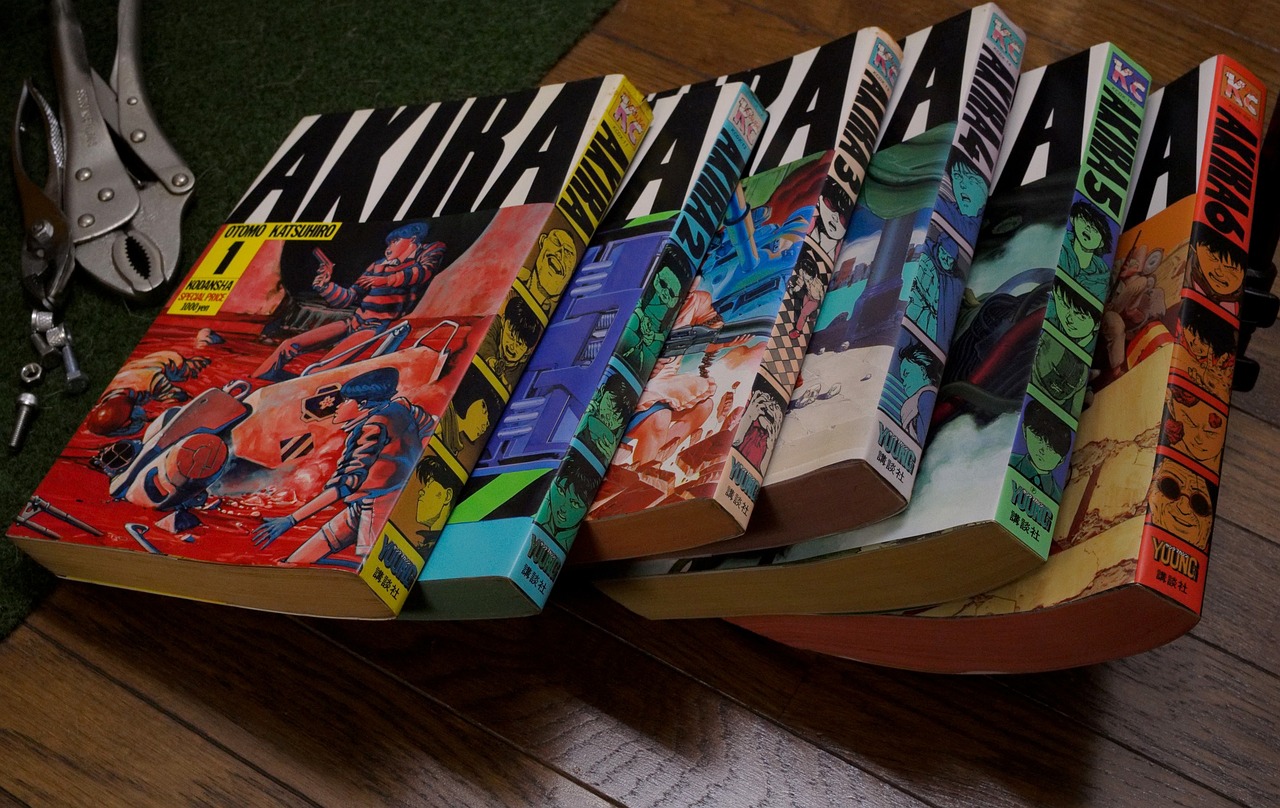
Why Shonen Jump Is More Than Just a Manga Magazine
You know that feeling when you pick up an old magazine and realize you're holding a piece of history in your hands? That's exactly what Weekly Shonen Jump — or 週刊少年ジャンプ (Shūkan Shōnen Janpu, Weekly Boys' Jump) in Japanese — does to the people who grew up with it. Published by Shueisha since 1968, it was the launchpad for Dragon Ball, Naruto, One Piece, and Demon Slayer: without question, the four biggest 漫画 (manga, comic) franchises on the planet. At its peak in 1994 and 1995, it sold over 6.5 million copies per week. Per week.
![Tennis World Tour 2 [Complete Edition]](https://s.pacn.ws/1/p/11f/tennis-world-tour-2-complete-edition-673815.6.jpg?v=qsiqxt&width=400)

But here's the catch: those numbers also mean that most issues aren't rare at all. The Japanese secondhand market is flooded with Jump volumes from the '80s and '90s. Walk into any ブックオフ (Bookoff, secondhand bookstore chain) or local recycle shop and you'll find stacks of them going for 50 to 100 yen. The rarity game only starts when you go hunting for very specific issues — and that's where things get genuinely interesting.
Quick side note: if you're learning Japanese, Shonen Jump is actually one of the best reading tools out there. The 振り仮名 (furigana, phonetic readings printed above kanji) make it accessible even at an intermediate level, and the dialogue in sports and action manga tends to be punchy, short, and packed with everyday slang. Not bad, right?
What Makes a Shonen Jump Issue Genuinely Rare?
Not every old Jump is a collector's item. You need to understand what drives value before you start digging through boxes.
First Appearances and Debut Chapters
The holy grail for most collectors is the issue containing the first chapter of a legendary series. Jump Issue 14 from 1984 holds the debut of Akira Toriyama's Dragon Ball. Issue 52 from 1999 is where Tite Kubo introduced Bleach for the very first time. These debut issues — known among collectors as 創刊号 (sōkangō, first/debut edition) or first-publication numbers — can fetch tens of thousands of yen even in poor condition. In near-mint shape, prices on Japanese auction platforms Mercari and Yahoo Auctions Japan regularly climb past 30,000 to 50,000 yen for the most coveted copies.
Limited Print Runs and Special Editions
A great example is certain issues from the late 1960s and early 1970s that have only survived in tiny numbers. Back then, the magazine was genuinely disposable. People read it, passed it on, and threw it away. Nobody thought about preservation. Print runs were also lower in Jump's early years, before the 1980s boom kicked in. Finding a copy from 1968 or 1969 in any readable condition is the kind of thing that makes collectors go quiet for a moment.
There are also special commemorative editions, anniversary issues, and issues with rare pull-out posters or promotional cards that original readers removed. An issue that still has its original insert intact is worth considerably more than one without.
Where to Actually Search in Japan
Let me show you why the hunt itself is half the fun. Japan has an incredible infrastructure for secondhand goods, and if you know where to look, you can spend an entire day working through the layers.
Bookoff and Recycle Shops
Bookoff is the obvious starting point. With over 800 locations across Japan, it's the country's largest secondhand book chain. Prices are standardized and often low, but rare finds do slip through — especially in smaller regional branches where staff may not have recognized the value of an older item. My tip? Always check the unsorted bargain bins near the entrance. Those are the boxes the staff haven't gotten around to pricing yet, and that's exactly where the surprises happen.
Nakano Broadway and Akihabara
For serious collectibles, 中野ブロードウェイ (Nakano Burōdowei, Nakano Broadway) in Tokyo is the destination. The upper floors are home to dozens of small specialty shops dealing exclusively in vintage manga, anime goods, and rare publications. Prices here reflect actual market value, so don't expect bargains. Even so, you'll find things that simply don't surface anywhere else. Mandarake, which operates across several floors within Nakano Broadway, regularly stocks vintage Jump issues with condition ratings and detailed pricing.
秋葉原 (Akihabara, Tokyo's electronics and pop culture district) has its own cluster of collector shops, though the focus there leans more toward anime merchandise. It's still worth spending a few hours exploring.
Yahoo Auctions Japan and Mercari
No joke — some of the best finds happen online. Yahoo Auctions Japan, known in Japanese as ヤフオク (Yahuoku, Yahoo Auctions), is the dominant platform for high-value collectibles. Mercari caters to casual sellers who may not know exactly what they have. If you're hunting from outside Japan, services like Buyee offer proxy purchasing and can handle international shipping. From my experience, the best approach is to set up saved searches for specific issue numbers and check back every few days — that beats any single shop visit hands down.
The Collector Community Around Vintage Jump
Did you know there's a surprisingly active community of Jump collectors both in Japan and internationally? Japanese collectors share their finds on Twitter and in personal notes, while English-speaking fans gather in communities on Reddit, including threads in subreddits like r/manga, where vintage finds regularly spark lively discussion.
What I especially love about this corner of the hobby is how it connects language learning with cultural history. Reading the original Japanese text in a Jump issue from the 1980s means running into vocabulary, jokes, and cultural references that modern manga simply doesn't carry anymore. It's a time capsule and a language lesson rolled into one.
The video that recently generated a lot of interest in hunting rare Jump issues among English-speaking fans comes from a YouTube deep dive into Japan's secondhand manga market, and it's well worth watching before your next trip. It brilliantly captures the feeling of flipping through old stock in a cramped Tokyo shop.
My takeaway? If you're planning a trip to Japan and have even a passing interest in manga history, it costs nothing extra to work a few collector shop visits into your itinerary — and you just might find something truly special. The rarest Shonen Jump issues won't come to you, but they are out there.
For more stories from the world of Japanese pop culture, check out more Japan news on jpnerd.com.
Frequently Asked Questions
Which Shonen Jump issue is considered the rarest and most valuable?
Issues from 1968 and 1969 in readable condition are among the scarcest due to low original print runs and poor preservation. First-chapter issues of Dragon Ball (1984, Issue 14) and early Bleach (1999, Issue 52) are the most actively sought by collectors and regularly sell for 30,000 yen or more on Japanese auction platforms.
Where is the best place to find rare Shonen Jump magazines in Japan?
Mandarake in Nakano Broadway is the top destination for verified rare copies. Bookoff branches in smaller cities occasionally yield surprises at low prices. Yahoo Auctions Japan and Mercari are the best online sources, with proxy services like Buyee available for international buyers.
Can reading old Shonen Jump issues help with learning Japanese?
Yes. Most Jump manga includes furigana above kanji, making it accessible to intermediate learners. Older issues also expose readers to period-specific slang, cultural references, and speech patterns that add real depth to Japanese language study beyond textbook material.

