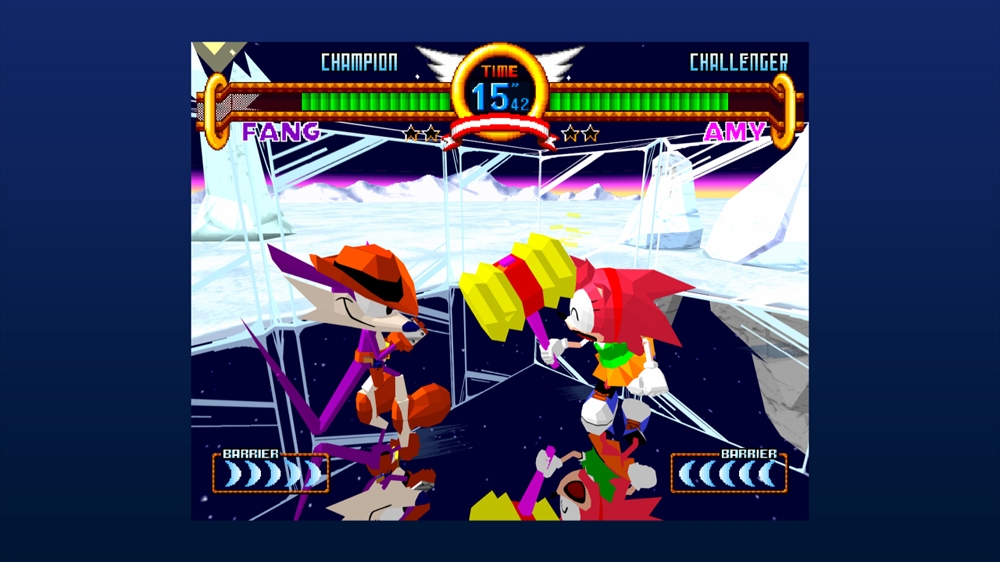
SEGA Universe: more than one mascot
Did you know that Sonic the Hedgehog first raced onto consoles in 1991? Sega also shaped arcade culture with classics like Virtua Fighter (1993) and brought sci-fi RPGs to consoles with Phantasy Star (1987). The Mega Drive, known as Sega Genesis outside Japan, launched in 1988 in Japan and 1989 in North America, and it still defines an era for many fans.
![Dragon Ball Z: Kakarot [Master Edition]](https://s.pacn.ws/1/p/1eh/dragon-ball-z-kakarot-master-edition-908785.1.jpg?v=t8ja8t&width=400)


Trust me on this one: the SEGA universe spans arcades, consoles and modern studios like Ryu Ga Gotoku Studio, which released the first Yakuza game in 2005. Sega itself reorganised into Sega Sammy Holdings in 2004 after merging with Sammy, showing how Japanese companies evolve to protect their brands.
Legacy of the brands: care and continuity
Ever had that feeling when a childhood soundtrack brings back a whole season of your life? Sega treats its IPs like that, curating music, packaging and physical releases. To be fair, Sega launched the Sega Forever program in 2017 to re-release classics on mobile, and later teamed up with M2 for the Sega Ages series on Nintendo Switch starting in 2018, showing a clear pattern of brand care.
On a related note, Japanese companies often maintain legacy through limited runs, museum exhibits, and local events. You can see this in Sega's collaborations with arcade refurbishers, reissued mini consoles, and curated collections that target collectors in Tokyo and beyond. What I especially like is that these releases often include original manuals and box art, perfect for collectors and language learners alike.
Why brand care matters in Japan
Hand on heart, Japanese fans expect high attention to detail. This means restorations are faithful, packaging is collectible, and community ties are nurtured through fan events like small-scale exhibitions in 秋葉原 (Akihabara, Akihabara district) or 上野 (Ueno, Ueno district). See what I mean?
Initiative to highlight the back catalogue (2026)
So, what does Sega's 2026 initiative actually do? According to reports, the program combines digital re-releases, physical box collections, archival exhibits and targeted marketing to reintroduce older franchises. The German report on jpgames.de covers the initial announcement and quotes Sega insiders on cross-brand promotion. jpgames.de is a good first read.
Here's the catch: the initiative isn't just nostalgia farming; it's tactical. While we're at it, expect curated collections with developer interviews, emulated arcade boards, and remastered soundtracks. Sega's previous efforts, like Sega Forever and Sega Ages, provide models. Sega Forever launched in 2017 and Sega Ages saw new work on Switch in 2018, both tied to preserving technical and musical assets.
What fans and learners can expect
No joke, remasters often include original language options and English translations, making them useful tools for 日本語 (nihongo, Japanese language) practice. My tip is to use original game menus and manuals to study ローマ字 (romaji, romanized Japanese) and period-specific vocabulary, and compare them with new translations to see how localisation has changed.
This brings us to community impact, collectors and small businesses. Small arcades, retro shops and 同人 (doujin, fan-made self-published work) stalls gain momentum when big names like Sega put legacy titles back into circulation. My verdict? This benefits both fans and the wider culture.
How this helps Japan learners and enthusiasts
I still remember exactly how playing an old JRPG taught me family vocabulary and date formats, because manuals list release dates and credits. Hand on heart, games are immersive textbooks for casual learners. Titles with preserved liner notes or translated interviews are perfect for building context around words, cultural norms, and media history.
Trust me on this one: following Sega's museum posts, reading press releases, and listening to remastered tracks are simple steps to mix language learning with pop culture. My tip? Make a playlist of 80s and 90s game music, label tracks in romaji, and practise shadowing short interview clips from developers.
Frequently Asked Questions
What is this Sega initiative about?
It aims to reissue and promote Sega's back catalogue through remasters, physical collections and events, starting in 2026.
Will these re-releases have English options?
Many recent Sega re-releases include English menus and localisation, but availability varies by title and region.
Sources
- jpgames.de article on Sega initiative (German)
- Sega company overview
- Sega Forever (2017)
- Sega Ages (M2 collaboration)