From Onsen Village to Konbini Shelf: The Story Behind COCO de BAR
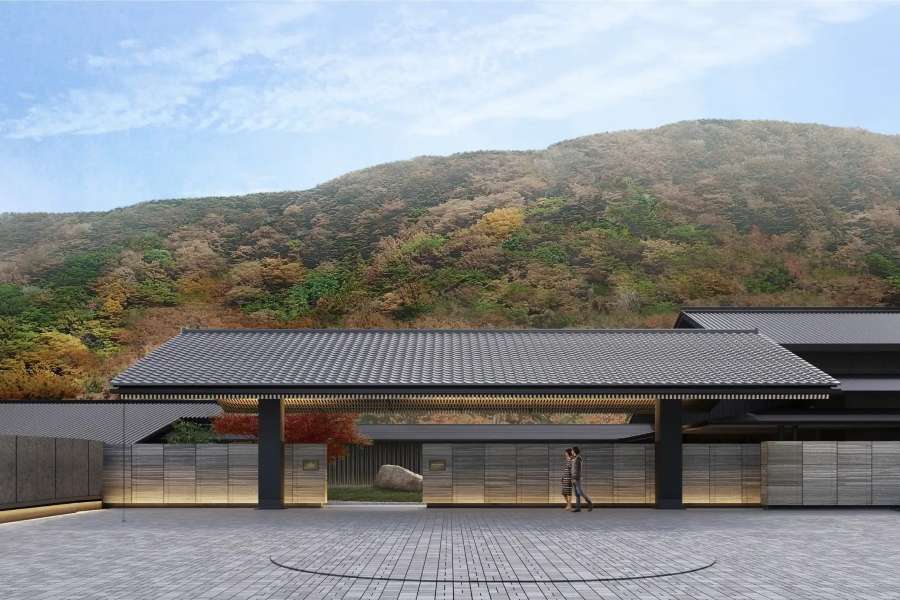
Nozawa Onsen is the kind of place that most visitors discover through skiing. Tucked into the mountains of northern Nagano Prefecture, the village, known as 野沢温泉 (Nozawa Onsen), has been famous for its thermal baths and old-school atmosphere for centuries. The idea that a world-class gin distillery would set up shop there sounds unlikely. It may seem strange, but it's true.
Nozawa Onsen Distillery was founded with a clear vision: use the region's exceptionally pure mountain water and locally sourced botanicals to create craft spirits that truly reflect their surroundings. That philosophy paid off. The distillery has picked up international awards that put it on the map well beyond Japan's borders, earning recognition in competitions where Japanese craft spirits are still a relative novelty.
Now, the distillery is taking a bold step. Its gin-based canned cocktail, COCO de BAR, is going on sale nationwide at Lawson, one of Japan's big three convenience 店 chains. For a small-batch producer from a mountain onsen town, that's a massive distribution leap.
What Is COCO de BAR, and Why Does It Matter?
Gin cocktails in a can aren't new in Japan. The chuhai and RTD (ready-to-drink) category is enormous, and every major beverage company has something on the shelf. Here's the catch: most of those products come from industrial breweries with no particular story behind them. COCO de BAR stands out in its origin, and that difference is worth paying attention to.
The drink is built around the distillery's own gin, which uses botanicals carefully selected to complement the clean, mineral-rich water from the Nozawa Onsen area. The name COCO de BAR plays on the Japanese word ここ (koko), meaning "here" or "this place," combined with the French-inflected "de BAR," giving it a feeling of bringing the bar experience directly to you. It's a clever piece of branding that rewards language learners who catch the double meaning.
What I especially like: the product doesn't pretend to be something mass-produced. It carries the identity of its origin, and that's increasingly rare when craft products scale up to convenience store distribution.
Gin in Japan: A Craft Scene Worth Knowing
Did you know that Japan's craft gin scene has exploded since around 2016? Distilleries like Ki No Bi in Kyoto and Nikka's Coffey Gin helped put Japanese gin on the international radar, and smaller producers across the country followed. Nozawa Onsen Distillery is part of that second wave, producers who are deeply regional in their approach and serious about quality. The Japanese term for this kind of locally rooted production philosophy is 地産地消 (chisan chishou), which roughly translates to "produce locally, consume locally." Seeing that mindset applied to craft spirits is genuinely exciting.
Why the Lawson Partnership Is Such a Big Deal
Lawson operates over 14,000 stores across Japan. Getting a product onto those shelves isn't just a distribution deal. It's a statement about reach, about who gets to discover your brand. Most people who pick up a COCO de BAR at their neighbourhood Lawson won't know anything about Nozawa Onsen Distillery's award history. They'll just see a nicely designed can and give it a try.
To be fair: that's exactly how great regional products build a national audience. Japan's konbini culture, the world of コンビニ (konbini), is a genuine discovery engine. Seasonal and limited products move fast, and word spreads through social media, through office conversations, through the quiet ritual of grabbing something new on the way home. On the flip side, the konbini shelf is brutally competitive. Only products that hold their own survive past the initial listing period.



From my experience browsing Japanese convenience stores on every trip, the products that genuinely stand out are always the ones with a real story behind them. A craft gin from a famous hot spring village, internationally decorated, now sitting between an Asahi can and a Suntory chuhai? That's a standout story.
How to Talk About This If You're Learning Japanese
While we're at it, this is actually a nice vocabulary moment for Japanese learners. The word 蒸留所 (jouryuusho) means distillery. 温泉 (onsen) you probably already know, hot spring. 全国販売 (zenkoku hanbai) means nationwide sales, and you'll see that phrase in Japanese press releases constantly when a regional product goes big. These aren't just vocab drills. They're the words you'd actually read in a Japanese news article about this story, like the one published by Shinmai.co.jp covering the launch.
Insider tip: following Japanese regional food and drink news is one of the best ways to build practical reading skills while actually caring about the content. The vocabulary is specific, the sentences are short and factual, and the cultural context keeps you engaged.
Should You Go Out of Your Way to Find It?
Seriously though: is COCO de BAR worth hunting down at your nearest Lawson? If you're in Japan and you have any interest in craft spirits or regional products, yes. Absolutely. The combination of a real distillery pedigree, a distinctive origin story, and the accessibility of a canned format makes it an easy recommendation.
Take the distillery's award credentials, for instance. International recognition in the craft spirits world isn't handed out casually. It reflects consistent quality in production, and that quality should carry through into the canned product, since the base gin is the distillery's own.
Highly recommended: if you're planning a trip to Nagano, consider actually visiting Nozawa Onsen itself. The village is small, genuinely atmospheric, and the combination of traditional onsen culture with a modern craft distillery is the kind of contrast that makes Japan endlessly worth exploring. The 外湯 (sotoyu), the public outdoor baths that are free to use for visitors, are reason enough to go on their own.
My verdict: COCO de BAR landing at Lawson is a win for craft producers everywhere in Japan. It shows that regional, quality-first brands can scale without losing their identity. Pick one up, read the label carefully if your Japanese is up to it, and raise a quiet toast to a hot spring town that decided to make excellent gin.
Frequently Asked Questions
Where can I buy COCO de BAR in Japan?
COCO de BAR is available nationwide at Lawson convenience stores across Japan. With over 14,000 locations, finding a Lawson near you is rarely difficult.
Who makes COCO de BAR and where are they based?
COCO de BAR is produced by Nozawa Onsen Distillery, based in Nozawa Onsen village in Nagano Prefecture, a mountain hot spring town in northern Nagano known for skiing and traditional onsen culture.
Has Nozawa Onsen Distillery won any awards?
Yes. Nozawa Onsen Distillery has received international recognition for its craft spirits, placing it among Japan's noted boutique gin producers despite being based in a small regional village. 賞