
What an underground anime iceberg actually is
Did you know that an anime iceberg is a visual map of obscurity, with mainstream titles at the tip and deep cuts buried on lower tiers? No exaggeration: every level represents how rare, banned, or culty a title is, and some layers are home to films that got censored, lost, or only screened at niche film festivals.



It's early morning in Kyoto. Picture a late-night video shop with scratched VHS tapes from the 1980s and 1990s, handwritten labels, and weird cover art. The best part? Those dusty boxes often contain entries you'll never find on Netflix.
Key layers and what they tell you about Japanese culture
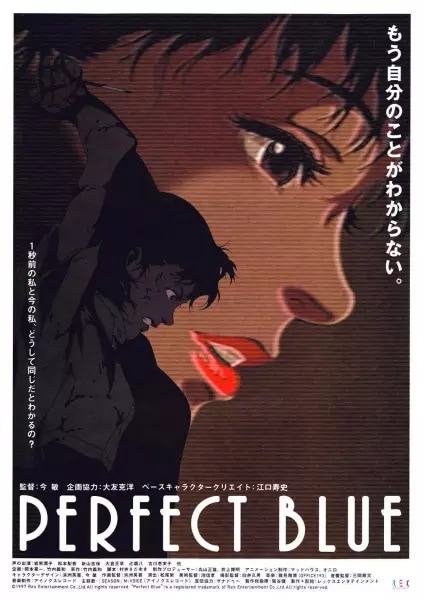
Perfect Blue is a useful starting point because it sits near the top of the iceberg, a crossover between cult and known. Released in 1997 and directed by Satoshi Kon, this film produced by Madhouse shows how psychological horror and celebrity culture intersect, giving learners concrete language to study, like 'アイドル (idol, pop idol)' vocabulary in ローマ字 (romaji, romanization).
I still remember exactly the first time I watched Angel's Egg at a midnight screening. Released in 1985 and directed by Mamoru Oshii, Angel's Egg is less about plot and more about atmosphere. That's why it crops up on many iceberg lists; it resists tidy summaries and invites debate about symbolism and religion in postwar art films.
Notorious deep cuts and bizarre titles
Ever had that feeling when you stumble on a title so strange you just have to stop and take notes? Tetsuo: The Iron Man, released in 1989 and directed by Shinya Tsukamoto, is live action but frequently appears on anime iceberg threads because of its industrial, body-horror aesthetic that inspired animation directors. Urotsukidoji, often dated to the late 1980s as a series of OVAs, is infamous for its エログロ (ero guro, erotic grotesque) content and is frequently cited in underground lists for its shock value and its role in the 1980s adult OVA boom.
Cat Soup and short-film oddities
By the way, Cat Soup, a 2001 short by Nekojiru, compresses surreal imagery into a 25-minute runtime. Short films like this are iceberg gold for people who study narrative compression and metaphor. Pro tip: take notes on recurring symbols, write down words in romaji, then look up their usage in context.
Where to find the bottom layers
You might have heard about banned screenings and lost tapes. Some bottom-tier entries were only shown at tiny screenings in Tokyo neighbourhoods like 高円寺 (Koenji, Kōenji neighborhood) and 下北沢 (Shimokitazawa, Shimokitazawa neighborhood) during the 1990s. The best part? Independent film fanzines from that era sometimes list these screenings, and collectors still trade bootlegs at niche conventions.
How to explore safely as a learner and fan
So, how do you watch disturbing titles without derailing your study routine? My tip is to limit sessions to one film or short piece a day, then rewatch with Japanese subtitles to pick up vocabulary in romaji. Classic Japan, right? You learn a lot about cultural moods and slang when creators push boundaries.
While we're at it, context matters. Read articles, check fan translations, and look up director interviews. For instance, Satoshi Kon's interviews around Perfect Blue give you phrases about film craft, and Tsukamoto often discusses body horror in interviews from the late 1980s.
What I especially like is joining niche communities. This YouTube video compiles layers and references, and Reddit threads in r/TrueAnime or r/ObscureMedia often point to specific releases. Link those posts, follow collectors, and catalogue what you find in a study journal.
Pro tip: when you note Japanese words, always write them in romaji first, then add timestamped examples. That makes review simple and avoids confusion when you switch devices. Sounds good, right?
Frequently Asked Questions
Is an underground anime iceberg safe to explore?
Short answer: mostly yes, but some entries include graphic or adult content. Check age ratings and community warnings before watching.
Where can I legally watch obscure titles?
Short answer: look at specialty distributors, film festival archives, and niche streaming services. Some works are region locked, so check availability.
Can these films help my Japanese study?
Short answer: yes. They expose you to colloquial speech, cultural references, and period-specific language, but combine them with structured study for the best results.
Sources
- Underground Anime Iceberg video
- Perfect Blue (1997) - Wikipedia
- Tetsuo: The Iron Man (1989) - Wikipedia

