
SEGA Universe Initiative and the new focus on retro IPs
Question: why is SEGA suddenly realigning so many of its older brands? The short answer is simple: SEGA sees value in its back catalogue and wants to connect decades of Japanese arcade heritage to today's publishing models.
![Dragon Ball Z: Kakarot [Master Edition]](https://s.pacn.ws/1/p/1eh/dragon-ball-z-kakarot-master-edition-908785.1.jpg?v=t8ja8t&width=400)

Fun fact: SEGA formally highlighted this strategy in recent messaging that places retro brands at the centre, referencing long-running franchises and legacy titles in a plan commonly called the SEGA Universe Initiative. NTower reported the initiative as a clear pivot toward catalog activation.
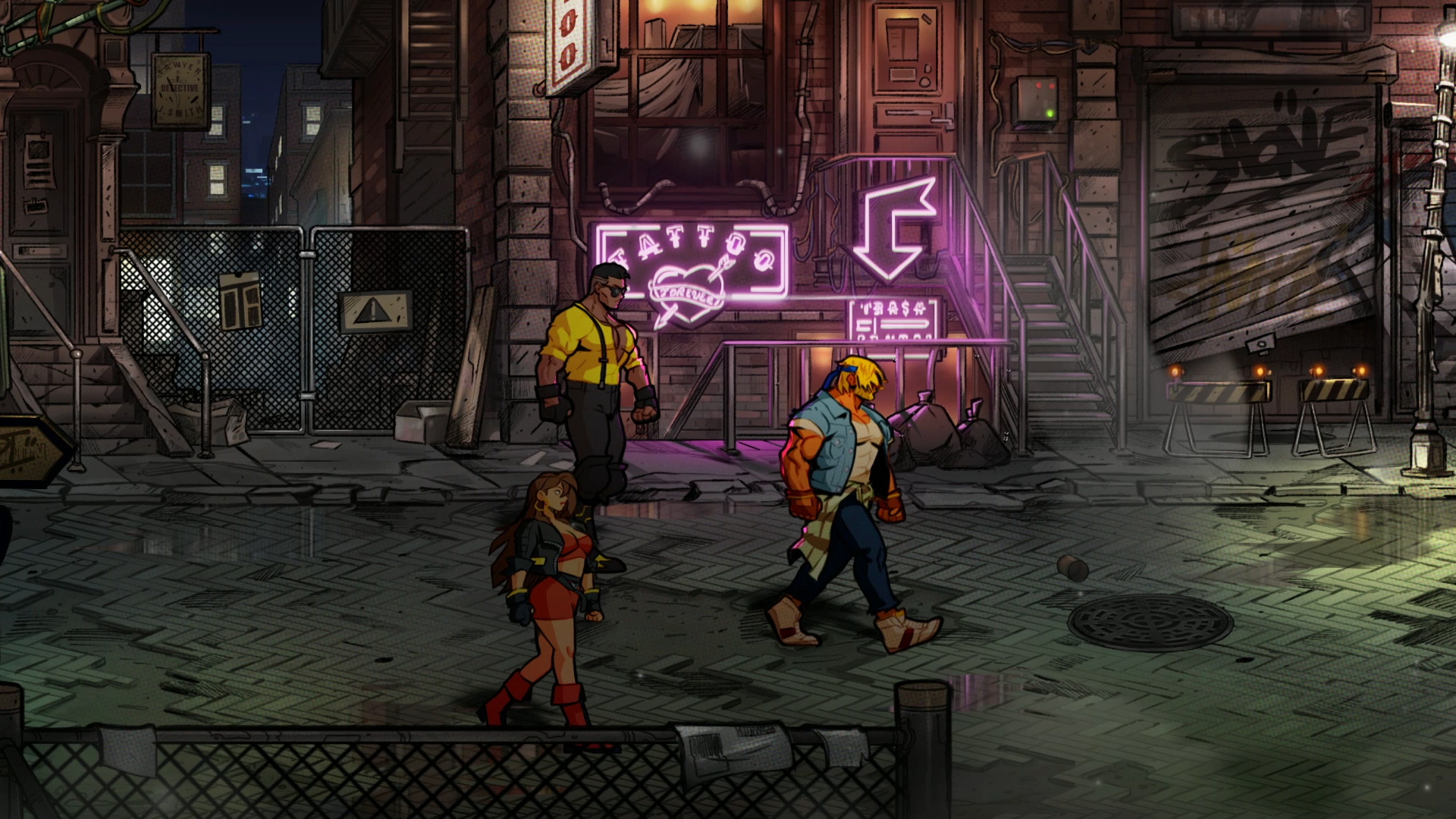
Did you know that SEGA's history stretches from coin-op arcades in the 1980s to modern multiplatform releases? OutRun first appeared in arcades in 1986, developed by Sega AM2 under Yu Suzuki, while Streets of Rage launched on the Mega Drive in 1991 and featured a soundtrack by Yuzo Koshiro. You know that feeling when a tune just takes you back? Those soundtracks are part of the IP value SEGA wants to monetise again.
To be fair, this isn't a random nostalgia play. SEGA has tested the waters repeatedly with projects like Sega Ages compilations and the 2020 release Streets of Rage 4, developed by Lizardcube, Guard Crush Games and published by Dotemu. Sales and media attention for these projects made an internal case for a broader retro strategy. My verdict? There’s a plan here, not a whim.
Why OutRun and Streets of Rage matter to Japanese gaming history
Imagine a narrow alley in Tokyo lined with game centres, the clack of buttons and the smell of retro cabinets. That atmosphere is where franchises like OutRun and Streets of Rage earned cultural weight in the 1980s and 1990s.
Let me show you why these series are perfect for revival. OutRun defined arcade driving with its selectable routes and cruising soundtrack; it influenced racing games from Daytona USA to modern arcade-styled racers. Streets of Rage helped define console beat-em-ups on the Mega Drive, and Yuzo Koshiro's electronic compositions still inspire remixes and fan covers on YouTube and Reddit.
And it gets better: these titles are recognisable across generations. They work well in remasters, collections, and even new sequels with retro aesthetics. This cross-generational appeal is a strategic advantage for SEGA in both Japan and overseas markets.
How SEGA is balancing retro authenticity and modern publishing
Quick detour: SEGA isn't just slapping old games on digital stores. The company often partners with specialised studios, like with Streets of Rage 4, which brought Lizardcube's pixel-art approach and Dotemu's publishing expertise in 2020.
While we're at it, consider technical teams like M2, who handled parts of the Sega Ages series for Nintendo Switch from 2018 onward. Their approach shows SEGA prefers careful emulation, added features such as save states, and new quality-of-life options rather than barebones ports. That approach increases appeal for both collectors and newcomers.
My tip? If you want to study authentic game localisation or period-specific terminology in 日本語 (nihongo, Japanese language) while enjoying these revivals, play older SEGA titles with Japanese language toggles when available. It’s a practical, enjoyable way to learn vocabulary tied to arcade culture and 1990s consumer tech.
OutRun and Streets of Rage: what's likely next
Did you know a new push could mean varied outputs: remasters, anthology collections, merch, and even licensed media? No wonder, because each franchise offers different monetisation paths. OutRun can be reissued as a deluxe collection with arcade and console versions, while Streets of Rage can expand into sequels, remixes, and soundtrack releases.
OutRun possibilities
Fact: OutRun's arcade and console history gives SEGA options. OutRun 2 was a major arcade entry in 1999, developed by Sega AM2, and OutRun 2006: Coast 2 Coast (2006) found new audiences via consoles. A curated anthology with original arcade code and updated visuals would please both purists and modern players.
Streets of Rage possibilities
Direct address: if you loved Streets of Rage 4 in 2020, expect more collaborations. The 2020 release showed that a well-crafted sequel can perform well commercially and critically. What I especially like are revivals that respect the original music and level design while adding modern combat mechanics.
This is my absolute hidden gem! SEGA’s retro-first effort doubles as a cultural lesson in how Japanese game studios preserve and repurpose legacy art. For language learners, these releases are treasure troves for listening practice and contextual vocabulary in ローマ字 (romaji, Romanization; Roman letters).
Frequently Asked Questions
What is the SEGA Universe Initiative?
It is SEGA's current push to bring older franchises and retro brands back into focus through remasters, collections, and new releases.
Which franchises are being prioritised?
SEGA has highlighted classical titles such as OutRun and Streets of Rage among other legacy brands.
Will these revivals help with learning Japanese?
Yes, playing Japanese versions and listening to original soundtracks can help with listening practice and learning cultural vocabulary in romaji.
Sources
- NTower report on SEGA Universe Initiative
- Out Run (1986), Wikipedia
- Streets of Rage 4 (2020), Wikipedia
- Dotemu, Streets of Rage 4


