
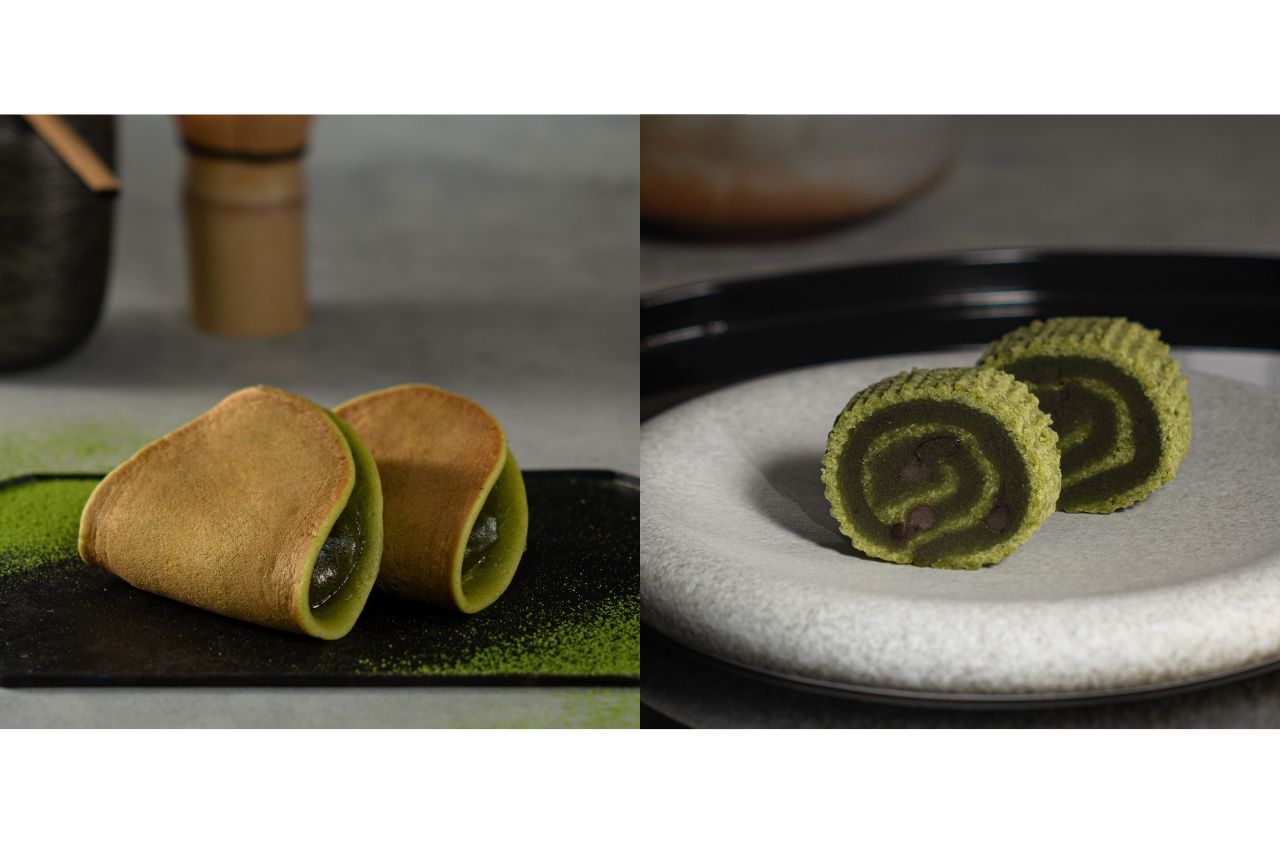
Tsuruya Yoshinobu: Kyoto wagashi with Uji roots
Ever wondered why Tsuruya Yoshinobu keeps appearing in Kyoto food guides? The company is based in Kyoto and has a reputation for seasonal 和菓子 (wagashi, Japanese sweets) tied to local ingredients. Now, they’re focusing clearly on 宇治 (Uji, Uji) 抹茶 (matcha, green tea powder) for this spring launch. Let's be honest: Kyoto names carry weight when it comes to tea and sweets, and Tsuruya Yoshinobu leans into that history.



Basically, the firm's new sweets are presented as a Kyoto story, not just a product drop. The April 2026 timing matches the 桜 (sakura, cherry blossom) season atmosphere in Kyoto and Uji, making these items timely for visitors and locals alike. Sounds good, right?
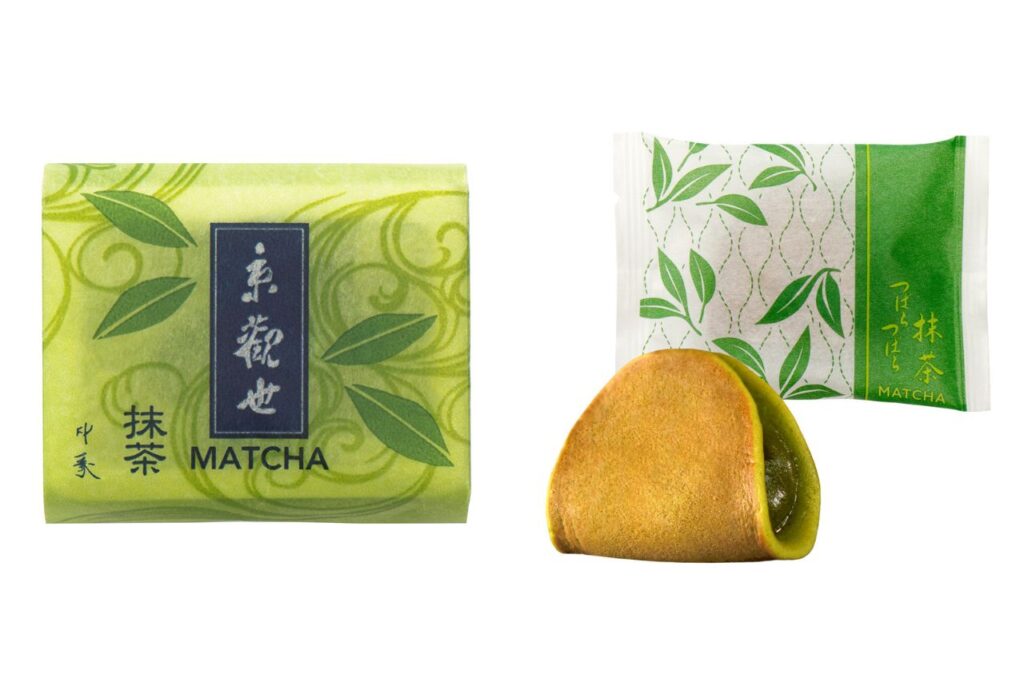
What makes Uji matcha special for wagashi
Fact: Uji, a city in Kyoto Prefecture, is one of Japan's most celebrated tea-producing areas, and matcha from Uji is prized for its deep umami and bright green colour. Fun fact: tea cultivation in Uji dates back centuries, and using Uji matcha in wagashi instantly signals quality to tea lovers and language learners exploring Kyoto food culture. Convinced yet?
Unlike what we're used to with generic matcha-flavoured treats, these sweets emphasise a balance between matcha bitterness and traditional wagashi sweetness, pairing well with sencha or a second pour of matcha. My tip: when you try such sweets, say wagashi and omiyage out loud to practice romaji vocabulary and connect taste with language learning.
The April 2026 launch: two new wagashi from Uji matcha
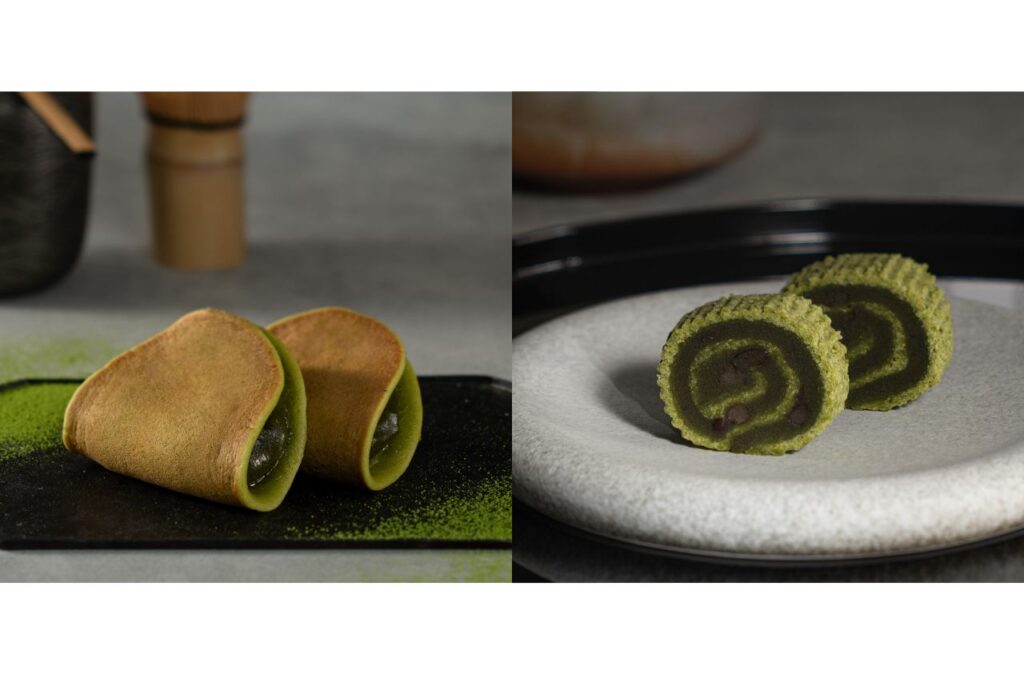
Question: what exactly is arriving in April 2026? According to a report on Leaf Kyoto, Tsuruya Yoshinobu announced two new Uji matcha sweets set to appear in early April 2026. Here's the kicker: the release is framed as a Kyoto/Uji narrative, celebrating regional tea and local craftsmanship. That’s why the packaging and naming evoke Uji landscapes and seasonal motifs.
Sweet one: a delicate matcha confection for tea pairing
Direct address: if you love matcha with your tea, this first sweet is crafted to pair specifically with a bowl of matcha or a cup of strong sencha. The Leaf Kyoto article highlights texture contrast and restrained sweetness, which is classic wagashi technique. On the flip side, it won't taste like supermarket matcha desserts, so expect a refined flavour profile aimed at wagashi fans and omiyage buyers. My verdict: highly recommended for students learning food-related romaji like matcha, wagashi, and omiyage.



Sweet two: a modern take on a Kyoto classic
Anecdote: I visited Kyoto a few years ago and saw brands experiment with modern shapes while keeping classic flavours, and this second sweet continues that trend. Oh, almost forgot: the second item highlights local sourcing and seasonal design, another nod to Kyoto aesthetics. What most people don't know is that small changes in sugar and tea grade make a huge difference in wagashi, so a new product from an established maker is worth attention.
Here's the kicker: both sweets are positioned for tourists and Kyoto residents, ideal for omiyage or an afternoon tea treat. Not bad, right?
Where to buy and how this ties to language learning
Direct address: if you plan a trip to Kyoto or Uji in April 2026, look for Tsuruya Yoshinobu shops and select department stores that carry Kyoto confections. Let's be honest: buying wagashi in person is a great chance to practice simple romaji phrases like "kore o onegaishimasu" when ordering, and to ask about ingredients using matcha and Uji in conversation. Convinced yet?
My tip: take photos of the packaging text, transcribe the romaji on your phone, and make a mini vocabulary list. A great example is to compare the term matcha on two product labels to notice how makers describe intensity or recommended serving suggestions. Sounds good, right?
In pictures
Frequently Asked Questions
When do the Uji matcha sweets arrive?
The announcement says early April 2026.
Who makes these sweets?
Tsuruya Yoshinobu, a Kyoto-based wagashi maker, is behind the release.
Are these sweets suitable as gifts?
Yes, they are marketed as omiyage and are packaged with Kyoto motifs.


