
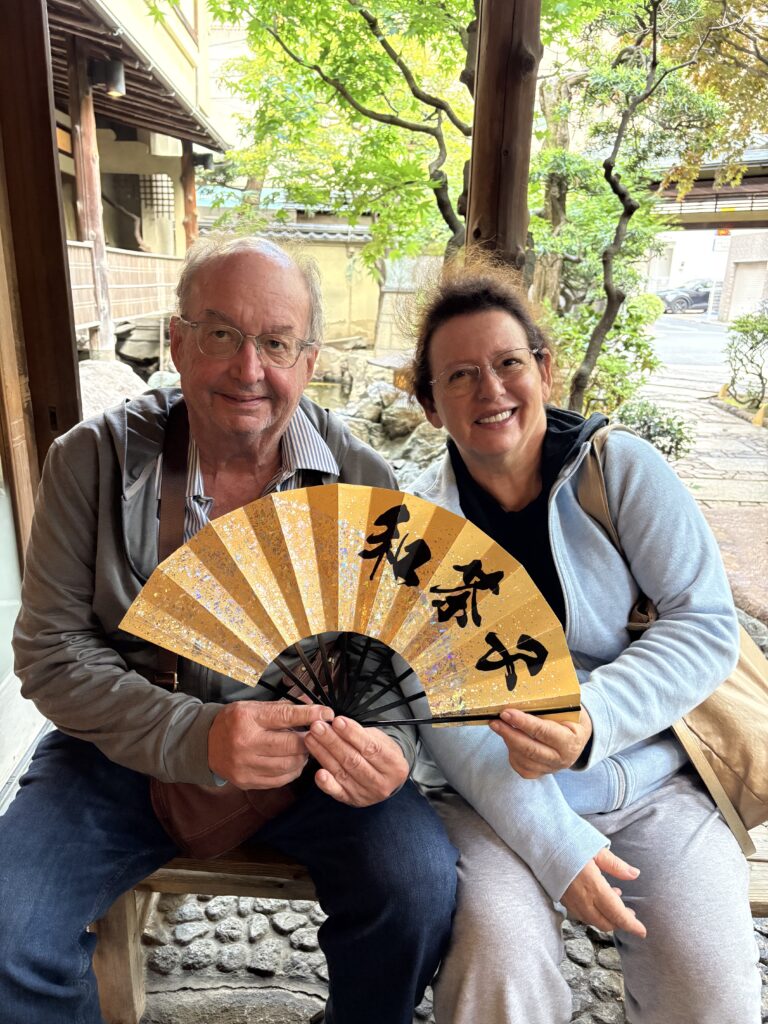
Why choose an Asakusa tea ceremony in Tokyo
Fun fact: 浅草 (Asakusa, Asakusa district) sits on the northeast edge of central Tokyo, right next to Senso-ji Temple, and attracts millions of visitors each year. Visiting a tea ceremony here feels like stepping back to older Tokyo, yet you’re still in the heart of the city, just a short walk from Asakusa Station. But that’s not all.



Plot twist: you don’t need prior Japanese language skills to join. Most studios, like Wasako, run guided sessions in English, and the steps are easy to follow. The best part? You get to practice vocabulary like お点前 (otemae, tea ceremony procedure) or 抹茶 (matcha, powdered green tea) preparation in ローマ字 (romaji, romanization) as you work. Personally...
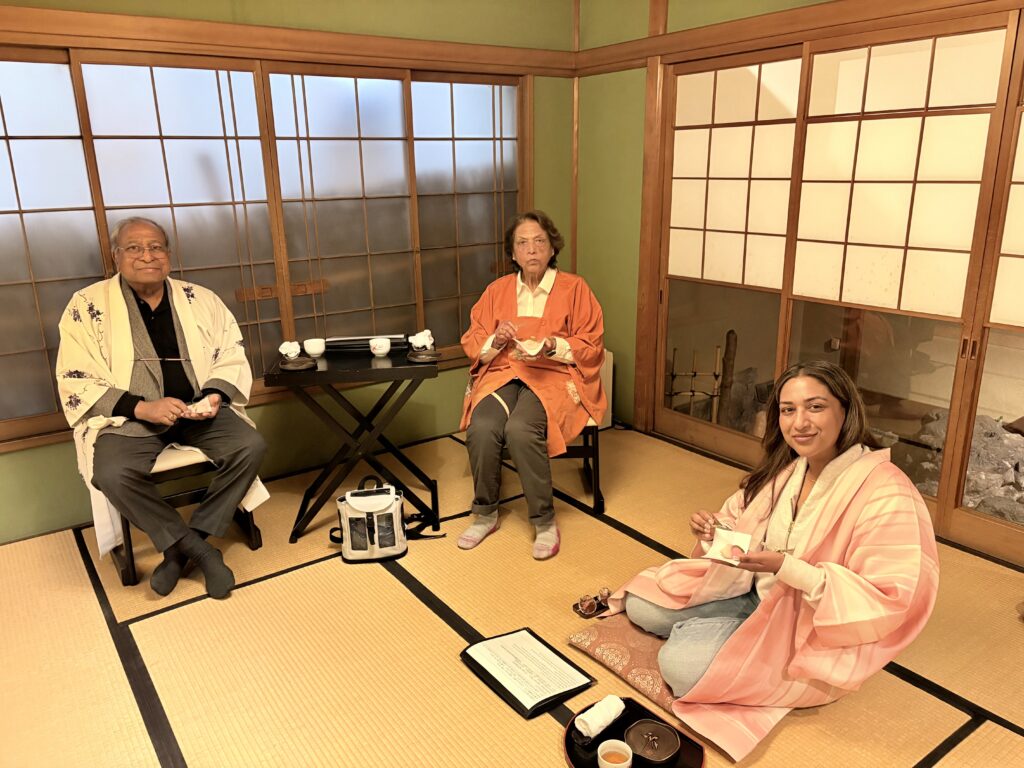
Hands-on matcha practice: what to expect
Trust me on this one: a typical session at a studio in Asakusa lasts about 60 minutes, and Wasako lists options that focus on real participation rather than passive watching. You’ll be shown how to whisk matcha powder into a frothy bowl, learn proper handling of the 茶碗 (chawan, tea bowl) bowl, and receive a short cultural briefing on seasonal etiquette. No wonder these steps turn a cup into a cultural moment. Convinced yet?
Step-by-step: the practical flow
On a related note, sessions usually begin with a short intro, then you prepare matcha yourself under instructor guidance. First, you clean the bowl, then measure matcha with a 茶杓 (chashaku, tea scoop) scoop, add hot water at the right temperature, and whisk with a chasen until foamy. The instructor times the water and shows proper wrist movement. But that’s not all.
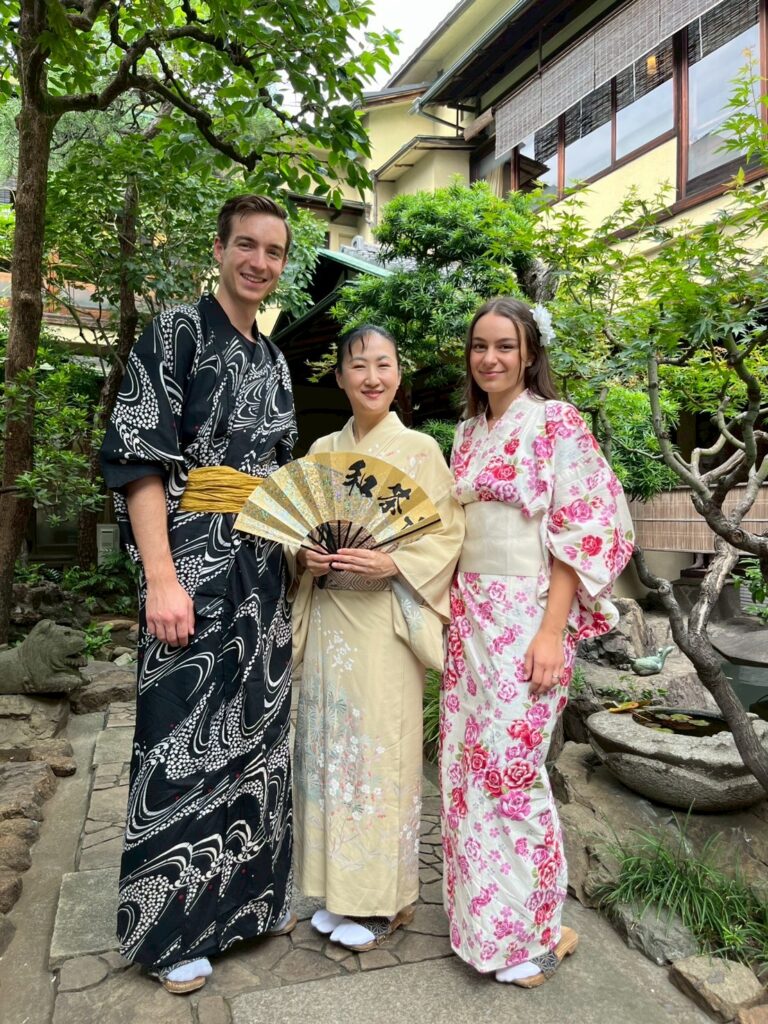
What you learn besides whisking
Seriously though, you’ll pick up cultural phrases and simple etiquette in romaji, like greetings and how to pass the bowl politely. The host often explains the seasonal background of sweets served with matcha, and that context makes the drink more meaningful. My tip? Repeat the short phrases aloud to remember them during your next visit to a teahouse. Personally...
Wasako in Asakusa: the studio and booking details
If you’re wondering who runs these experiences, Wasako is a small cultural studio based in Asakusa, Tokyo, offering sessions aimed at tourists and learners. Let me show you why Wasako stands out: they offer group and private sessions, often capped at 6 to 8 people to keep the experience intimate, and their web booking shows available time slots for mornings and afternoons. Not bad, right?




On the flip side, if you prefer a quieter option, ask for a private lesson. Prices vary, but many studios in the Asakusa area list sessions from around 3,000 to 5,000 yen per person, and private sessions cost more. Trust me on this one: check Wasako's booking page before you go, and watch the cancellation policy closely. But that’s not all.
Why this is great for Japanese learners and culture fans
Question: are you studying Japanese and tired of textbook examples that never appear in real life? Then this experience helps. You’ll use romaji for simple vocabulary and see cultural expressions in action, which helps retention. The best part? Seeing gestures and words together cements the language faster than memorising lists. Convinced yet?
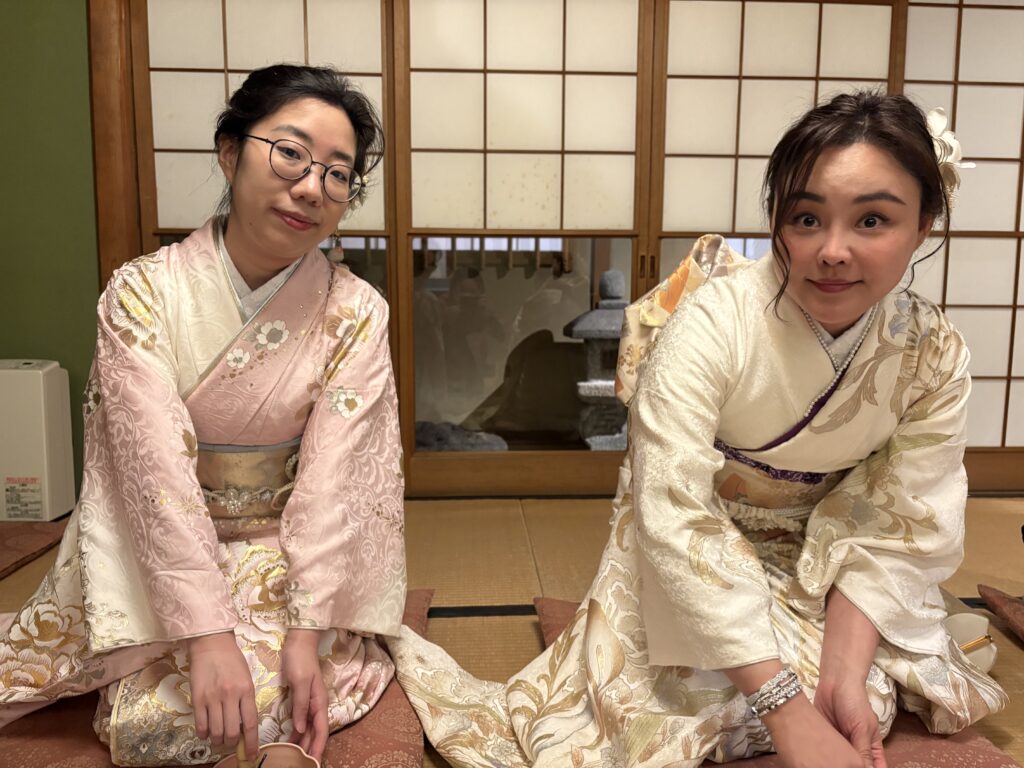
Direct address: if you practice phrases like "oishii" and polite forms during the experience, you’ll have instant talking points for later visits to cafés or shops. Oh, almost forgot: many instructors will correct pronunciation gently, which is priceless for learners. Personally...
Tips to make the most of your Asakusa tea ceremony
Anecdote: I once arrived late and missed the sweet served before matcha, and it changed the timing of the ritual for me, so don’t be late. My tip? Arrive 10 minutes early, wear comfortable sleeves for bowl handling, and bring a camera for photos after the demonstration. Wild, isn’t it?
Plot twist: try ordering matcha at a café in romaji after your lesson. You’ll notice staff smile more and conversations start. On a related note, if you’re a photographer, mornings around Asakusa offer softer light and fewer crowds for better pictures. Personally...
Frequently Asked Questions
Do I need to speak Japanese to join?
No, most studios in Asakusa offer instruction in English and use simple romaji for words you need to know.
How long does a typical session last?
About 60 minutes is common, but check the studio page when booking for exact times.
Is matcha included in the price?
Yes, matcha and the traditional sweet served with it are usually included in the session fee.


