
Scripts on the street: hiragana, katakana, kanji and badges
Have you noticed how shop signs and aftermarket stickers use three different writing systems at a glance: 平仮名 (hiragana, hiragana script), 片仮名 (katakana, katakana script), and 漢字 (kanji, kanji characters)?
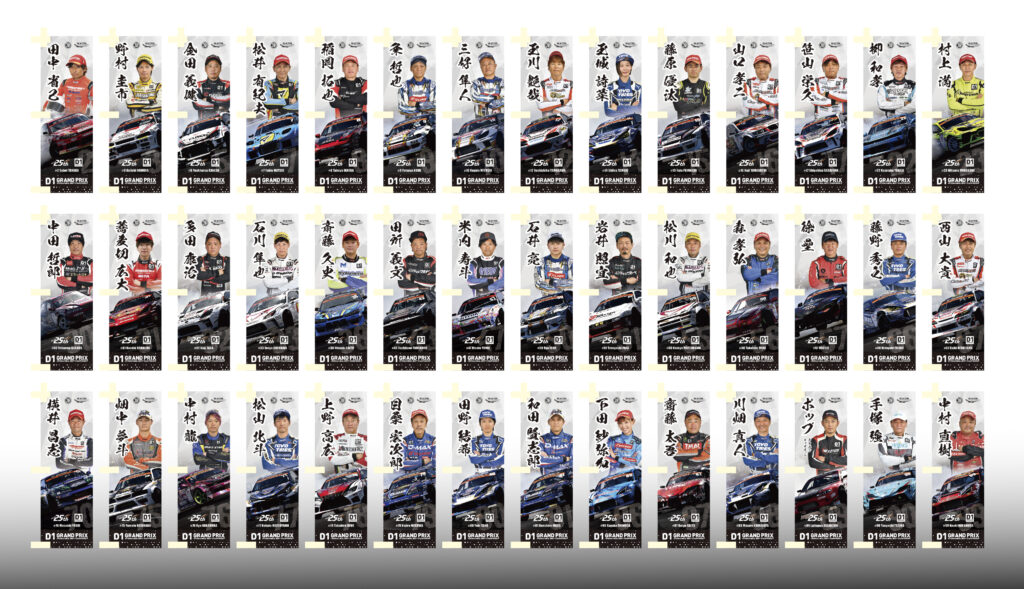
Compared to back home, model names and performance parts in Japan often sit in katakana, which highlights foreign origin and style. Kanji is used for heritage and emotional weight, like classic tuning shops that want to sound traditional. Tokyo neighbourhoods like 中野 (Nakano, Nakano ward) and 大田 (Ota, Ōta ward) visually showcase this every weekend at meetups.
Why katakana makes cars sound cool
Here's the kicker: katakana compresses foreign sounds into a compact visual code, changing rhythm and brand perception. A model name written in katakana, rendered in ローマ字 (romaji, romanization) for learners as supura, can feel faster or more exotic to Japanese ears.
Sound shaping model myths
A great example is the Toyota Supra, often referenced by fans as supura. It carries a different energy in katakana than in plain Latin letters. No exaggeration, that small shift helps marketing teams and tuners craft identity. My tip? When learning katakana, start with car model names; it sticks much better than abstract lists.
Badges, typography and the aftermarket language
Know that feeling when a badge looks like art and you can't read it? Badging choices matter, literally. Manufacturers pick kanji to signal history, katakana for global reach, and English for prestige. That’s why a Nissan Skyline GT-R R34 (1999 to 2002) reads as a performance icon, whether you understand Japanese or not.
It's early morning in Kyoto. At a weekend hiragana and katakana practice session, local tuners translate decals into romaji to teach new apprentices how nuance changes meaning. For example, the term "軽 (kei, light-class car)" in romaji tells you it's a small class car, regulated by specific rules and tax brackets, not just a casual nickname.
The Drive feature, media and the pop culture feedback loop
Speaking of which, The Drive ran a smart exploration of how language affects car culture, pointing to showrooms and street signage as living scripts. That piece is worth reading for concrete examples and photography that illustrate the point.
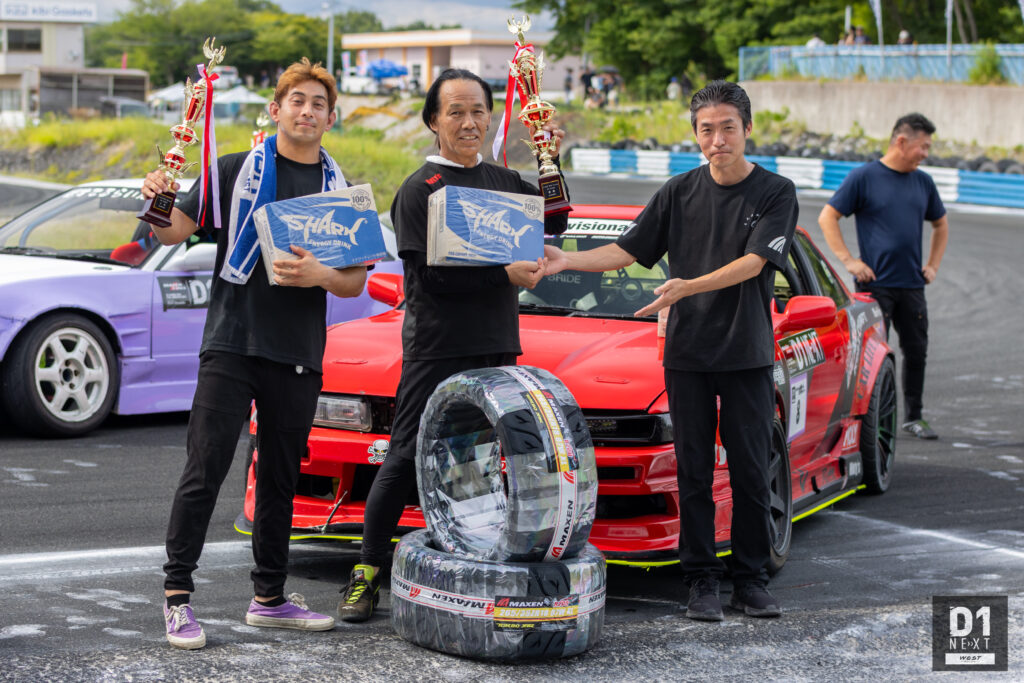
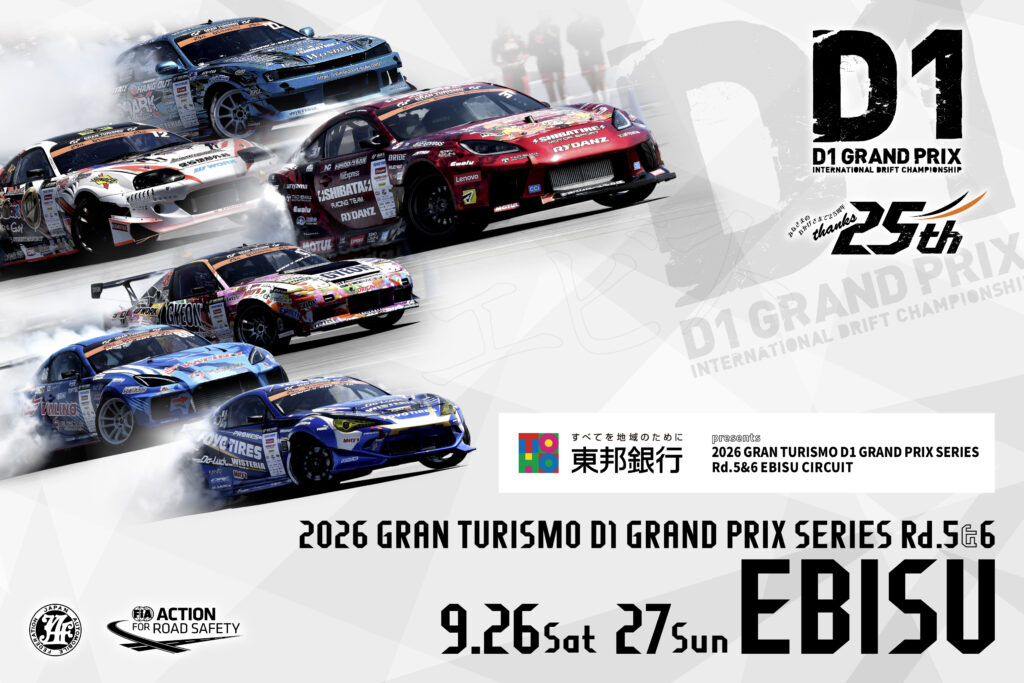
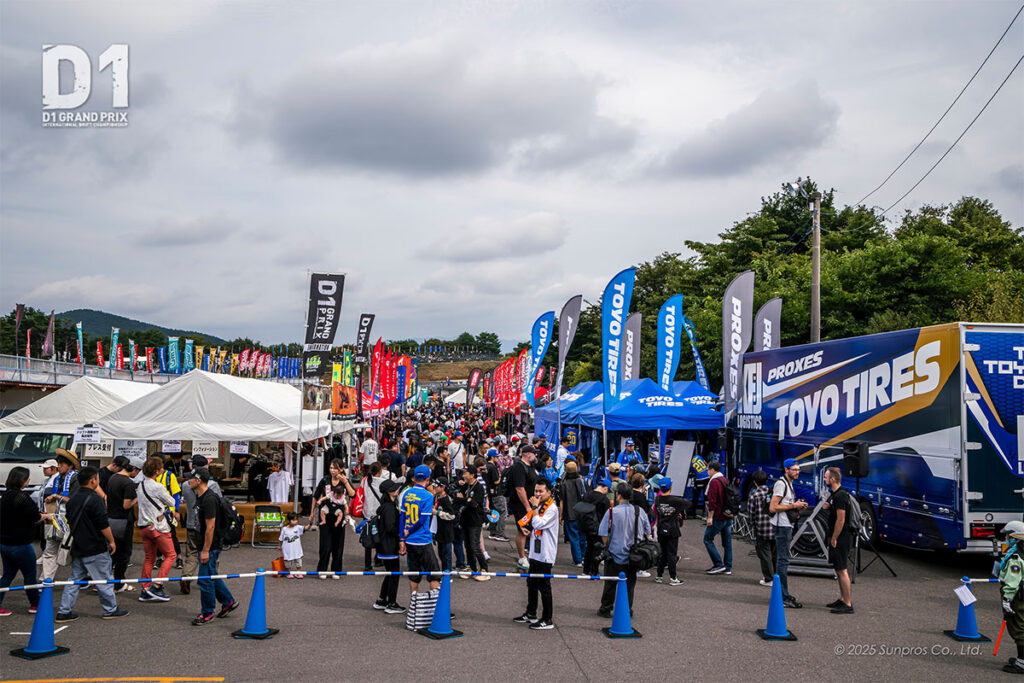
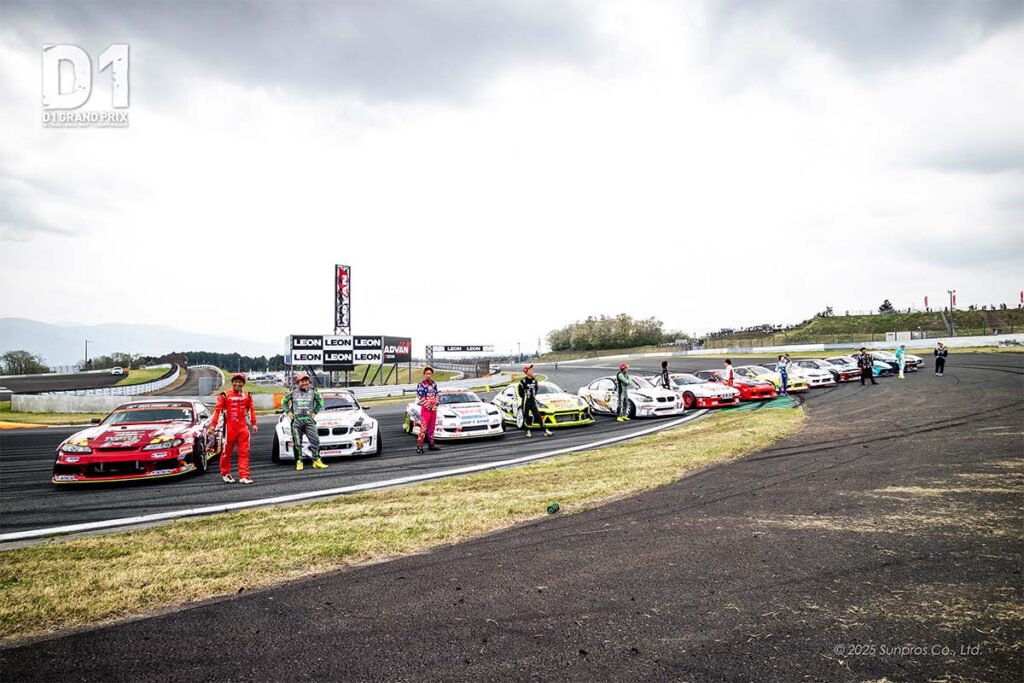
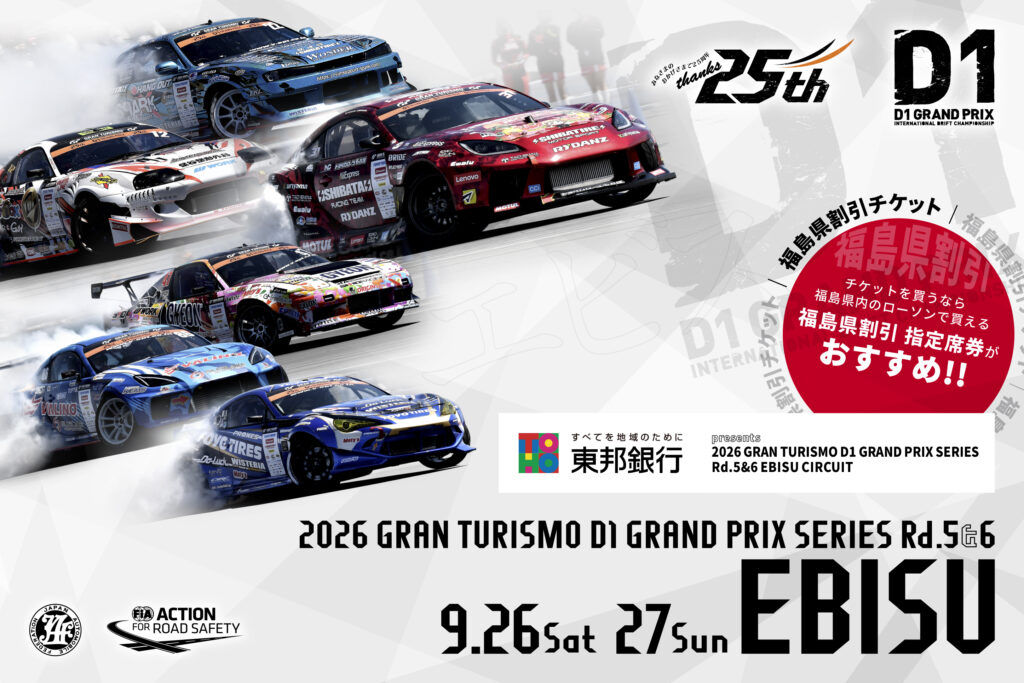
Guess what? The loop continues because media like Initial D (manga started 1995, anime first aired 1998) and events like Tokyo Auto Salon, founded in 1983, and the D1 Grand Prix, founded in 2000, push language into subculture. Fans emulate character stickers and line up model names in katakana on body kits, reinforcing the look and sound across communities.
Language learning as an auto hobby advantage
Compared to back home, knowing romaji, katakana patterns, and a handful of phrases gives you instant cultural access, whether you're reading a service manual or decoding a decal at a meet. Pro tip: memorise model-name conversions, like R34 mapped to aru san juu yon, even if you don't use kana yet.
Before I forget, learning automotive vocab in romaji helps when browsing Japanese auction sites and parts listings, where years, chassis codes, and trim levels matter, like JZA80 for the 1993 to 1998 Toyota Supra A80. Speaking of which, this knowledge can save you time and money at swap meets.
Practical nerd moves for learners and fans
Guess what else is useful? You can practice listening by watching drifting coverage from D1 Grand Prix and matching spoken names to katakana patterns on-screen. No exaggeration, your ear starts to pick up model syllables within a few sessions.
My verdict? Learn the scripts in sequence: start with katakana for car names, then add kanji for shop signs and hiragana for everyday language. My tip is to buy a small notebook and write the romaji, the script you see in photos, and one sentence using that model name; repetition builds recognition fast.
Highly recommended: bring a smartphone camera to meets, take photos of badges, and later match them to romaji and kanji in your notes. Sounds weird, but it’s true, visual study combined with romaji makes the learning curve much gentler.
In pictures
Frequently Asked Questions
Will learning katakana help me at car meets in Japan?
Short answer: Yes, katakana will help you read model names and aftermarket brand names quickly.
Are there specific words I should learn first for Japanese car culture?
Short answer: Start with model names, chassis codes, and common terms like "kei car" and "tuning" in romaji.
Sources
- The Drive - How Japan's Language Shapes Its One-Of-A-Kind Car Culture
- Initial D, manga started 1995, anime 1998
- Tokyo Auto Salon official site (founded 1983)
- D1 Grand Prix official site (founded 2000)


