
What the disturbing anime iceberg actually maps
It's early morning in Kyoto. You could use that calm to study grammar, or you could use it to mentally prepare for a 10-level list of anime that unsettle people for a living. The reason is simple: the iceberg structure sorts entries by visibility, not by quality. Surface entries are well known, mid-tier entries show up in cult lists, and the bottom tiers host titles most viewers will never willingly meet.



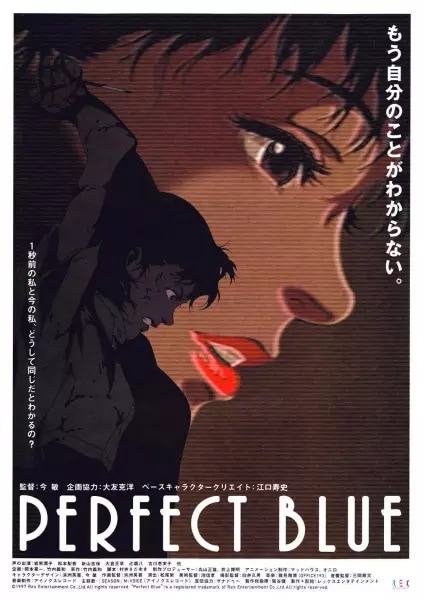
Ever wondered why some shows end up here? Take Perfect Blue, for instance. Released in 1997, directed by Satoshi Kon and produced by Madhouse, it's frequently cited on surface layers because its psychological horror is digestible and widely influential. That accessibility is exactly why it sits near the top, not the abyss.
Guess what? The actual deep end contains works like Urotsukidoji, first released as an OVA series in 1987 by Toshio Maeda, notorious for erotic horror and censorship controversies. These are the pieces that make the iceberg feel like a bottomless pit, not a checklist.
From my experience, treating the iceberg as a recommendation engine rather than a badge of bravado keeps you sane. But that's not all.
Layered examples: upper, middle and bottom of the iceberg
Upper layer: mainstream unsettling works
The first time I saw Perfect Blue, I appreciated the craft. Satoshi Kon's direction, the 1997 production by Madhouse, and the way reality slips away on screen are teachable moments for animation students. To be fair, Serial Experiments Lain, 1998, produced by Triangle Staff and directed by Ryutaro Nakamura, belongs here too, with its internet paranoia and sparse sound design. These shows are references, not obscurities.
Middle layer: cult and divisive art
Picture this: a movie that's both gorgeous and hard to sit through. Mind Game, released in 2004 by Studio 4°C and directed by Masaaki Yuasa, looks like a fever dream animated on purpose. Flowers of Evil, known as Aku no Hana, aired in 2013 from studio ZEXCS and used rotoscoping to alienate audiences deliberately. The reason is simple: these works split viewers because their formal choices are central to their themes, not ornaments.
Bottom layer: extreme, obscure and often banned
The first time I went down a thread about low-level iceberg entries, I felt unmoored. Belladonna of Sadness, 1973, directed by Eiichi Yamamoto, is a psychedelic art film that influenced generations of experimental animators. Urotsukidoji, 1987, by Toshio Maeda created the erotic grotesque mythos in OVA form and generated moral panics across the 1990s. Midori: Shoujo Tsubaki, a 1992 film directed by Hiroshi Harada based on Suehiro Maruo's manga, is another example that has been heavily censored and rarely screened internationally. Here's the catch: the deeper you go, the more cultural context matters, and the more likely you are to encounter works that test legal and ethical boundaries.
Why these shows cluster into an iceberg
While we're at it, consider production context. Many bottom-tier works are born from small studios, fringe publishers, or independent creators who push taboo to gain attention. The funding model matters. Low budgets allow risk, and risk creates formally strange results. Also, censorship laws and distribution restrictions shuffled many titles into underground circulation during the 1980s and 1990s.
Basically, cultural taboos, technology, and market forces created visible and invisible tiers. Take Belladonna, for instance; it was produced in 1973 when experimental animation could still find theatrical release in Japan. Contrast that with Urotsukidoji, which found its audience in VHS specialty markets. See what I mean?
How this helps you as a Japan fan or language learner
Ever wondered why certain words or motifs recur in weird anime? Vocabulary like エログロ (ero guro, erotic grotesque) (erotic grotesque), 怪談 (kaidan, ghost story) (ghost story), and 映画 (eiga, film) (film) comes up all the time in critical essays and fan discussions. My tip is to watch with Japanese audio and romaji subtitles, pausing to note recurring verbs and nouns. That practice teaches nuance far faster than textbook drills.
To be fair, you don't have to watch the bottom tiers to learn. Start with accessible titles that are still challenging, like Perfect Blue or Lain. Then branch out if you want to study genre-specific vocabulary in context. Sounds weird, but it's true.
But that's not all. If you want to explore community takes, the YouTube video that inspired this iceberg maps many of these entries and links to deeper reading. It's a useful companion when you're tracing how a cult idea moved from manga pages to OVAs and then to taboo lore.
Frequently Asked Questions
What is the disturbing anime iceberg?
A ranked list that groups anime by how visible or obscure their disturbing qualities are, from mainstream unsettling titles to extreme underground works.
Is it safe to watch bottom-tier titles?
Not always. Many bottom-tier works include explicit sexual content, violence, or themes that may be banned in your region. Watch with caution and research content warnings first.
Can these shows help my Japanese?
Yes. Watching with Japanese audio and romaji subtitles helps you pick up conversational phrases and genre vocabulary in real contexts.

