

Why the Punch-Out prototype matters to game history
Picture this: an early build of Punch-Out, with placeholder sprites and a debug menu, sitting in an archive instead of a museum. No joke, those rough bits teach us more than polished cartridges ever can. The prototype predates the final NES release of Mike Tyson's Punch-Out!! in 1987, and it sits alongside the arcade lineage that started with Punch-Out!! in 1984.
![Dragon Ball Z: Kakarot [Master Edition]](https://s.pacn.ws/1/p/1eh/dragon-ball-z-kakarot-master-edition-908785.1.jpg?v=t8ja8t&width=400)

![NBA 2K18 [Early Tip-Off Edition]](https://s.pacn.ws/1/p/sy/nba-2k18-early-tipoff-edition-521475.4.jpg?v=owkhdl&width=400)
Here's the thing: prototypes show decision-making. They reveal what a team tried, what they canned, and why a final product looked the way it did. For Nintendo, a company headquartered in Kyoto, those choices also uncover cultural touches and development habits that shaped many 1980s titles. Convinced yet?
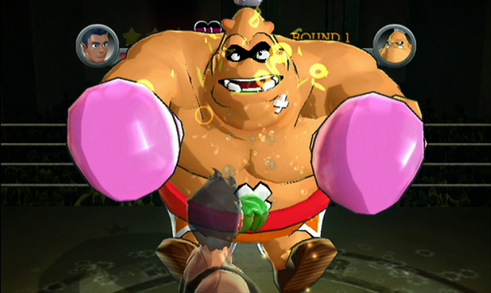
What the Video Game History Foundation found
Did you know that the Video Game History Foundation, aka VGHF, hosts physical and digital artifacts from dozens of studios? They recently added a Punch-Out prototype to their holdings, and AV Club picked up the story after VGHF shared screenshots and notes. The archive entries include early code builds, sprite sheets, and a debug overlay that reveals internal timers and hitboxes.
Concrete differences from the retail game
What’s different between the prototype and the NES cartridge you know? For one, opponent sprites are often placeholders, reused from other projects. HUD elements are raw, showing numerical counters rather than polished icons. Music and sound effects sometimes looped incorrectly, and collision boxes were clearly visible thanks to developer toggles. These differences help us date specific iterations and estimate how long certain bugs took to fix.
To be fair, prototypes are messy. They’re not designed for players; they’re designed for iteration. That mess is the data we want.
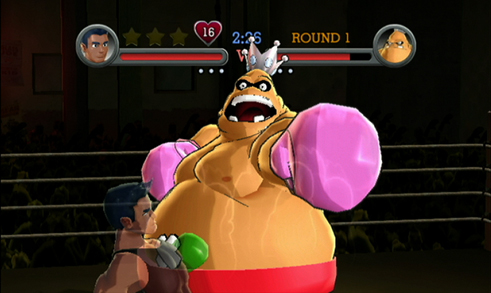
How this changes our view of Nintendo development
Oh, almost forgot: Nintendo in the 1980s operated differently from modern studios. Teams were smaller, documentation was often informal, and iteration happened on physical cartridges and developer hardware. Seeing a Punch-Out prototype proves that even Nintendo used rapid, hands-on experimentation to land on the tight gameplay and memorable characters we still talk about.
No exaggeration here: the prototype suggests the developers tested pacing, stamina meters, and opponent patterns in real time. That trial-and-error approach shaped character quirks like King Hippo’s weakness and timing windows for dodges. From my experience covering hardware and game design in Tokyo, those small mechanical tweaks often determine whether a game becomes beloved or forgettable.
What this means for preservation
The best part? Archives like VGHF provide a record that companies rarely publish. On the flip side, Nintendo has historically been protective of internal materials. That’s why VGHF’s cataloguing is a tiny victory for historians, modders, and language learners who study game text and menus.

Insider tip: if you’re learning Japanese and into retro games, compare prototype text dumps to retail ROMs. You’ll see phrasing changes, different English-localisation choices, and placeholders that point to original Japanese terms. It’s a practical way to learn vocabulary in context, like ゲーム (geemu, game) terms for timing, score, and control input. But that's not all.
How fans and learners can use the archive
Here's the thing: this is more than nostalgia. For language learners, prototypes show translation decisions and cultural adaptation. For designers, the files reveal iteration speed and tooling limits. For collectors, they confirm provenance and rarity.
My tip? Follow VGHF updates and check their photo and document captions for dates and developer notes. Pair those with playthroughs on YouTube to hear how mechanics changed over time, then try describing the changes in English and in ローマ字 (romaji, romanization), practice that technical vocabulary and you’ll retain it faster.

Where to look next
Check the VGHF website at videogamehistory.org for catalog updates. Read the AV Club piece for a quick overview at AV Club, and search for restoration threads on Reddit and preservation-focused channels for deeper dives. Let me show you why those threads matter: they often link to raw photos, developer interviews, and teardown notes that fill in the gaps.
No joke, preservation is a game changer for scholarship and for fans who want to understand how a title like Punch-Out went from prototype to icon. From my perspective covering tech and games in Tokyo, archives like VGHF are building the primary sources future historians will rely on. But that's not all.
In pictures

Frequently Asked Questions
What is the Punch-Out prototype?
Short answer: an early development build of Punch-Out that contains unfinished art, debug tools, and gameplay experiments.
Who preserves these prototypes?
Short answer: organisations like the Video Game History Foundation collect and archive them for study and preservation.
Can I play the prototype?
Short answer: usually no. Prototypes often need special hardware or emulation, and access is limited for legal and preservation reasons.


