
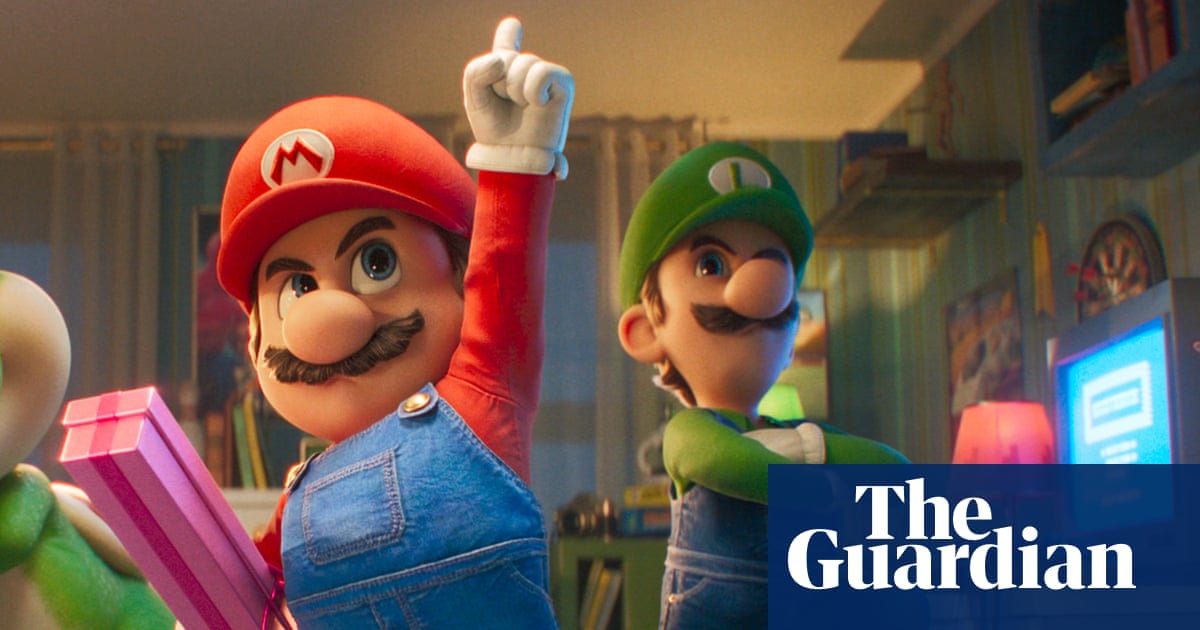
The Luigi Segale naming story
Know that feeling when a barroom story becomes video game lore? The theory that Luigi was named after Luigi Segale starts small, with a few employee recollections and property records that line up around the early 1980s.
![Dragon Ball Z: Kakarot [Master Edition]](https://s.pacn.ws/1/p/1eh/dragon-ball-z-kakarot-master-edition-908785.1.jpg?v=t8ja8t&width=400)


Plot twist: According to The Guardian, documents and interviews suggest Nintendo of America leased space from Segale in Tukwila, Washington, and employees informally used his name. How informal is unclear, but the name stuck in company memory and in the credits of early marketing materials.
How the name stuck
Picture this: game developers and PR staff in a small US office, swapping names and nicknames while local property owners visit. Speaking of which, company culture in tiny offices often makes for quick naming decisions that last decades. Personally, I like to imagine someone calling out "Luigi" and the rest of the team laughing, not realising they'd coined a global character name.
On a related note: For Japan fans learning vocabulary, there's a neat tie-in here. The idea of sibling names matters in Japanese culture too, with words like younger brother 弟 (otouto) and older brother 兄 (ani) carrying nuance. That helps explain why the Mario/Luigi pairing resonated cross-culturally.
Nintendo of America in the 1980s
It's early morning in Kyoto. Nintendo is still growing into the global company we know, while Nintendo of America is finding its footing in the United States.
Question: Where was Nintendo of America based in the early 1980s? Records and reporting point to Tukwila, Washington, as an important address during that period, a time when the company was expanding distribution for the Famicom and early Game & Watch products. Employees from that era remember cramped offices, lots of product boxes, and landlord visits.
Tukwila location and records
Picture this: a warehouse or small office in Tukwila, near Seattle, used as a distribution hub. Court filings and local property records, cited by reporters, show Luigi Segale as a property owner in Tukwila, which aligns with oral histories from former staff. A great example: a tenant ledger or lease agreement can anchor an oral claim with a name and an address, which is what researchers used to connect Segale to Nintendo of America.
No exaggeration: small details like an address plate or a handwritten note can end up shaping the origin myth of a character. From my experience, those tiny archival clues are gold for anyone researching media history.
From Tukwila landlord to pop culture icon
Seriously though, how did a landlord's name reach millions of players? The short answer is habit and repetition. Once a name appears in internal memos or is used by staff to refer to a prototype or person, it can carry into manuals, localisation notes, and eventually public materials.
On the flip side, some historians caution that retroactive naming stories suffer from selective memory. People want a neat origin, and after decades, memories blur. That said, with sources like The Guardian compiling interviews and records, the Segale connection looks stronger than mere coincidence.
What I especially like is that this story shows how global pop culture can spring from prosaic, local moments. A Tukwila landlord, a small American office, and a team making decisions under pressure contributed to a character who would appear in games from 1983's Mario Bros through Super Mario World and beyond.
My tip: if you're studying Japanese and love gaming culture, try comparing how character names change between languages. Examine how Mario and Luigi are discussed in English press versus Japanese press, and hunt for vocabulary patterns. Insider tip: follow source links and primary documents to practice reading real-world English reporting; it's great prep for academic reading.
On a related note, this also ties into fandom study for otaku culture. Fans in Japan and abroad treat origin stories like lore, interrogating every claim. Wait, there's more.
Highly recommended: if you're researching deeper, read the full Guardian piece and check public property records for Tukwila in the early 1980s. From my experience, combining journalism and primary records yields the best picture.
Want more context on Nintendo's US history and how names jump cultures? Follow up with company histories and interviews from former Nintendo of America staffers.
Frequently Asked Questions
Was Luigi definitely named after Luigi Segale?
Short answer: Not 100 percent proven, but interviews and property records reported by major outlets strongly suggest the connection.
Where was Nintendo of America located in the early 1980s?
Short answer: One important base of operations and distribution was in Tukwila, Washington, where company staff worked from small offices or warehouses.


