
What Is matcha LOVE – and Who Is Ito En?
Ito En (伊藤園, Itō En) is Japan's largest green tea manufacturer, founded in 1966 and headquartered in Tokyo's Shibuya district. The company is perhaps best known internationally for its Oi Ocha bottled green tea, but its premium sub-brand matcha LOVE has been carving out space in the competitive North American wellness market for several years. Ito En operates in more than 30 countries and reported annual revenues exceeding ¥400 billion in recent fiscal years, making it one of the most significant forces in the global tea industry.
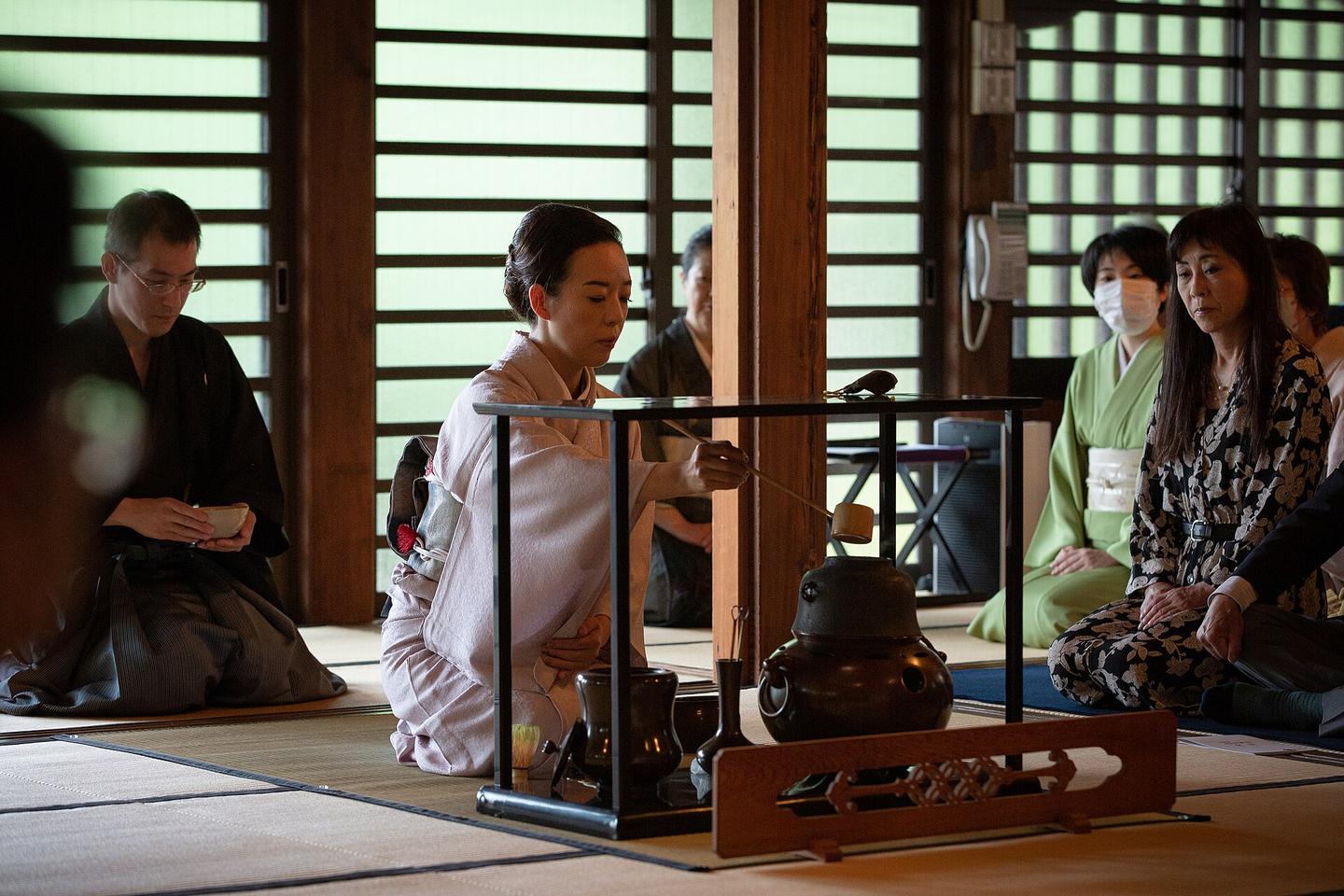
The matcha LOVE line was originally designed to bring authentic Japanese 抹茶 (matcha) – the finely stone-ground green tea powder used in traditional tea ceremonies – to consumers who may never have set foot in a Japanese tea house. Matcha is not just a flavour trend; in Japan it carries deep cultural weight, tied to the 茶道 (sadō, also read chadō) – the Way of Tea – a practice codified by tea master Sen no Rikyū in the 16th century.
The Relaunch: Six Products, One Clear Strategy
Starting 23 March 2025, Ito En is rolling out six repositioned matcha LOVE products across North America. While the full product list is still being revealed through retail channels, the relaunch is understood to include ready-to-drink matcha beverages, matcha powder formats aimed at home preparation, and potentially latte-style blends that speak directly to the café culture dominating North American cities like New York, Los Angeles, and Toronto.
Packaging and Positioning
The strategic pivot is visible in the branding itself. Where earlier matcha LOVE packaging leaned heavily into Japanese visual aesthetics – think minimalist white and deep green with kanji-forward design – the relaunched line appears to balance Japanese authenticity with Western accessibility. This is a delicate act: lean too far into exoticism and you risk alienating mainstream shoppers; strip away too much cultural identity and you lose the premium positioning that justifies a higher price point compared to generic green tea products on the same shelf.
For Japanese learners, this is a real-world example of how the word 和風 (wafū) – meaning "Japanese style" – is consciously calibrated for foreign audiences. The product is still distinctly wafū, but its expression is filtered through a North American lens.
Why March 2025?
The timing is deliberate. Spring is prime season for tea launches in North America – health-conscious consumers are coming out of winter routines and actively seeking lighter, functional beverages. The matcha category has grown significantly: according to data from market research firm Mordor Intelligence, the global matcha market was valued at over USD 3.5 billion in 2023 and is projected to grow at a compound annual growth rate of roughly 9% through 2029. Ito En is clearly positioning matcha LOVE to capture a larger slice of that expanding pie before competitors – including a growing number of Western matcha startups – consolidate their market share.
Globalisation Through a Tea Cup: What This Tells Us
The matcha LOVE relaunch is a textbook case of glocalisation – the strategy of adapting a globally distributed product to local tastes and habits. Ito En is not simply exporting Japanese tea; it is re-engineering the cultural context around it. This raises genuinely interesting questions for Japan fans and language learners alike.
Consider the word 輸出 (yushutsu) – "export." Japan has long exported physical goods, from cars (Toyota, Honda) to electronics (Sony, Panasonic). But what Ito En is exporting with matcha LOVE is softer: a lifestyle association, a wellness narrative, and an implied connection to Japanese craftsmanship and nature. The kanji for matcha itself – 抹茶 – combines 抹 (matsu, to rub or grind) and 茶 (cha, tea), a small etymological window into how the product is actually made.
For North American consumers, matcha has become a symbol of mindful living, fuelled partly by social media aesthetics and partly by genuine interest in Japanese culture. Ito En is smart to ride this wave, but the company also takes a risk: if matcha becomes too genericised in Western markets, the premium brand equity built around Japanese origin could erode. It is the same tension that Champagne producers in France have navigated for decades – how do you protect cultural authenticity while scaling globally?
What Japanese Learners Can Take Away
Beyond the business story, the matcha LOVE relaunch is a great reminder that the Japanese language is alive in global commerce. Next time you pick up a matcha product at a Whole Foods or a specialty grocer, look at the label carefully – you may spot kanji, hiragana, or katakana used as design elements that are doing double duty as cultural signifiers. Learning to read even basic Japanese script opens up a whole new layer of meaning in everyday consumer products.
Ito En's move also underscores why understanding Japanese food culture – 食文化 (shoku bunka) – is valuable for anyone serious about Japan. Tea is not peripheral to Japanese identity; it is woven into social rituals, architecture (the tea room, or chashitsu), and even the Japanese concept of omotenashi (wholehearted hospitality). When you understand that context, a simple can of matcha drink becomes a far more interesting object.
Keep an eye on matcha LOVE's rollout through spring 2025 – it promises to be one of the more illuminating examples of Japanese soft power in action this year. Find more Japan news on jpnerd.com.
Frequently Asked Questions
What is Ito En's matcha LOVE brand?
matcha LOVE is a premium sub-brand of Japanese tea company Ito En, offering matcha-based beverages and powders designed for international markets, particularly North America.
When does the matcha LOVE relaunch start?
Ito En is rolling out six repositioned matcha LOVE products in North America starting 23 March 2025.
Why is matcha so popular outside Japan?
Matcha has gained global popularity due to its association with wellness, its distinctive flavour profile, and growing consumer interest in Japanese food culture and aesthetics – a trend amplified significantly by social media.


