
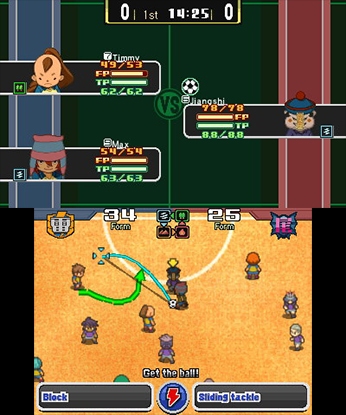
Level-5's roots and the 2008 Nintendo DS debut
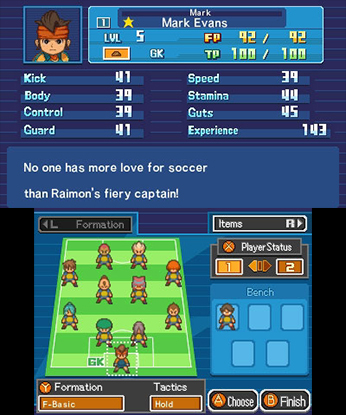
Question: did you know Inazuma Eleven began as a Nintendo DS game in 2008? The original title launched in Japan on August 20, 2008, developed and published by Level-5, the studio Akihiro Hino founded in 1998. On a related note, Level-5 was already known for blend-of-genre hits like Dragon Quest VIII collaborations and Professor Layton by then, so the company had the craft to try something bold. Wait, there's more.
![Dragon Ball Z: Kakarot [Master Edition]](https://s.pacn.ws/1/p/1eh/dragon-ball-z-kakarot-master-edition-908785.1.jpg?v=t8ja8t&width=400)

Why the origin matters
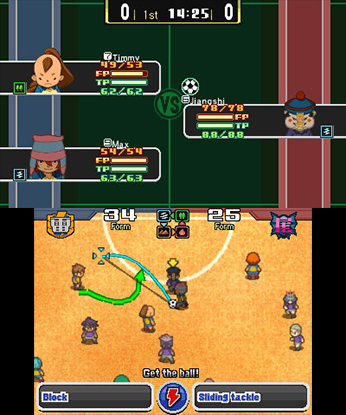
Fact: Inazuma Eleven's hybrid of role-playing progression and football mechanics matched Level-5's taste for genre mashups. The game treated matches like JRPG battles, with position changes, leveling, and 必殺技 (hissatsu-waza) special moves that functioned like limit breaks. This design choice came from a team comfortable with RPG systems, not a studio chasing current adult trends. But that's not all.
Akihiro Hino's design philosophy: kids first, not trends
The first time I went to Japan, I heard people praise creators who remember what it's like to be a kid. Akihiro Hino has said publicly that the series succeeded because it never tried to look cool to adults, according to an interview with Automaton Media. Hand on heart, that honesty shapes the writing and art choices in every entry.
Concrete choices that reflect the philosophy
Here's the kicker: character designs stay energetic and slightly exaggerated, the story centres on friendship and effort, and the gameplay rewards experimentation rather than optimised meta strategies. No wonder these choices made the series accessible to children and enduring for older fans who grew up with it. Personally, I think that's brilliant.

Why the JRPG format fits a soccer story
Imagine a narrow alley in Tokyo. You overhear kids trading moves and nicknames, mimicking manga and anime. That street-level energy is what Inazuma Eleven channels with its 少年 (shounen) tone and school-club setting, including the feel of 部活 (bukatsu) club life.
Mechanics grounded in Japanese youth culture
Fact: matches play like turn-based battles, but player growth and recruitment resemble JRPG party building. And it gets better: the game uses national and international tournaments as natural progression beats, not arbitrary level gates. That mirrors real-world youth sports tournaments in Japan, which give clear milestones and drama. Wait, there's more.

Multimedia strategy: anime, merchandise, and local culture
Direct address: you might only know the DS games, but Inazuma Eleven became an anime in October 2008, produced by OLM, Ltd., and expanded to manga, toys, and mobile spin-offs. These adaptations kept the franchise visible in schools, arcades, and on TV, reinforcing vocabulary learners' exposure to everyday Japanese phrases and sports terms.
Learning connections for language fans
Fun fact: playing Inazuma Eleven or watching the anime is a low-pressure way to pick up sports terms and casual speech. My tip is to note recurring phrases and 必殺技 (hissatsu-waza) names, then practice kanji and pronunciation with flashcards. Before I forget, the series also teaches cultural context about senpai-kohai relations and teamwork language, which appears in many real-life club interactions in Japan. But that's not all.
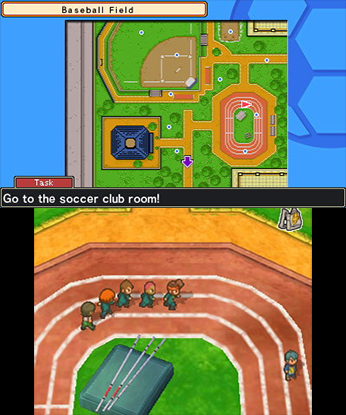
Longevity through authenticity, not trend-chasing
Fact: unlike franchises that age awkwardly when their target audience grows up, Inazuma Eleven kept adding entries and spin-offs while staying true to its roots. The design choices that prioritised childlike wonder translated into durable mechanics and storytelling that still appeal to new players.
And it gets better: because Level-5 never tried to be edgy for an adult demographic, the series avoided many traps that erode nostalgia. Wait, there's more.
Personally, the most compelling part is how the series doubles as a cultural lesson: sport, club life, and teamwork vocabulary all wrapped in JRPG systems. This is my absolute hidden gem!
In pictures
Frequently Asked Questions
Is Inazuma Eleven good for language learners?
Yes. The games and anime use everyday speech and sports vocabulary, which helps listening and vocabulary acquisition.
Do I need to play every game to enjoy the story?
No. Main arcs are self-contained, and the anime summarises key plot points well.
Sources
- Automaton Media - Level-5 CEO interview
- Wikipedia - Inazuma Eleven (series overview)
- Level-5 official site


