
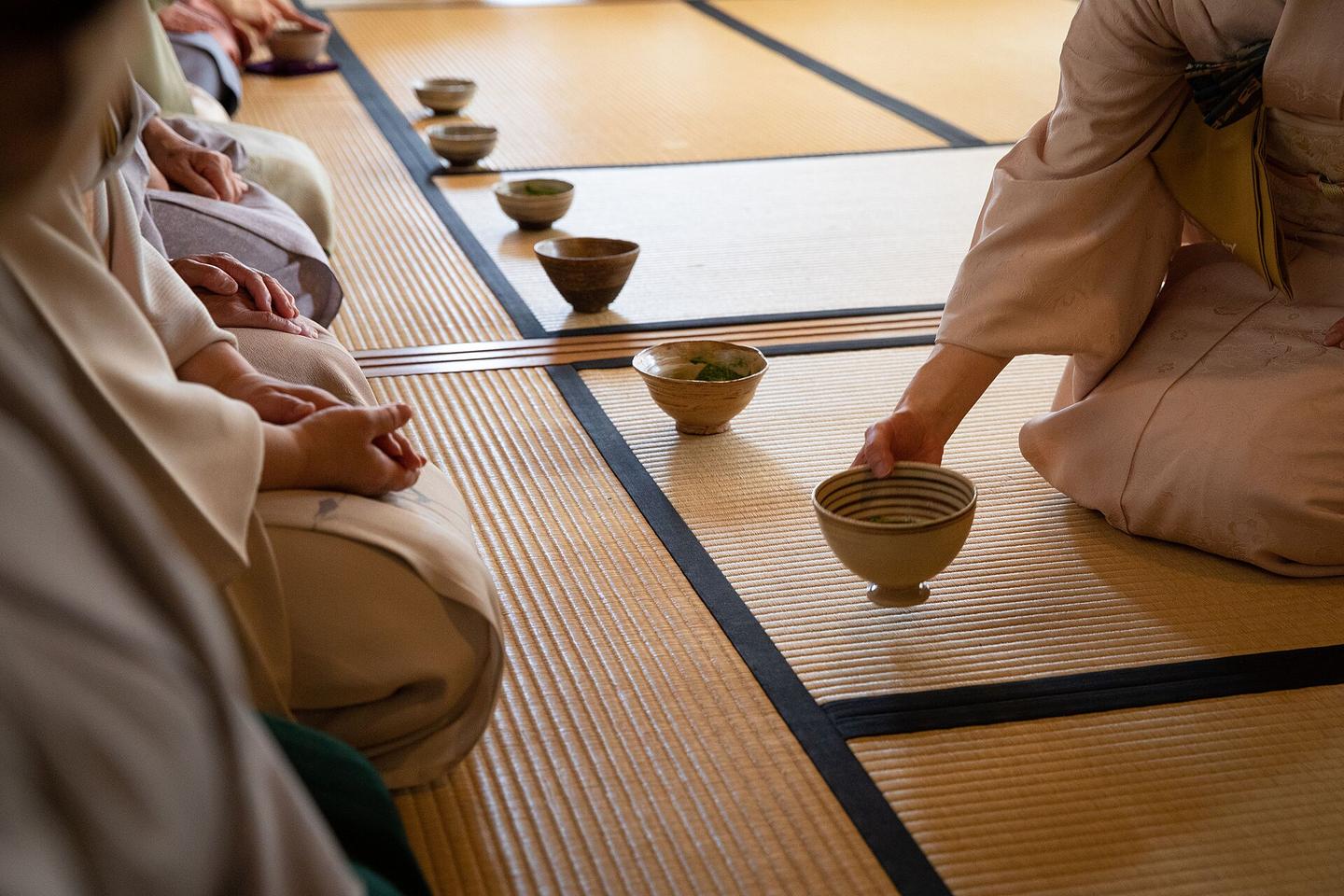
Kagawa's plan to expand matcha production
Ever wondered why a prefecture better known for udon would chase matcha now? Kagawa Prefecture on Shikoku has announced initiatives to increase local matcha production following a surge in demand reported by Yomiuri Shimbun on 13 April 2026.
Fact is, Kagawa is Japan's smallest prefecture by area, yet its agricultural office sees room for targeted tea cultivation, especially in the hills around the Takamatsu and Kannonji areas. Quick detour: the Yomiuri Shimbun article highlights pilot farms, prefectural subsidies, and outreach to smallholders.
The first time I went to Kagawa, I mostly ate udon, but I noticed small terraced fields tucked away behind temples. Seriously though, those terraced plots are ideal for shaded tea that can produce strong, vibrant matcha leaves when farmers switch varieties and adjust pruning schedules.
What the production changes look like
You know that feeling when a local product is suddenly in demand? Local cooperatives are training farmers to convert portions of their tea fields from standard sencha-type processing to matcha-specific techniques. But let's stick with production for now. The plan includes shared processing facilities so small farms can access stone mills and matcha-grade grinding equipment.
Technical upgrades and shared facilities
I still remember exactly how small-scale mills change the flavour profile; stone milling at low speed preserves aroma. The prefecture's program reportedly subsidises equipment and offers grants to build communal rolling and steaming centres, according to Yomiuri Shimbun.
Which areas are targeted
Guess what? The inland hills and mild coastal pockets around Manno and Shido have been identified as priority zones. What many overlook is that microclimate matters a lot for tea quality, and these zones have the shade and humidity matcha farmers look for.
Why the matcha boom matters for Kagawa and learners
So, why should language learners care about regional matcha stories? The best part is that local food stories give you vocabulary and context. When you learn words like matcha, ocha, and chanoyu, you're getting more than just lexicon; you're getting a cultural hook that helps with memory.
If you're studying Japanese, try describing a Kagawa matcha tasting in Japanese, using words for sweetness, bitterness, and umami. My tip is to pair vocabulary practice with photos from local tea farms; it cements both language and cultural knowledge.
Personally, I like that Kagawa's move reflects a Japan-wide trend where regional governments try to add value instead of just increasing volume. Sounds good, right?
Market context and potential challenges
Before I forget, matcha isn't just a powder for tea; it's an ingredient in cafés, pastries, cosmetics, and exports. Global interest and domestic café culture around matcha desserts have lifted prices and made matcha a more attractive crop for farmers who once relied on vegetables or rice.
But let's stick with economics for a moment. Processing matcha is labour and capital intensive, quality control is strict, and consumer trust takes time. What many overlook is that reputation matters, so Kagawa will need distinct branding to compete with Uji (Kyoto) and Shizuoka, both long-standing tea regions.
My verdict is that Kagawa's strategy has merit, but success will depend on concrete steps like measurable quality standards, traceability labels, and export channels through nearby ports like Takamatsu Port.
Branding and tourism tie-ins
Quick detour: several prefectures combine tea tours with cultural events. Kagawa could pair matcha tastings with udon workshops and visits to Ritsurin Garden in Takamatsu to create a full-day package for visitors. Classic Japan, isn't it?
Seriously though, local cafés and social media will be crucial. Small batches labelled 'Kagawa-grown' and tasting notes in English and Japanese could help export and attract foreign tourists wanting a regional food experience.
My tip is that if you visit, ask farmers about shading practices and the mill used; these details tell you a lot about quality. Personally, I think tasting small-producer matcha is one of the best ways to learn regional differences in Japanese tea.
Frequently Asked Questions
Will Kagawa replace traditional tea regions like Uji?
No. Kagawa aims to carve out a niche, not replace long-established producers in Kyoto and Shizuoka.
When can we expect Kagawa matcha products to appear in stores?
Short answer: within a few years. Processing upgrades and branding steps take time, but pilot batches may appear sooner.


