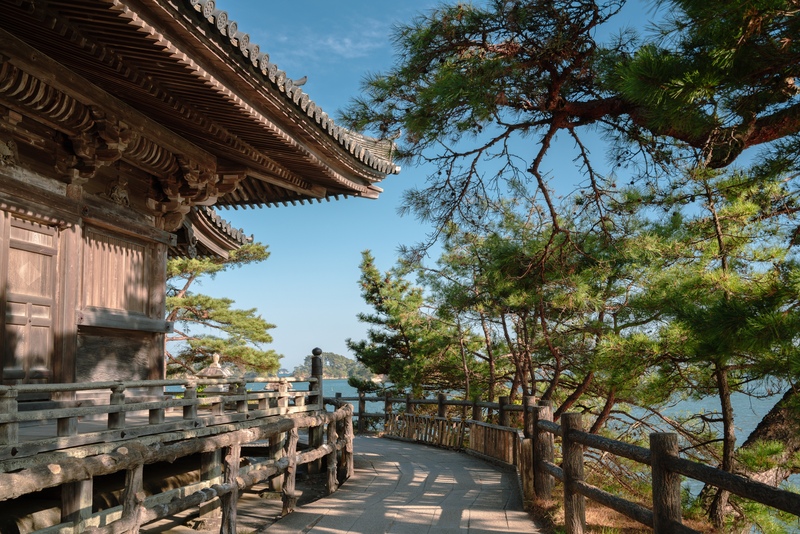
History of Zuiganji and Date Masamune
Here's the deal: Zuiganji was originally founded in 828 by the monk Ennin, and the complex you see today reflects major work done in the early Edo period under Date Masamune, the powerful daimyo of Sendai. The main hall, rebuilt and enhanced during Masamune's patronage around 1609, is listed as a National Treasure of Japan, showing how regional lords invested in temple culture to project power and prestige. To be fair, those restoration efforts preserved both religious function and fine art, which we can still admire. But that's not all.
Architecture and artistic highlights at Zuiganji
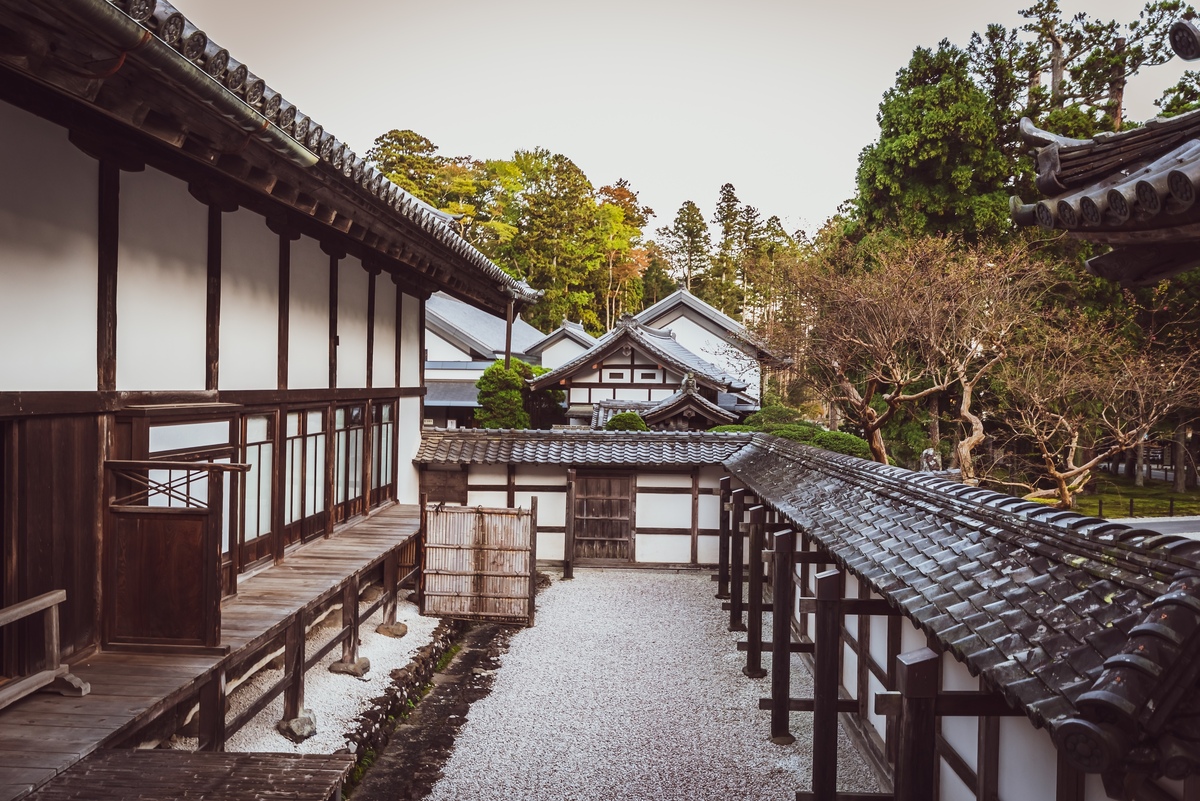
Imagine a narrow alley in Tokyo, then swap the neon for moss and cedar. Zuiganji combines shoin-style residential architecture with Zen temple simplicity, creating a layout that feels intimate and ceremonial at once. Here's the kicker: the interiors include ornate sliding doors with lacquerwork and painting that reflect Momoyama and early Edo tastes, and the hojo (abbot's quarters) demonstrates refined 書院造 (shoin-zukuri) influences. The main hall, referred to as 本堂 (hondō), has structural timberwork and joinery techniques that are excellent study material if you're into traditional carpentry and architectural vocab. See what I mean?
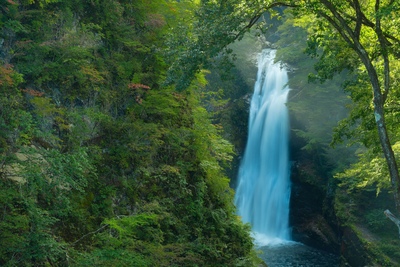
What to see inside the National Treasure main hall
Ever wondered why a main hall earns National Treasure status? At Zuiganji, it's a combination of age, craftsmanship, and historical significance tied to Date Masamune's patronage. Inside, you'll find classical Zen altar arrangements, lacquered fittings, and fine examples of 襖 (fusuma) art. Oh, almost forgot: don't miss the connected garden views, framed like living scroll paintings, which show how architecture and landscape were composed together in the Edo period. My verdict? The main hall rewards slow looking.

Art and carpentry details
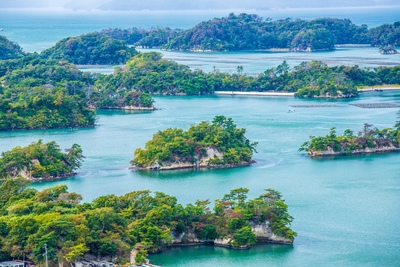
Compared to back home, the joinery here is astonishing. Wooden beams fit together without nails in places, and the surviving polychrome work still reads vividly after four centuries. The hojo gardens use borrowed scenery techniques that reference nearby Matsushima Bay; it's a lesson in Japanese aesthetic principles you can actually walk through. The best part? These details offer concrete vocabulary practice for learners, like 庭 (niwa), 本堂 (hondō), and 襖 (fusuma). But that's not all.



Visiting Zuiganji in Matsushima, practical tips
Know that feeling when you want to pack history, food, and scenic views into one day trip? Matsushima is one of Japan's three scenic views, and Zuiganji sits a short walk from the bay, so you can combine temple time with a boat cruise around the islands. Here's the deal: take the JR Senseki Line to Matsushimakaigan Station, then walk roughly 10 minutes to the temple precincts. The best part? This proximity makes Zuiganji a very doable half-day stop from Sendai. See what I mean?
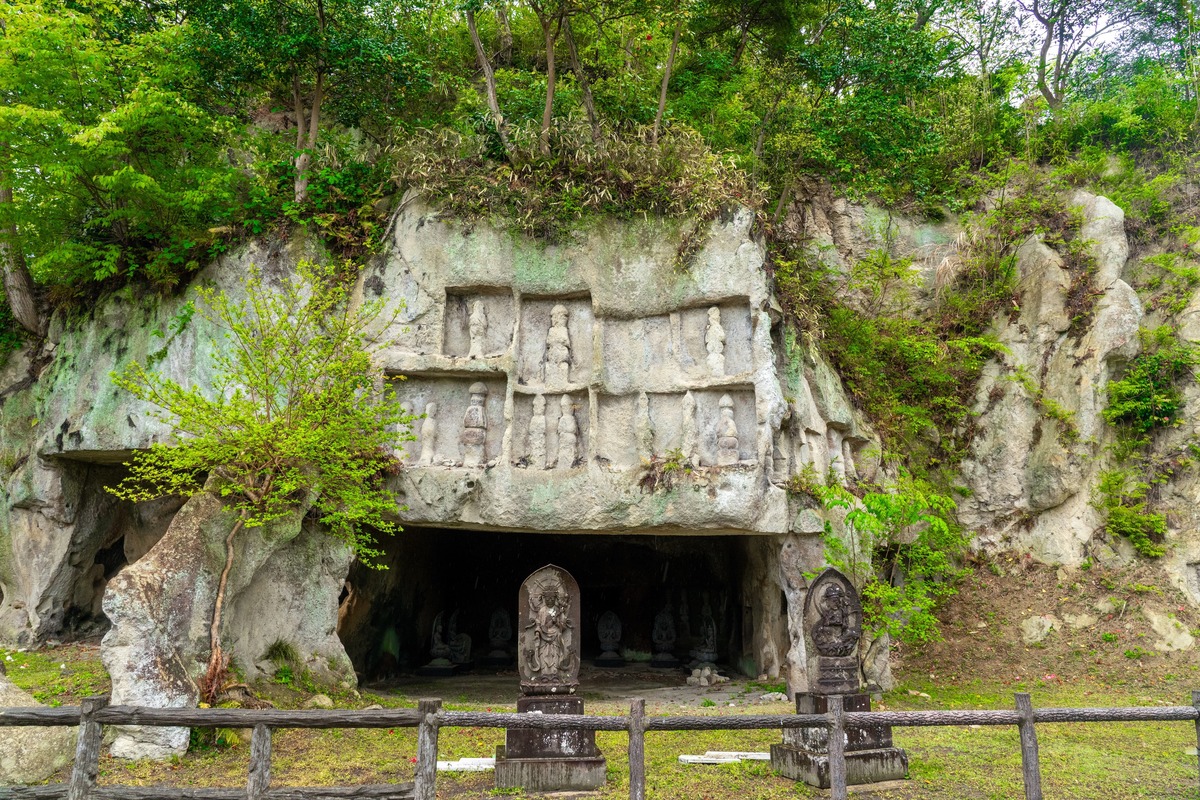
When to go and what to bring
To be fair, mornings are quieter, and the light through cedar trees is superb for photos and sketching. My tip? Bring a notebook to jot down vocabulary on the spot, like 寺 (tera) for temple or 侍 (samurai) if you're reading local history plaques about Date Masamune. While we're at it, respect photography rules inside buildings, and wear shoes you can remove easily for indoor spaces. Not bad, right?
Why Zuiganji matters for Japan learners and fans
Direct address: if you're studying Edo-period history or practicing kanji related to architecture, Zuiganji is a living textbook. Learning the words for gate, hall, and garden while standing in front of the real thing links vocabulary to memory in a way flashcards can't. Here's the kicker: Date Masamune's patronage ties the site to a larger story of regional identity in Tohoku, which enriches your cultural knowledge beyond the usual Tokyo-centric narratives. My verdict? A must-see for serious Japan fans.
In pictures
Frequently Asked Questions
How do I get to Zuiganji from Sendai?
Take the JR Senseki Line to Matsushimakaigan Station, then walk about 10 minutes to the temple area.
Is the main hall open to the public?
Yes, visitors can enter certain buildings and the hojo area, though some interior rooms may be restricted for preservation reasons.