
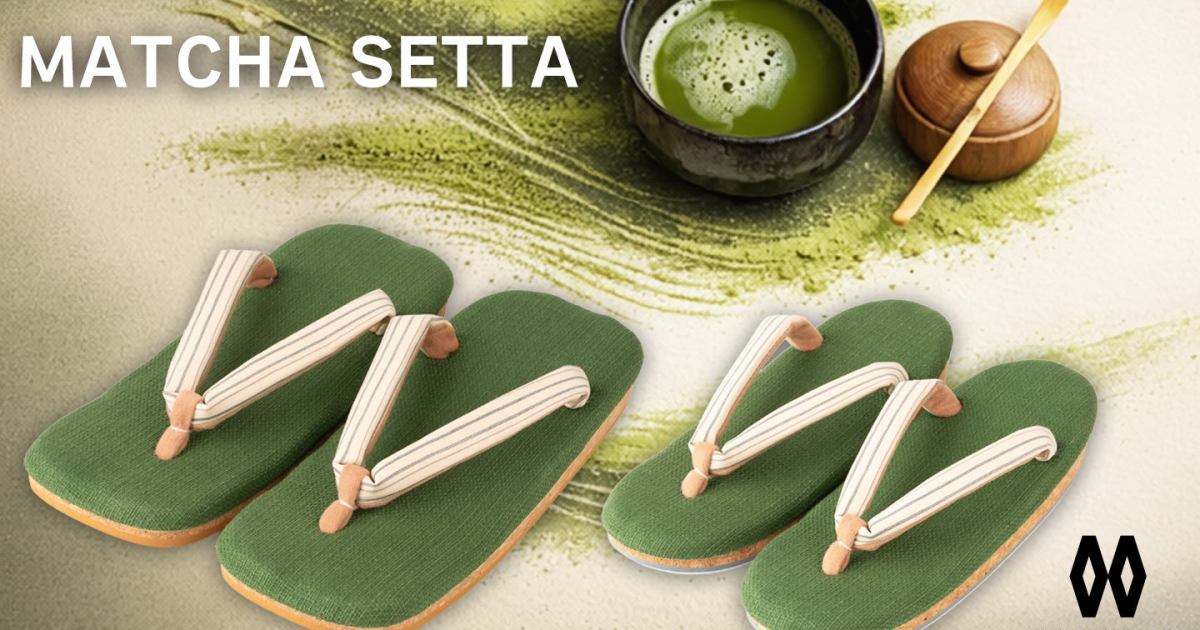
What are Uji matcha sandals?
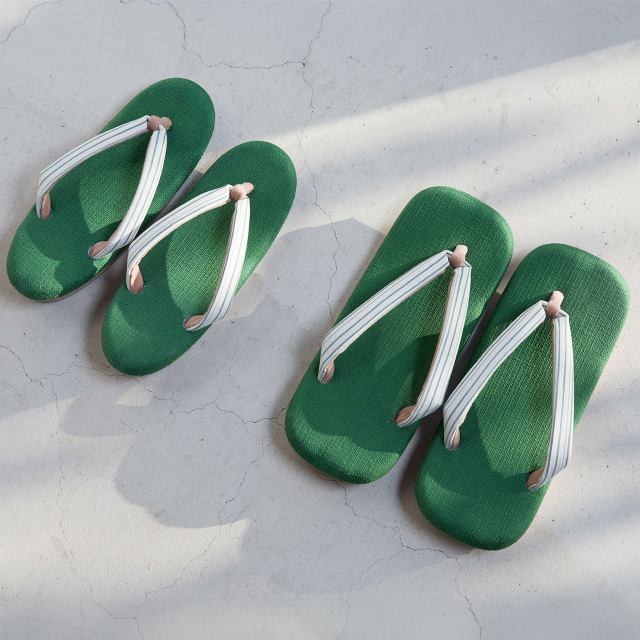
Ever wondered why a pair of sandals would make headlines? These aren't ordinary sandals. They are traditional setta|雪駄 (setta-style) Japanese sandals, hand-dyed using actual powdered matcha|抹茶 (matcha) sourced from Uji, the tea-producing area of Kyoto prefecture. Quick detour: Uji has been famous for high-grade green tea since the 12th century, so calling this "Uji matcha" is more than just marketing.



Plot twist: the dye isn't a synthetic green pigment. It's real tea powder, applied in a controlled process by Kyoto artisans. Sounds weird, but it's true. Convinced yet?
How Kyoto producers make green-tea dyed setta
Did you know that Kyoto makers often mix craft with local ingredients? Local dye houses in Kyoto have experimented with food-derived dyes for years. For these sandals, powdered Uji matcha is dissolved and used as a dye bath, giving the straps and sometimes the soles an uncanny verdant hue. Seriously though, the technique takes care. Matcha breaks down differently from plant dyes, so artisans adjust pH and use stabilisers to keep the colour from fading quickly.
Production details from Kyoto
It's early morning in Kyoto. Artisans work in small studios, measuring grams of matcha and testing swatches. The production is small-batch. Makers source the matcha from Uji farms, and the sandals are assembled by cobblers who know traditional setta construction: hemp or leather thongs, a wooden or layered sole, and hand-stitched finishing. That's why Kyoto-made pieces carry a pride of place among collectors and fashion fans. My verdict? It feels like wearable local culture.
Style, practicality and the wow factor
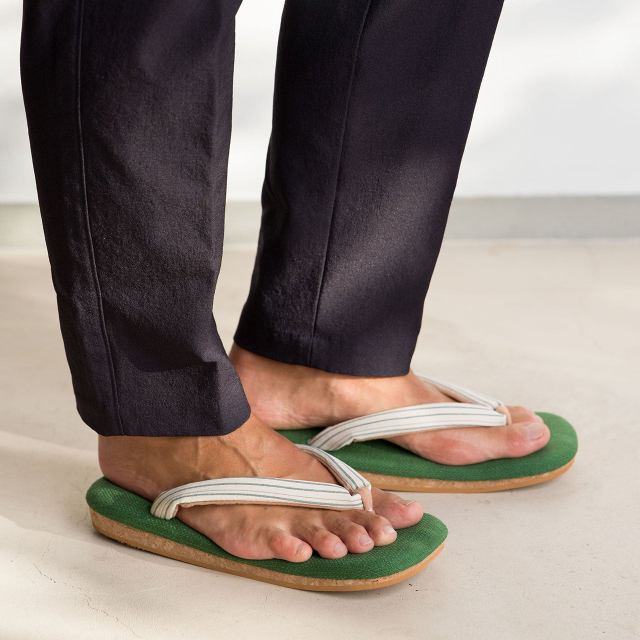
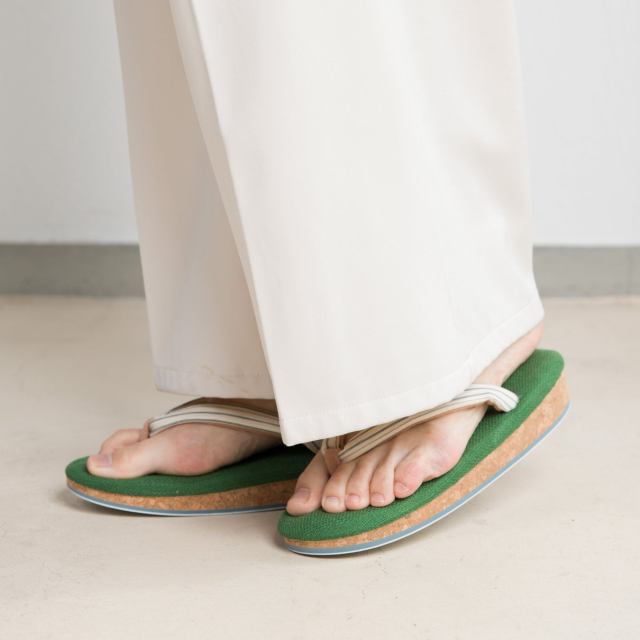
Let me show you why these sandals have visual oomph. The green tone of real matcha is softer than neon dyes, earthy and slightly muted, with subtle variations that look like brush strokes. And it gets better: photos of the sandals pop on social feeds. For people who love Japanese aesthetics, they hit two notes: traditional and playful. Sounds good, right?
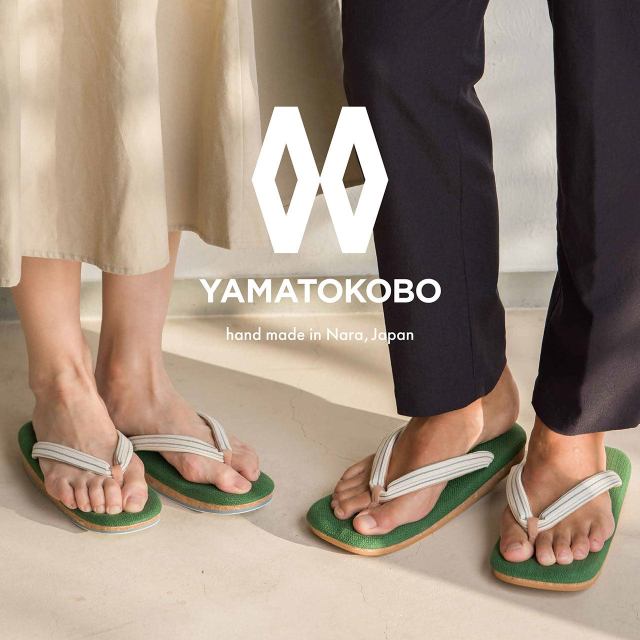
What I especially like are the pairing possibilities. Wear them with rolled-up jeans, a linen yukata-inspired shirt, or even minimalist summer dresses. They create a strong Japan-inspired look without shouting cosplay. Highly recommended? Pair them with green tea accessories or a tote printed with Uji scenery for a themed outfit.



Learning opportunities for Japanese students
Did you know that everyday items can become vocabulary lessons? These sandals let you practice words like matcha|抹茶 (matcha) (green tea), Uji|宇治|Uji (the tea region), and setta|雪駄 (setta) (traditional sandals). Quick detour: you can also study kanji for Kyoto, Kyoto|京都|Kyoto, and compare usage in product descriptions. My tip? Write a short review in Japanese using new vocab, then post it to a language exchange for feedback. Convinced yet?
Pronunciation and kanji practice
Ever wondered why kanji matters? Seeing the characters 抹茶 with romaji matcha helps connect reading, meaning, and pronunciation. Practice aloud: Uji is pronounced yoo-jee in English approximation, but listen to native speakers to refine your pitch and rhythm. Insider tip: search for videos of Kyoto artisans to hear how they describe their craft in natural speech.
Care, durability and etiquette
Before I forget, these matcha-dyed sandals are fashionable, but they need gentle care. Matcha is a food substance, so even though it becomes a dye, it can react to moisture differently than synthetic dyes. Wipe with a damp cloth, keep away from prolonged rain, and store in a dry, cool place. Seriously though, don't try to snack on them.
And there's a cultural angle. Wearing setta connects to Japanese customs around footwear. For indoor spaces where shoes are removed, traditional sandals are rarely worn inside, so be mindful of where you step. That's why many collectors reserve their special pairs for festivals, hanami, or relaxed outside outings. My tip? Treat them as a conversation starter at your next language meetup.
Frequently Asked Questions
Are these sandals actually dyed with real matcha?
Yes. The dye uses powdered Uji matcha sourced from the Uji area of Kyoto, applied by artisan dyers.
Will the colour fade quickly?
Because matcha is an organic dye, some fading is possible. Gentle care and avoiding heavy moisture will help preserve the colour.
Are they comfortable to wear every day?
They are traditional setta, built for casual use, but comfort depends on sole construction. Check product specs and sizing before buying.


