
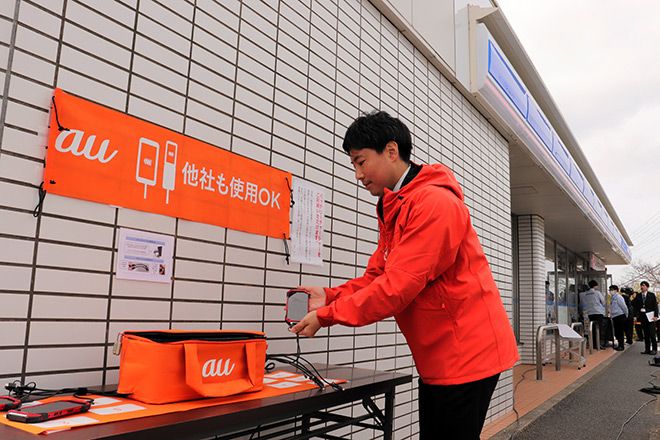
How konbini are gearing up for emergencies
Guess what? Chains like 7-Eleven Japan, Lawson, and FamilyMart are investing in training, equipment, and local coordination to play a bigger role when disasters strike.
No joke: after the Great East Japan Earthquake in 2011, many konbini stayed closed because staff couldn't get to work and supply lines were broken. That taught operators hard lessons. That brings us to recent moves, reported by The Asahi Shimbun, where companies are designing faster response systems so stores can act within hours instead of days.

Concrete measures at the store level
Let me show you why these are real changes, not just PR. Some stores now have emergency power generators that can keep refrigerators running. They keep extra bottled water and ready-to-eat meals on hand, and staff learn how to coordinate with local government evacuation centres.
Plot twist: it's not just hardware. Seven & I Holdings, which operates 7-Eleven Japan, has been testing logistics protocols that prioritise restocking stores near evacuation sites, while Lawson has run drills with municipal disaster management teams in cities like Sendai and Kumamoto. From my experience, these drills speed up decision-making on the ground.
Why speed matters in a disaster-prone country
Know that feeling when you realise the power's out and you need water, batteries, and something warm to eat? In Japan, where earthquakes and typhoons are common, quick delivery of essentials can reduce panic and medical issues.
Quick detour: in urban neighbourhoods, konbini act as informal community hubs. They're open 24 hours in many areas, accept cash and electronic payments, and offer ATMs, copies, and basic toiletries. That makes them practical distribution points when larger supply chains stall.
Numbers and scale
Hand on heart, there are around 55,000 convenience stores across Japan, concentrated in cities but also present in rural towns. That density means konbini can reach residents faster than centralised emergency depots in many situations, especially for initial 24-48 hour needs.
Here's the catch: stores aren't warehouses. They can't hold months of stock. Operators focus on rapid triage, topping up key items like bottled water, onigiri, and portable chargers, then handing over distribution to municipal authorities for longer-term needs. Sounds good, right?
How this ties into Japanese culture and language learning
Before I forget, konbini culture is a great window into daily Japanese life and vocabulary. Learning words like shelter 避難所 (hinanjo), emergency kit 緊急キット (kinkyuu kitto), and volunteer ボランティア (borantia) helps you understand news reports and local guidance during crises.
While we're at it, studying konbini-related signage teaches practical kanji too, like 飲料 for beverages and 電源 for power. My tip: next time you visit Japan, take a photo of a konbini emergency corner and quiz yourself on the labels. You'll remember terms faster.

What I especially like is that these efforts show how private businesses and local communities work together, a modern twist on the Japanese value of mutual aid, which shows up in neighbourhood groups called chonaikai helping during disasters.
Challenges and the long-term picture
Guess what? The big operational challenge is staffing during a disaster because employees may be affected themselves. Companies are experimenting with rotating teams, temporary accommodation for staff, and partnerships with local volunteer networks to keep stores operational.
Plot twist: logistics hubs can still be bottlenecks. Even with store-level preparedness, getting fresh stock into affected areas depends on roads and distribution centres. That's why konbini chains are lobbying for clearer roles in municipal disaster plans and testing faster delivery routes.
Insider tip: if you're learning Japanese news vocabulary, follow updates from The Asahi Shimbun and company press releases from Seven & I Holdings and Lawson to see real examples of how language is used in official disaster communication.
From my experience, konbini in Japan are more than snack shops; they're a familiar and practical layer of resilience people rely on, often before official aid arrives. Convinced yet?
Frequently Asked Questions
What is a konbini?
A konbini is a Japanese convenience store that sells food, drinks, basic household items, and often provides services like ATMs and bill payment.
Can konbini really help during disasters?
Yes, konbini can supply essentials like water and ready-to-eat meals, provide information, and act as local distribution hubs when they're coordinated with authorities.


