
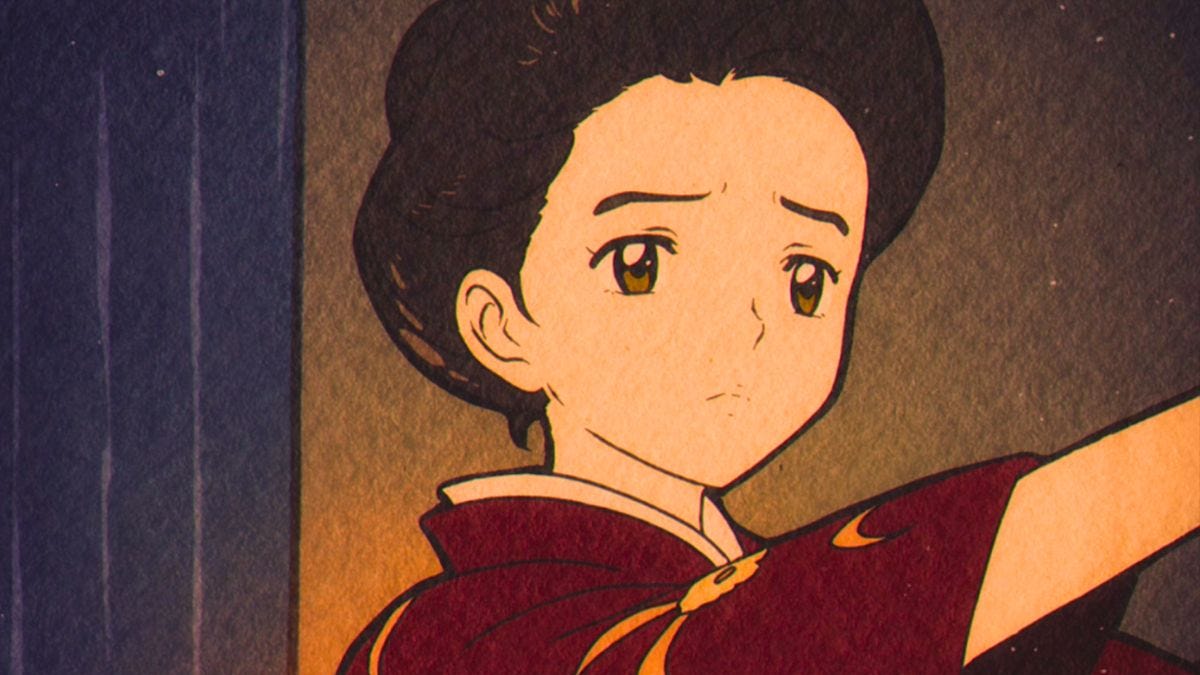
MAO by Rumiko Takahashi: a return to folklore with a twist
Here's the thing: Rumiko Takahashi started MAO in 2019 in Weekly Shonen Sunday, and the series reads like a mature reunion with yokai motifs. You know that feeling when an author you've read since childhood suddenly writes something darker? That's MAO for many fans.
Imagine a narrow alley in Tokyo, but the mood shifts toward provincial shrines and Heian-era ghosts. That's why the setting often toggles between modern life and layered folklore. On a related note, the protagonist's encounters with spirits echo classic mystery-horror beats, and that tone invites comparison with mid-20th century horror manga.
Publication facts and learning opportunities
No joke, MAO's serialization in Weekly Shonen Sunday since 2019 makes it one of Rumiko's most recent long-form projects after Inuyasha ended in 2008. My tip for learners: MAO offers useful vocabulary around shrine rituals, seasonal festivals, and onmyoji language that pairs well with reading practice.
Kazuo Umezu: the grammar of dread in manga history
Do you know that feeling when a single panel ruins your sleep? Kazuo Umezu made millions of readers feel that way starting decades ago. Here's the kicker: Umezu's landmark work The Drifting Classroom ran from 1972 to 1974 and rewired horror expectations in manga by combining child protagonists with apocalyptic isolation.
On a related note, Umezu's body of work, including Orochi, which collected supernatural short stories, established recurring visual motifs like contorted faces and sudden perspective shifts. Hand on heart, those stylistic choices show up as visual shorthand in later horror manga, MAO included.
Concrete elements to watch for
Imagine a narrow alley in Tokyo, but drawn with Umezu's angled horizons and close-ups, that's a visual echo. On the flip side, Umezu often used claustrophobic layouts, while Rumiko tempers horror with character-driven humour learned from Urusei Yatsura and Ranma 1/2, so MAO never becomes pure body horror.
Rumiko Takahashi and Inuyasha: kanji, folklore and cross-text resonance
Here's the thing: Rumiko's earlier series Inuyasha ran from 1996 to 2008, and its title uses the kanji 犬夜叉, literally 'dog' plus 'yasha' or yaksha, a type of spirit. That's why Inuyasha is often taught in intermediate Japanese classes to show kanji compounds that fuse everyday and mythic language.
Quick detour: Inuyasha's use of historical Kyoto settings and Sengoku-era references trained Rumiko to blend historical vocabulary with modern speech patterns. On a related note, those skills appear in MAO, where antique charm and modern slang sit side by side, making it a fun study text for learners who want period words and conversational Japanese in one series.
Kanji as cultural signpost
No joke, looking at 犬夜叉, you can teach students how kanji can signal genre. Here's the kicker: MAO doesn't spell out everything with kanji flashiness, but it does use shrine names, old place names, and ritual terms that reward readers who glance up a dictionary during reading. From my experience, pausing to note place-name kanji deepens both language and cultural understanding.
Comparing techniques: how MAO borrows and transforms Umezu's language
Do you know that feeling when a new work sounds familiar but still surprises you? MAO borrows Umezu's sudden shocks, but Rumiko applies them to relationship beats rather than pure terror. On the flip side, Umezu's terror often isolates characters, whereas Rumiko keeps her ensemble engaged, blending dread with interpersonal stakes.
Here's the kicker: stylistically, panel composition and facial distortion in a few MAO scenes feel like visual nods to Umezu's 1970s aesthetic. Quick detour: if you want to spot parallels, compare Umezu's The Drifting Classroom panels with similarly framed scenes in MAO and pay attention to rhythm, not just imagery.
Hand on heart, what I especially like is how MAO serves both fans of classical horror and students of Japanese. You'll get yokai lore, shrine vocabulary, and occasionally historic place names that are great for Anki cards. My verdict? MAO reads like a respectful remix of Umezu's scares, filtered through Rumiko's lifelong interest in folklore and clear character work.
Convinced yet?
Frequently Asked Questions
Is MAO written by Rumiko Takahashi?
Yes. Rumiko Takahashi began MAO in 2019 in Weekly Shonen Sunday.
Who is Kazuo Umezu and why is he important?
Kazuo Umezu is a pioneering horror manga artist known for works like The Drifting Classroom from 1972 to 1974, and his style influenced later creators.
Can I use MAO to study Japanese?
Yes, MAO includes shrine vocabulary, historical place names, and conversational speech that are useful for learners.


