
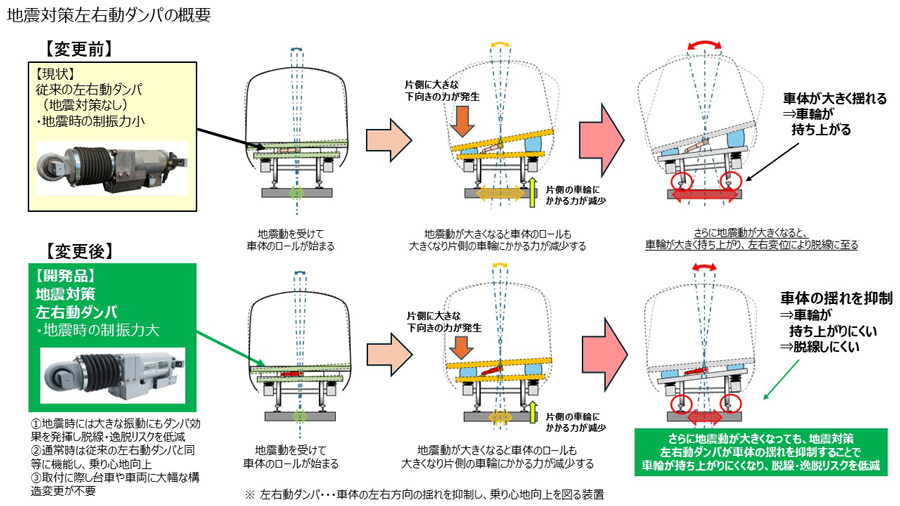
Why Lateral Earthquake Dampers Are a Game-Changer for the Shinkansen
Japan sits at the intersection of four tectonic plates. Strong earthquakes aren't rare events here; they're a fact of life. For a high-speed rail network like the 新幹線 (Shinkansen, New Main Line) - better known worldwide as the Bullet Train - that's a permanent engineering challenge that never goes away.
Existing safety systems like UrEDAS (Urgent Earthquake Detection and Alarm System) work primarily by automatically braking trains before the powerful S-waves of an earthquake arrive. That works well, but only when there's enough warning time. For an earthquake directly beneath the track, that window can shrink to almost nothing. Here's the deal: JR East's new technology doesn't just rely on braking. It physically stabilises the train even while the ground is shaking.
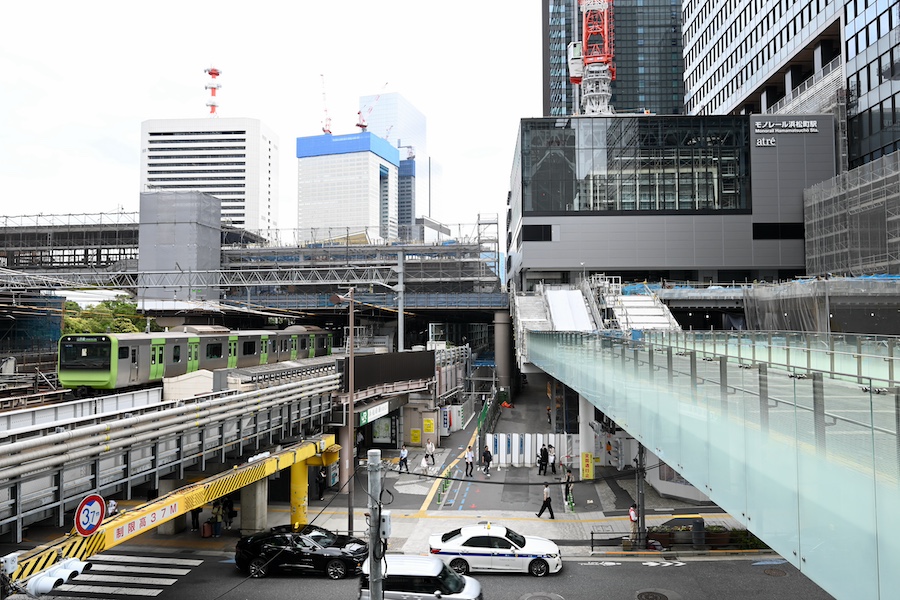
The key difference from existing damper technology lies in the axis of effect. Current dampers on Shinkansen trains work primarily in the vertical direction or along the direction of travel. Lateral forces - the side-to-side shaking that's typical of earthquakes - were never specifically targeted until now. JR East is closing exactly that gap with these new dampers. Not bad, right?
Tech Deep-Dive: How the Lateral Seismic Dampers Work
The new dampers are designed as hydraulic, oil-pressure-based components installed between the car body and the bogie - the wheeled undercarriage of the train. They act perpendicular to the direction of travel, absorbing lateral vibration energy before it can transfer into the passenger cabin.
The Bogie: Heart of Shinkansen Engineering
The 台車 (daisha, bogie/undercarriage) is the mechanical heart of every Shinkansen car. It carries the weight of the train and transfers all forces between the rail and the car body. Existing dampers at the bogie-to-body interface were engineered for ride comfort at high speed - curves, track irregularities, crosswinds. The new lateral seismic dampers extend that system with a dedicated earthquake protection function.
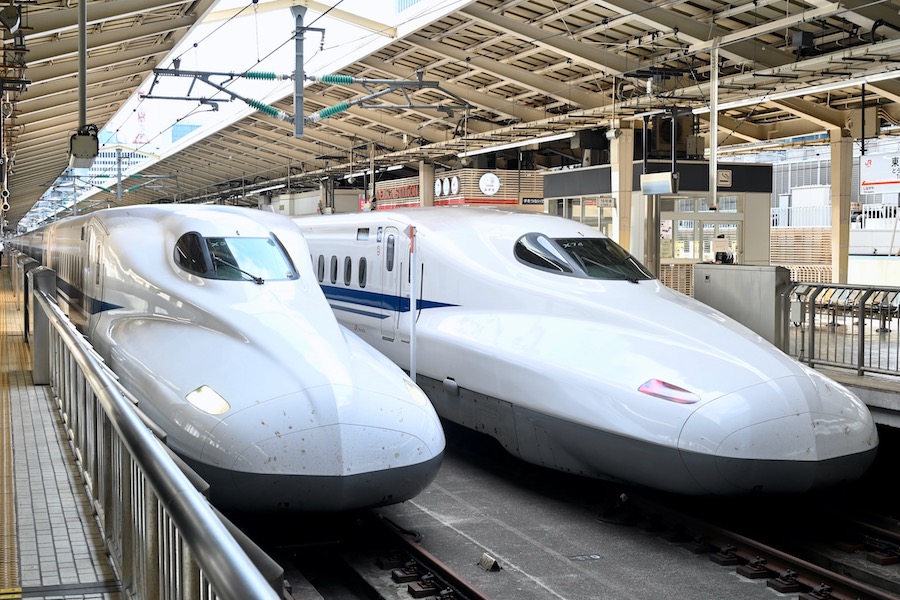
In practical terms, the dampers are designed to actively engage when lateral accelerations exceed a defined threshold, dissipating that energy - converting it into heat. The advantage over purely passive systems: the damping force can be tuned specifically to the frequency spectrum of seismic waves, which differs significantly from ordinary riding vibrations.
Retrofittable - No Need to Replace the Entire Fleet
One practical detail JR East is particularly keen to highlight: the dampers are designed to be retrofittable. That means they won't just appear in new trains; they can be integrated into existing rolling stock too. That's technically demanding, but economically essential. JR East's Shinkansen fleet spans dozens of different series, from the venerable E2 Series to the modern E7 Series running the Hokuriku Shinkansen between Tokyo and Kanazawa.
Gradual Rollout: What JR East Is Actually Planning
JR East has announced a phased introduction of the technology. A specific timeline or a named starting series hasn't been publicly confirmed yet. The development was driven internally and, according to JR East, represents a first in Japan: no other rail operator has developed and brought lateral seismic dampers for high-speed trains to production readiness.
Context matters here. Japan has experienced several incidents in recent years where even its sophisticated early warning systems were pushed to their limits. During the 地震 (jishin, earthquake) near Fukushima in March 2022, a Tohoku Shinkansen E4 Series train derailed - no one was seriously injured, but the incident made clear that mechanical stabilisation during an actual quake can be life-saving. Events like that sharply accelerate the development of new protection systems.
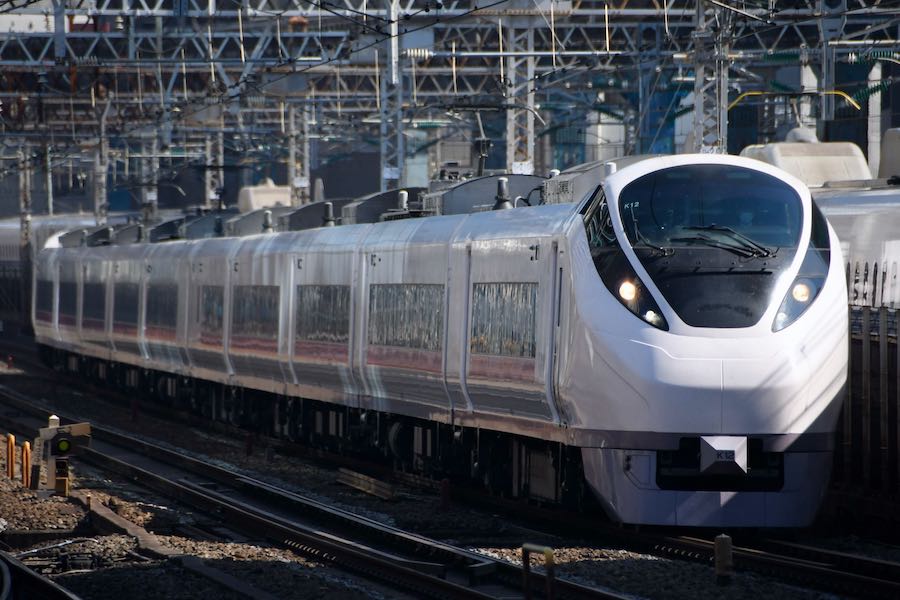
For Japanese learners, the word 安全 (anzen, safety) is central to any rail-related vocabulary - you'll encounter it on platforms, in announcements, and on signage everywhere across Japan. And 技術 (gijutsu, technology/engineering) is the word behind Japan's engineering culture - a country that has elevated precision to something close to a national philosophy.
Shinkansen Safety as a Cultural Phenomenon - And Why It Matters to Japan Fans
The Shinkansen isn't just a train. It's a national symbol, an expression of Japanese engineering craftsmanship, and a promise to its passengers: punctuality, comfort - and absolute safety. Since the very first Shinkansen launched in 1964 between Tokyo and Osaka, there has not been a single passenger fatality from a train accident in regular service. That record is no accident. It's the direct result of decades of investment in technologies like these new earthquake dampers.
For Japan fans visiting the country, a Shinkansen ride is almost a rite of passage. Once you've glided past Mount Fuji at up to 285 km/h on the Nozomi, you understand why Japan loves this train so deeply. And knowing that Japan's latest anti-earthquake engineering is quietly at work beneath the car floor makes the experience even more impressive.
Further background on this development is available in the original English-language report at Traicy.
Frequently Asked Questions
What are lateral seismic dampers on the Shinkansen?
They are hydraulic components installed between the car body and the bogie that absorb side-to-side shaking caused by earthquakes - a technology JR East has developed specifically for high-speed trains for the first time in Japan.
When will the new earthquake dampers be deployed?
JR East has announced a phased rollout. No specific start date or named train series has been publicly confirmed yet.
Is the Shinkansen safe without these new dampers?
Yes - the Shinkansen already features sophisticated early warning systems like UrEDAS that automatically brake trains when an earthquake is detected. The new dampers add a layer of mechanical stabilisation on top of that, particularly for earthquakes that originate directly beneath the track with little or no warning time.


