What makes this one worth watching is the way it treats the series’ legacy with enough restraint to feel deliberate, not lazy. Sega isn’t pretending this is a grand revival; it’s a merchandise rollout built around a specific fan base, and that’s often where these things work best in practice, not on paper.


Sega Lucky Kuji and Magic Knight Rayearth arrive as a retail lottery
Sega Fave has announced Sega Lucky くじ (kuji, lottery draw) TV anime Magic Knight Rayearth, with a release scheduled from 27 November 2026 in stores such as Lawson, Ministop and hobby shops. The price is 770 yen per draw, which puts it squarely in the familiar kuji lane: accessible enough to tempt casual buyers, expensive enough to make repeated pulls a decision rather than a reflex.
That matters because kuji culture lives or dies on balance. If the entry price is too high, the whole thing feels punitive. Too low, and the prize lineup stops carrying any weight. Here, Sega has gone with the standard format that Japanese fans already understand, and that familiarity is part of the appeal.
What the lineup is actually selling
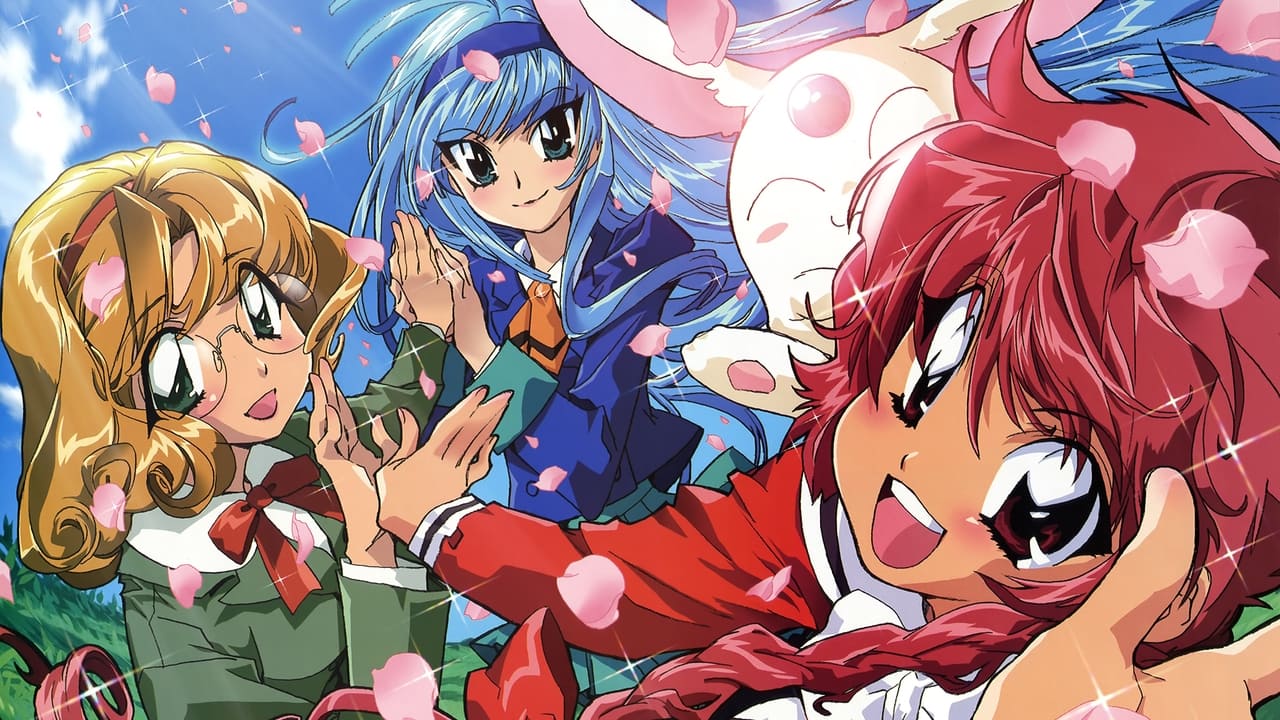
The official materials point to a set built around new artwork, including an illustrated Mokona in pyjamas, which is exactly the kind of choice that tells you where the marketing brain is pointing. Not to lore density. Not to deep-cut mechanical references. To charm, softness and instantly readable character design. For a series like Magic Knight Rayearth, that’s a smart call.
The campaign also includes a double lucky prize, or ダブルラッキー賞 (daboru rakkii sho, double lucky prize), in which buyers can apply using the code on the ticket. Sega Fave says the prize is a full set of the mascot plushies from B Prize, with 10 winners selected. One important caveat: this double lucky prize is not being run through Sega Lucky Kuji Online, only through the physical lottery.
What many overlook is that these kuji launches are as much about distribution design as they are about the prizes themselves. Lawson and Ministop give the line broad convenience-store visibility, while hobby shops keep the collector angle intact. The result is a product that can catch both the casual buyer and the person who already knows exactly which shelf they want it from.
Why Magic Knight Rayearth still works for this format
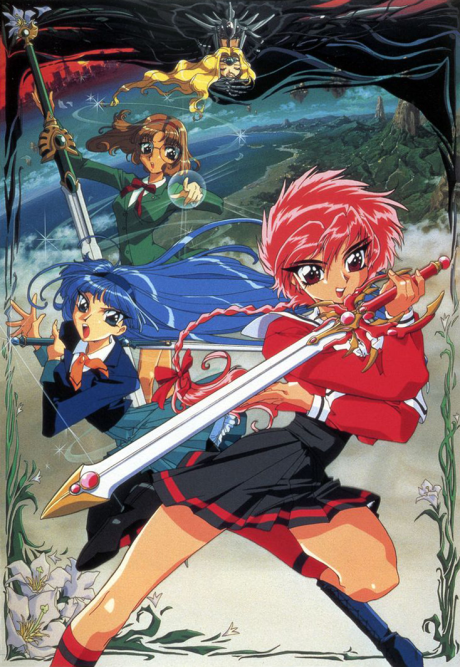
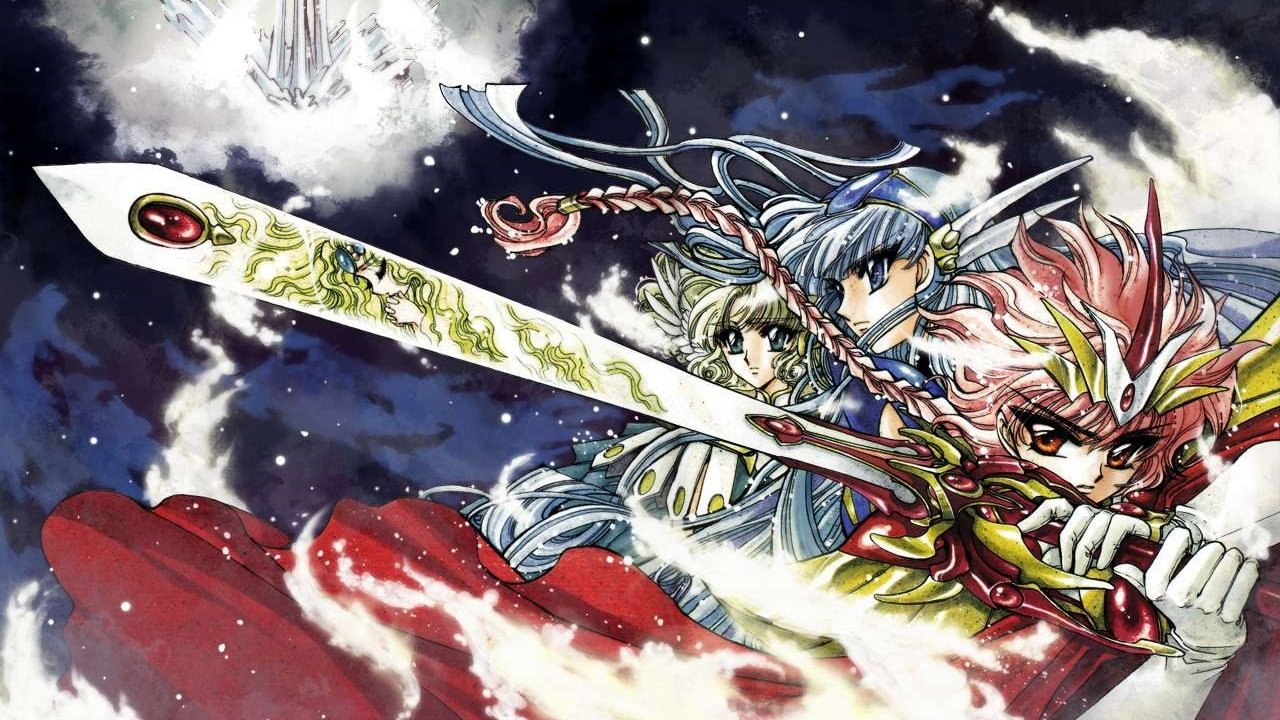
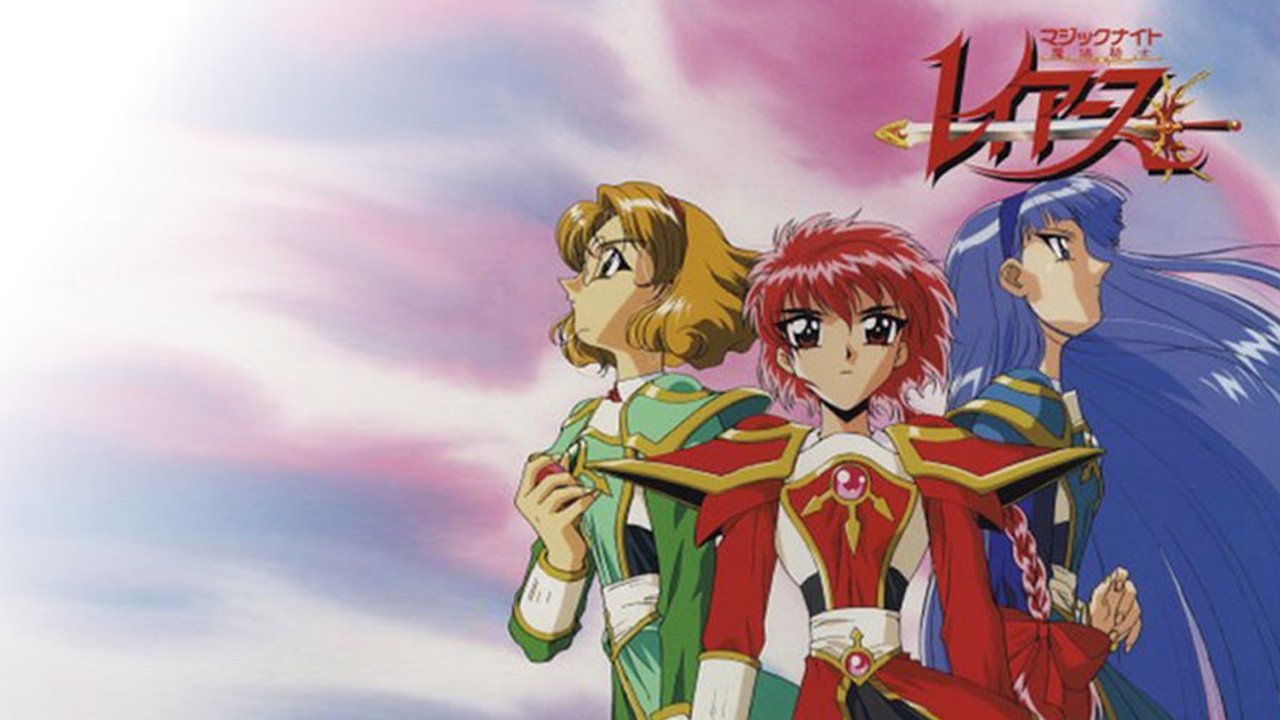
Magic Knight Rayearth has always been a good candidate for merchandise that leans into character presentation. The series sits at an intersection that Japanese fans still recognise immediately: magical girl aesthetics, fantasy adventure, and the CLAMP style that makes even a mascot character feel like it arrived fully dressed for the camera. That visual identity does a lot of heavy lifting when a lottery needs to be legible in seconds.

For Japanese language learners, this is also a neat little case study in how entertainment branding works in Japan. Words like kuji and マスコット (masukotto, mascot) are not just vocabulary items, they’re part of a retail grammar. If you can read a release like this, you’re not just translating nouns, you’re learning how product categories are organised, where they’re sold, and how limited goods are framed for purchase.
And yes, that structure matters. A collaboration like this is not trying to reinvent the property. It’s trying to make the property easy to buy again. That sounds mundane because it is mundane, but Japanese character merchandising runs on mundane precision. The industry’s little miracles are usually administrative, not dramatic.

Why this release is worth noting for anime fans
Here’s the catch: a lot of anniversary or nostalgia merchandise feels like leftovers dressed up as celebration. This doesn’t. The illustrated materials, the physical lottery model, the retail rollout and the extra prize structure all suggest a release designed with actual fan behaviour in mind. You’re meant to browse, take a chance, compare prizes and decide how far down the rabbit hole you want to go.
I especially like that Sega has kept the concept straightforward. No cluttered gimmicks, no overcomplicated app hook, no awkward attempt to pretend the kuji is something else. It’s a collaboration lottery for a beloved anime IP, and it knows exactly what job it’s doing. That kind of clarity is rarer than it should be.
For readers following Japan’s merchandise scene, this is also a reminder that official releases still matter. The presence of a proper store rollout, a named prize structure and a clear purchase date gives the whole campaign legitimacy. In other words, this is not fan noise. It’s an official retail event, and those still shape how anime properties stay visible between larger media pushes.
In pictures

Frequently Asked Questions
When does the Sega Lucky Kuji for Magic Knight Rayearth start?
It is scheduled to go on sale from 27 November 2026.
Where can you buy it?
It will be available at Lawson, Ministop and selected hobby shops in Japan.
How much does one draw cost?
Each draw is priced at 770 yen.