What matters here isn’t just the anniversary label. KARATZ is building the collaboration around natural gemstones, which gives the release a more material, less disposable feel than the average acrylic keychain drop. For Japanese learners, this is also a neat reminder that anime merchandise vocabulary can get surprisingly specific once jewellery enters the picture.

Hikaru no Go anniversary goods with a fixed release date
KARATZ will release its Hikaru no 囲碁 (go, Go (board game)) 25th anniversary collaboration items on 26 November 2026 at 22:00, according to the company’s press release. That date matters because it tells you this isn’t a vague commemorative project or a loose “coming soon” tease, but a scheduled product launch with an actual clock attached to it.
The collaboration covers both jewellery and original グッズ (goods, merchandise). That split is worth noticing. Anime merchandise often defaults to flat, cheap, and loudly branded, but KARATZ is approaching the property from a jewellery-maker’s angle first, then adding goods around it. In practice, that usually means the object has to work as an accessory before it works as fan service.
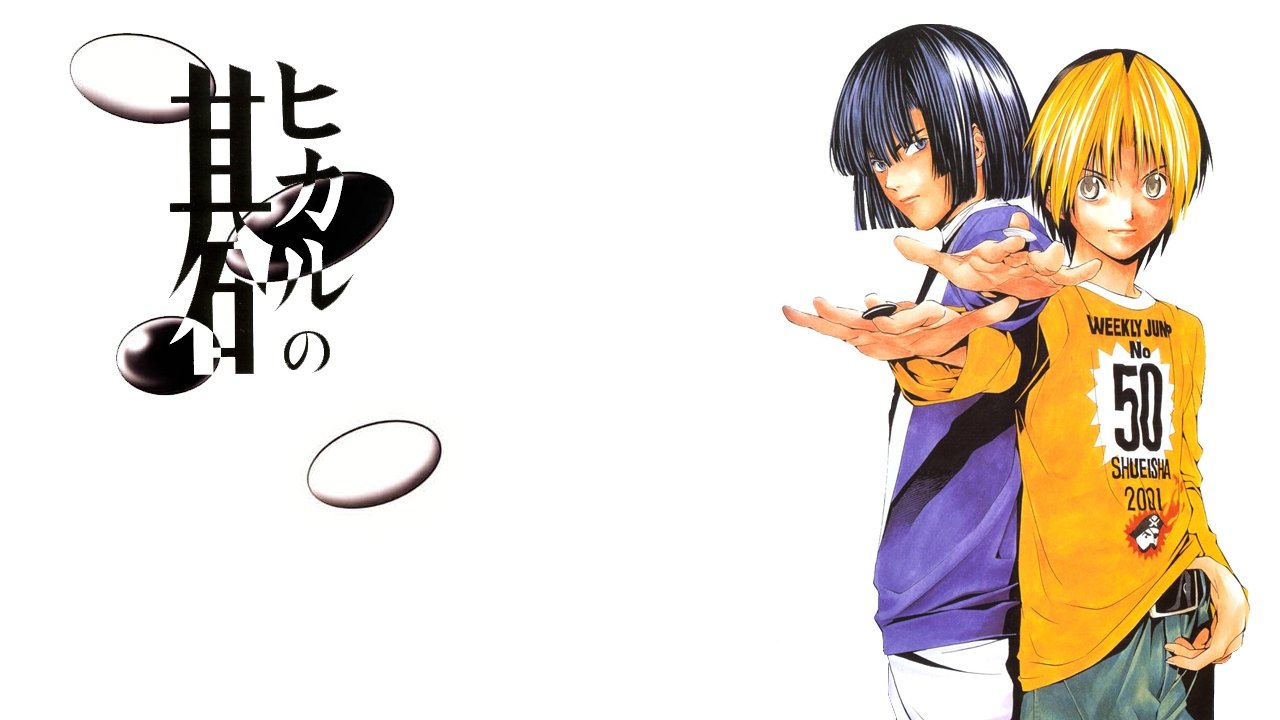
The lineup is built around Hikaru, Sai, and Akira, the three names that carry the series’ emotional structure. If you know the show, you already know why those three matter; if you don’t, the short version is that Hikaru no Go is as much about rivalry, mentorship, and obsession as it is about the game of go itself.
What KARATZ is actually selling
The headline item is the use of natural gemstones in the collaboration jewellery. That’s the key production choice here. A lot of anime jewellery uses the idea of a character motif and then stops at colour matching, but KARATZ is leaning into actual stone selection, which gives the collection a more grounded object quality. You can argue about taste, but not about intent.

That distinction matters for Japan fans and language learners alike because Japanese product copy often separates goods from jewellery very carefully. In Japanese, the market treats these as different categories, not interchangeable merch. A ring or pendant has to justify its material and finish, while a postcard set only has to look nice in a grid. Different standards, different economics.
What I especially like is that this kind of collaboration tends to reward people who care about design language. You’re not just buying a character image slapped onto metal. You’re buying a piece that has to carry symbolism, balance, and wearability. That’s a harder brief, and usually a better one.
Why Hikaru no Go still works as merchandise material
Twenty-five years on, Hikaru no Go remains unusually merchandise-friendly for a series about a board game. The reason is simple: its visual identity is sharp, and its core trio gives designers stable motifs to work with. Hikaru reads as movement and momentum, Sai as elegance with a ghostly edge, and Akira as precision. Those aren’t just character traits, they’re usable design inputs.

On a related note, this is one of those franchises where anniversary products make sense because the story already has a strong sense of formal restraint. Go is a game of stones, boards, and deliberate placement, so the leap to gemstone jewellery isn’t as random as it first sounds. If anything, it fits the property’s visual logic better than a lot of louder modern franchises do.
That doesn’t mean every anniversary product is worth your money. It means the concept has a coherent backbone, which is rarer than it should be. When a collaboration understands the material side of its own branding, you usually get something less tacky and more collectible.
Japanese vocabulary you’ll actually see in releases like this
If you’re learning Japanese, product announcements like this are useful because they recycle the same core words across the industry. ジュエリー (Jewerii, jewellery), goods for merchandise, 記念 (kinen, commemorative), and 発売 (hatsubai, release; launch) for release all show up constantly in anime press material. You’ll also see character names grouped under phrases that mean “modelled after” or “inspired by”, which is the polite commercial language of the whole sector.

My tip: read these announcements like a parts list, not like marketing copy. Once you can spot the release date, product type, material, and character linkage, half the noise falls away. That habit pays off fast, because Japanese merch news loves structure even when the English translation doesn’t.
And yes, the details matter. A collaboration that names natural gemstones and gives a specific launch time is already telling you more than a dozen generic “special project” blurbs ever will.
Which is why Hikaru no Go’s 25th anniversary release is interesting in practice, on paper, and as a bit of industry logic: KARATZ has turned a classic anime into a jewellery-first collaboration, and now you know exactly why that feels more deliberate than most merch drops.
Frequently Asked Questions
When does the KARATZ Hikaru no Go collaboration go on sale?
It starts on 26 November 2026 at 22:00, according to KARATZ.
What is being released?
The collaboration includes jewellery and original goods based on Hikaru no Go.
Why is this collaboration notable?
It uses natural gemstones and focuses on the series’ core characters, which gives the merchandise a more crafted feel than standard anime goods.