For Japan fans, the useful part isn't just the scenery, but the texture of place: where the map opens up, where a ryokan stay makes sense, and how a few Japanese words help you read signs, weather notes, and seasonal notices without guesswork. That matters here, because Hokkaido rewards people who move a little slowly and pay attention.
Why Hokkaido works so well in autumn
Hokkaido turns autumn into a long, cold clarity. The light sits lower, the air feels cleaner, and the island's scale does the rest, with open roads, broad valleys, and lakes that give the foliage room to breathe instead of crowding it into a postcard corner.
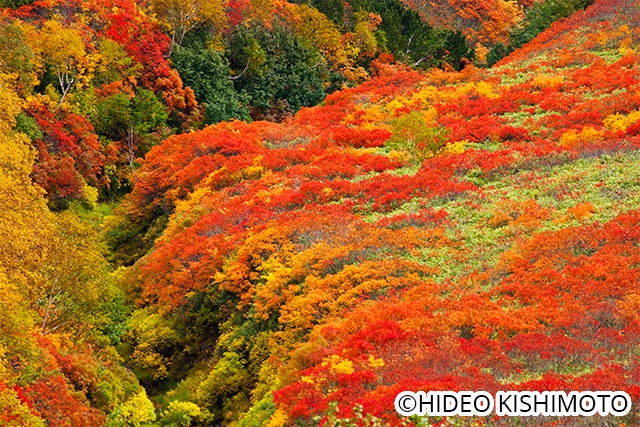
Visit Hokkaido's seasonal feature on 絶景 (zekkei, superb view) autumn leans into exactly that: scenery you notice by moving through it, not by ticking it off. That's the right frame for this island. The best views are often tied to transit time, short walks, and weather that changes the colour of the day as much as the leaves themselves.
For Japanese learners, this is also a useful seasonal vocabulary pocket. Zekkei means a superb view, 紅葉 (koyo, autumn leaves; fall foliage) means autumn leaves, and you'll see both terms used widely in travel writing, signage, and local promotion. Keep an eye out for 山 (yama, mountain), lake, 道 (michi, road; path), and onsen too. They show up everywhere for a reason.
Scenery that changes with elevation
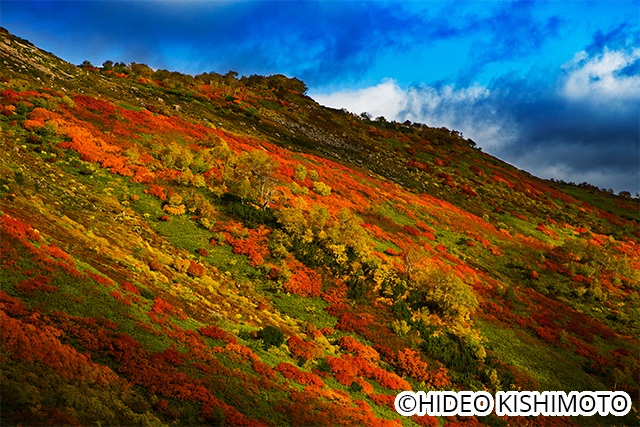
What many overlook is how much Hokkaido's autumn depends on altitude. Higher ground changes first, then the colour shifts down towards basins and rivers, which means a single trip can catch several stages of the season if you time it well and move across the island instead of sitting in one place.
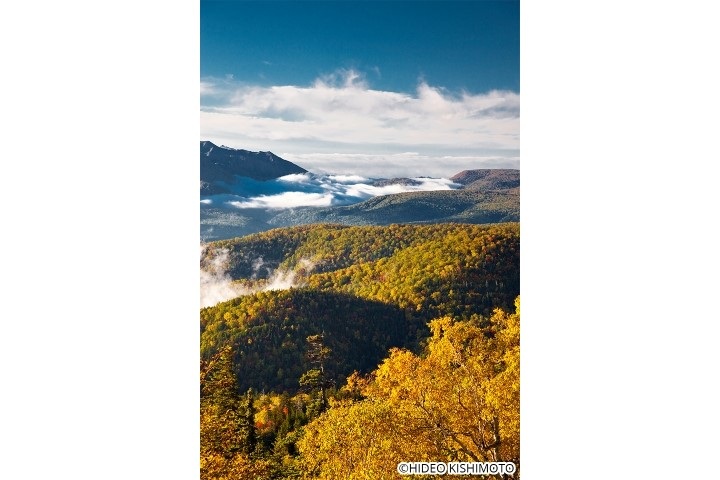
The Visit Hokkaido feature points readers towards a spread of scenic areas rather than one signature spot, and that makes sense. A mountain pass, a lakeside road, and a hot-spring town each give you a different kind of autumn texture, from crisp ridgelines to lumpy forest edges to water reflecting gold and red without much ceremony.
My tip: plan for one scenic base and one day of movement. Hokkaido is too large to treat as a simple day-trip island, and autumn travel here works best when you leave time for slow roads, train connections, and the occasional stop just because the light has changed.
Language note for readers
If you're learning Japanese, this is a good season to practise reading place names and weather notices. Nouns stay honest here, which is part of the charm. Koyo, 泥 (doro, mud), 小屋 (koya, hut; small cottage), 熊 (kuma, bear), onsen. Short words, real places, no fluff.
How to read a Hokkaido autumn route
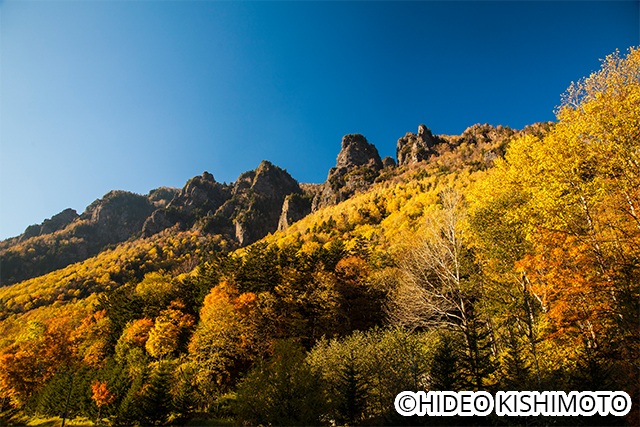
The article's route logic is practical: choose places where scenery and access line up, then build around them. That usually means a rail hub, a rental car base, or a resort area with enough services that you're not wasting time on logistics when the point is to look out the window and keep walking.
Hokkaido's famous autumn viewpoints often work best as a sequence. One place for morning mist, another for midday light, a final stop near sunset. That rhythm matters more than any single vista, because autumn in the north isn't a static showpiece. It changes by hour, cloud cover, and distance travelled. A few kilometres can alter everything.
There's also a quiet value in the ordinary parts: station platforms, roadside vending machines, small soba shops, the stretch between one view and the next. Those aren't filler. They're the texture of the trip, and on Hokkaido they often carry the same seasonal feeling as the major lookout points.
What to pack for a zekkei autumn trip
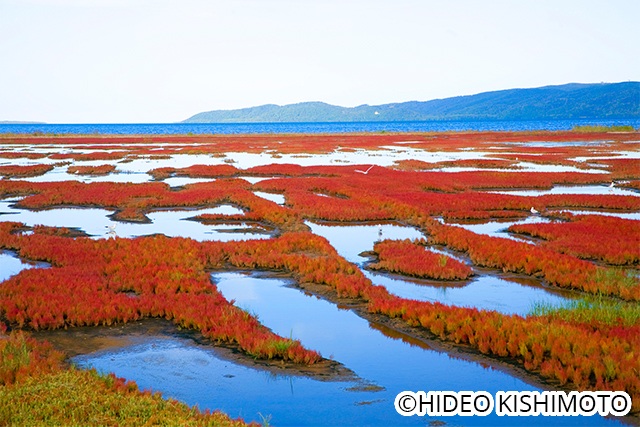
Wear the lightest shoes possible. Not fashion shoes. Walking shoes. Autumn in Hokkaido can mean cool mornings, wind on exposed roads, and uneven ground near viewpoints, so comfort matters more than trying to look arranged for the camera.
Bring layers that can be added and removed quickly, plus gloves if you run cold. The island's autumn can feel sharp by late day, especially inland and at elevation. A compact daypack is enough for most outings, but minimise load where you can. The lumpy part of travel is always the gear you carry, not the scenery you came for.
For readers who want a little Japanese context, ryokan stays and onsen towns are often the easiest way to make an autumn itinerary feel grounded. They give you a place to stop, wash off the road, and see the season from a fixed point rather than from inside a moving vehicle. That changes the pace in a good way.
In the end, Hokkaido's zekkei autumn isn't about spectacle. It is about scale, cold air, and the way a landscape reveals itself when you give it time. More soon.
In pictures
Frequently Asked Questions
When is the best time to see autumn colours in Hokkaido?
It varies by altitude and location, but the season typically begins earlier than in much of mainland Japan and moves from higher ground to lower areas over time.
Do I need a car to see the main autumn scenery?
Not always, but a car can make it easier to connect scenic areas efficiently, especially if you want to cover more than one region in a short stay.
What Japanese word should I remember for autumn scenery?
Zekkei is the most useful one here, since it refers to a superb view or especially scenic landscape.