Tokyo’s fermented-food push is about culture as much as wellness
The Tokyo tourism board’s latest travel update puts fermented food culture front and centre, with 麹 (koji, malted rice / fermentation starter), 甘酒 (amazake, sweet fermented rice drink), 味噌 (miso, fermented soybean paste), and 蓬 (yomogi, mugwort) named as the main themes according to GO TOKYO. The message is simple enough: if you want to think about gut health while travelling, Tokyo gives you a proper route through foods that are already woven into everyday life, not some glossy spa-weekend invention wearing a yoga mat and a halo.
That matters because Japanese fermented food culture isn’t a niche health trend in local terms. Koji sits behind miso, soy sauce, amazake, and a great deal of the savoury depth that makes Japanese food taste, well, properly Japanese. So the Tokyo angle is useful for travellers, but also for learners, because the vocabulary is common, practical, and very much alive in shops, menus, and food labels.
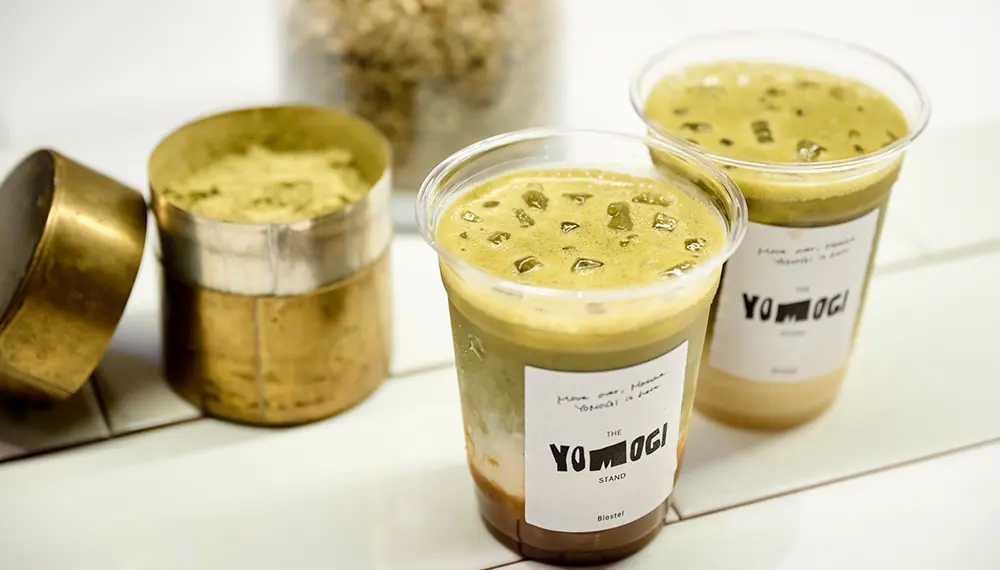
Koji, amazake, miso, and yomogi: the words to watch
Koji is the star of the show, even when it doesn’t behave like one. It’s the mould culture used to ferment grains and beans, and it turns up in miso, sake, shoyu, and other staples that Japanese people treat as ordinary rather than exotic. For language learners, koji, miso, and amazake are worth learning early, because they appear in shops and menus far beyond the tourist trail.
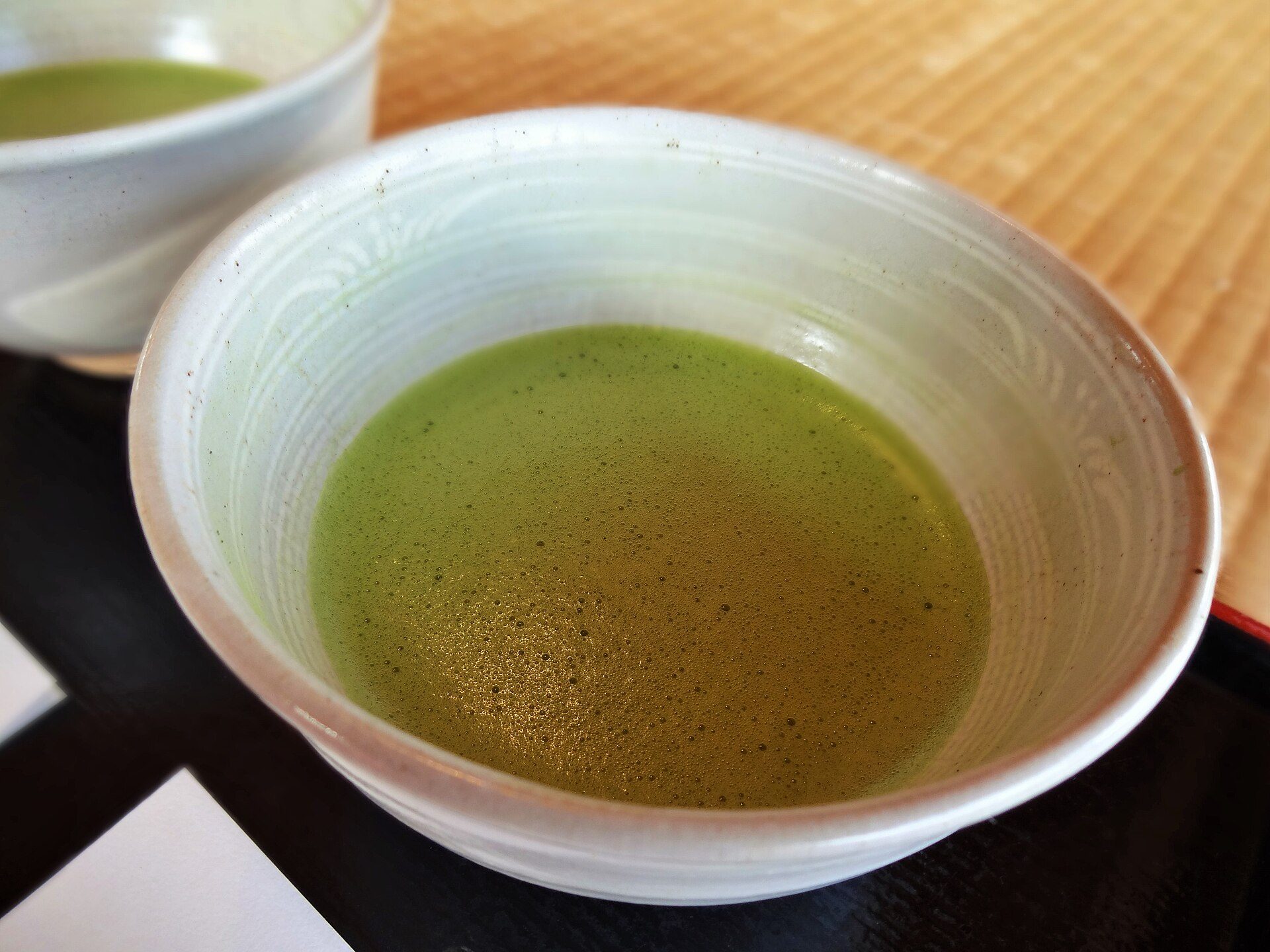
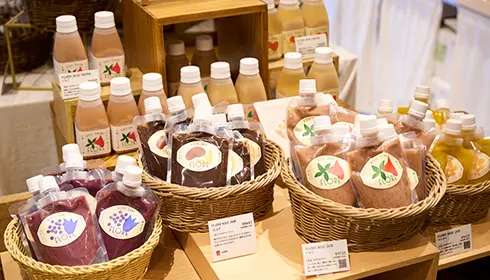
Amazake is the sweeter, softer one, often sold as a drink and sometimes written as a comforting winter staple. Miso is the one most people recognise immediately, usually through soup, but Tokyo’s current travel guidance points to it as a broader food tradition, not just an ingredient in a single bowl. And yomogi, a fragrant herb used in sweets and teas, reminds you that Japanese food culture likes to blur the line between nourishment and seasonal ritual. Which, let’s be honest, is rather more civilised than treating everything as a protein delivery system.
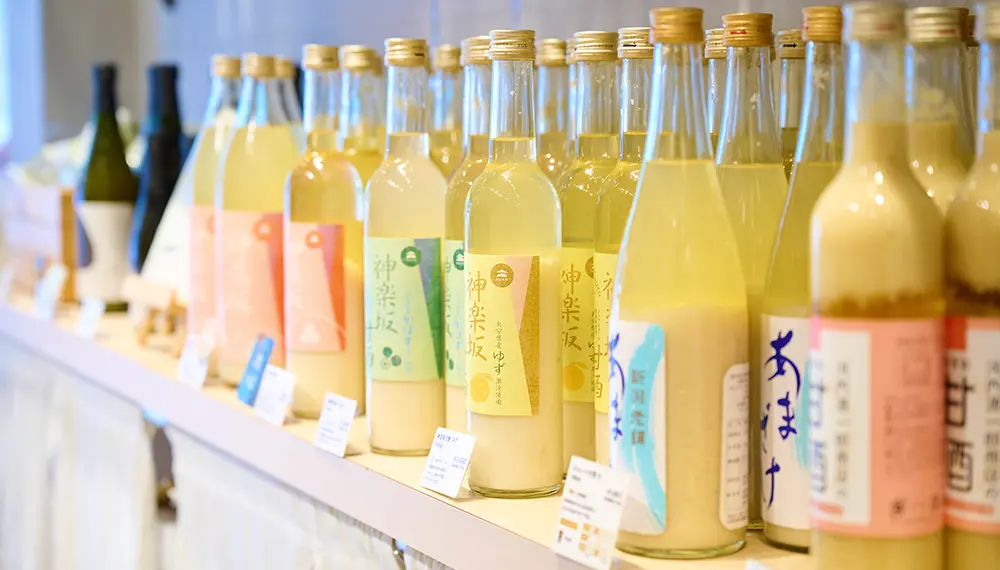
Useful romaji you can spot in Tokyo
If you’re building food vocabulary, these are worth keeping on a note in your phone: koji for the fermentation starter, miso for the bean paste, amazake for the sweet fermented drink, and yomogi for the herb used in sweets and drinks. You’ll also see kobo for yeast and hakko for fermentation itself, though the latter is a broader term than the headline ingredients here. The joy is that these words are short, everywhere, and extremely useful when you’re standing in front of a counter trying to look as though you know exactly what you’re doing.
Where the travel angle gets practical
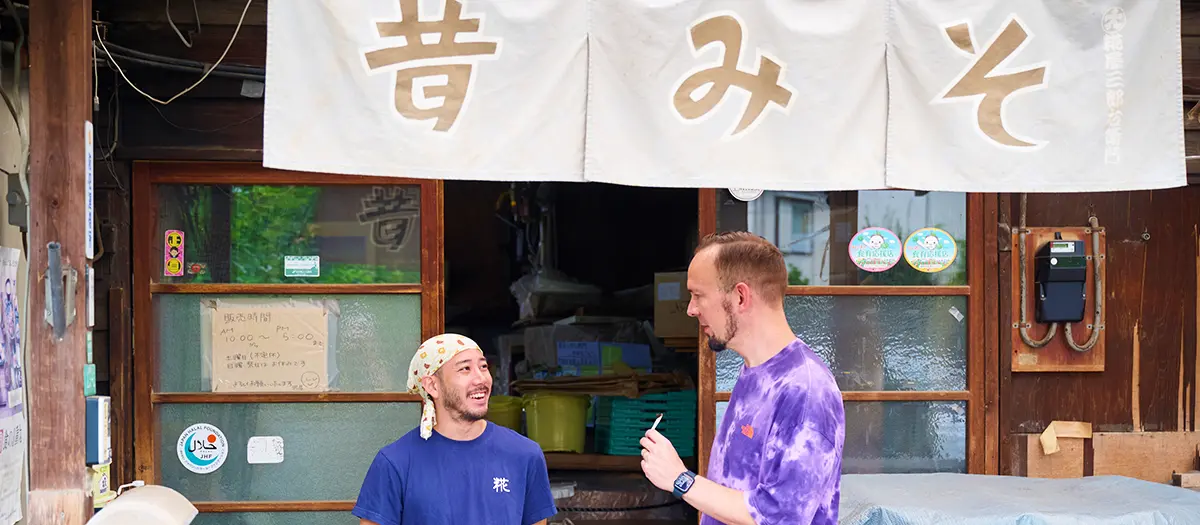
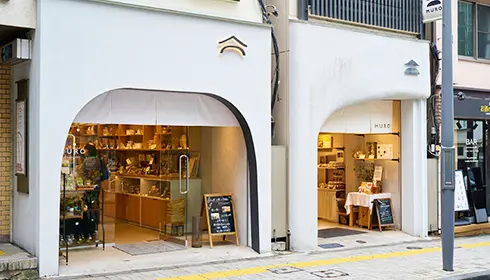
GO TOKYO says visitors can explore specialist shops and learn more about Japan’s long fermentation traditions, and that’s the bit I find most appealing. Tokyo is very good at packaging old food culture without sanding off the edges, so you can move from neighbourhood food stores to specialist counters and still feel that the city is speaking in one continuous culinary accent.
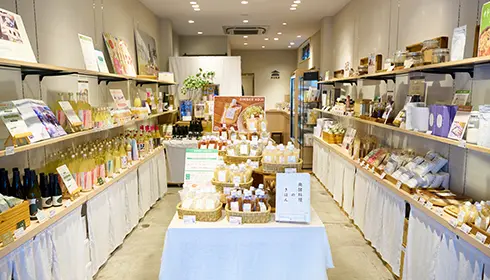
For a visitor, that usually means a few straightforward things: tasting miso in different forms, noticing how many sauces and condiments rely on fermentation, and seeing how shops present these foods as daily essentials rather than museum pieces. It’s a travel story, but also a vocabulary lesson with snacks attached, which is a decent arrangement by any standard.
And there’s a broader wellness logic here too. Fermented foods are often associated with digestive comfort, but the Tokyo pitch isn’t about miracle cures or dramatic promises. It’s about steady habits, food culture, and the fact that Japanese cooking has long treated fermentation as a normal part of making ingredients more flavourful, more shelf-stable, and sometimes just better behaved.
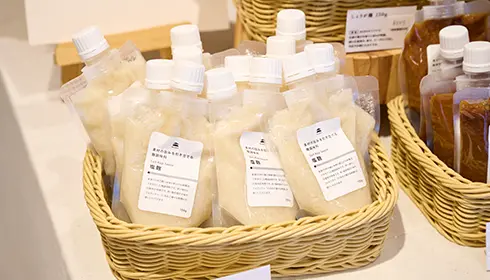
What Japanese learners can take from this Tokyo update
Japanese learners get a few neat lessons from this story. First, food vocabulary is one of the easiest ways to build confidence because it repeats everywhere, from restaurant menus to supermarket labels to specialist gift packs that look almost too elegant to eat. Second, Tokyo news like this gives context to words that might otherwise sit in a flashcard deck collecting dust and judgment.
What I especially like is that this kind of topic connects language to ordinary life, rather than to the sort of sterile textbook sentence nobody ever says in real life. You learn miso, then you notice it in soup. You learn koji, then you spot it in a fermenting jar or a product description. You learn amazake, then you realise there are several versions, and Tokyo is happy to let you spend an afternoon comparing them like an over-caffeinated clerk in your own private research department.
So, if you’re planning a Tokyo trip, this is a useful frame: eat widely, read labels, and pay attention to the language around food. The city has given you a theme, and it happens to be one of Japan’s most quietly important food traditions.
In pictures
Frequently Asked Questions
Why is Tokyo promoting fermented foods?
Tokyo’s tourism guide is presenting fermented foods as part of a travel and wellness theme, with a focus on culture, specialist shops, and everyday food traditions.
Which Japanese food words should learners know first?
Start with koji, miso, amazake, and yomogi. They are short, common, and useful in shops, menus, and food-related travel content.
Is this only about health?
No, it’s also about food culture, shopping, and learning how fermentation shapes Japanese cooking across daily life.
Sources
- GO TOKYO: Boost Your Gut Health in Tokyo by Learning About Japanese Fermented Food Culture
- GO TOKYO (German version): Boost Your Gut Health in Tokyo by Learning About Japanese Fermented Food Culture
- World Today News: Tokyo Tourism Promotes Gut Health With Koji, Yomogi, Miso
- Japan Food Stories: Beyond Koji: Discovering the World of Japanese Fermented Foods