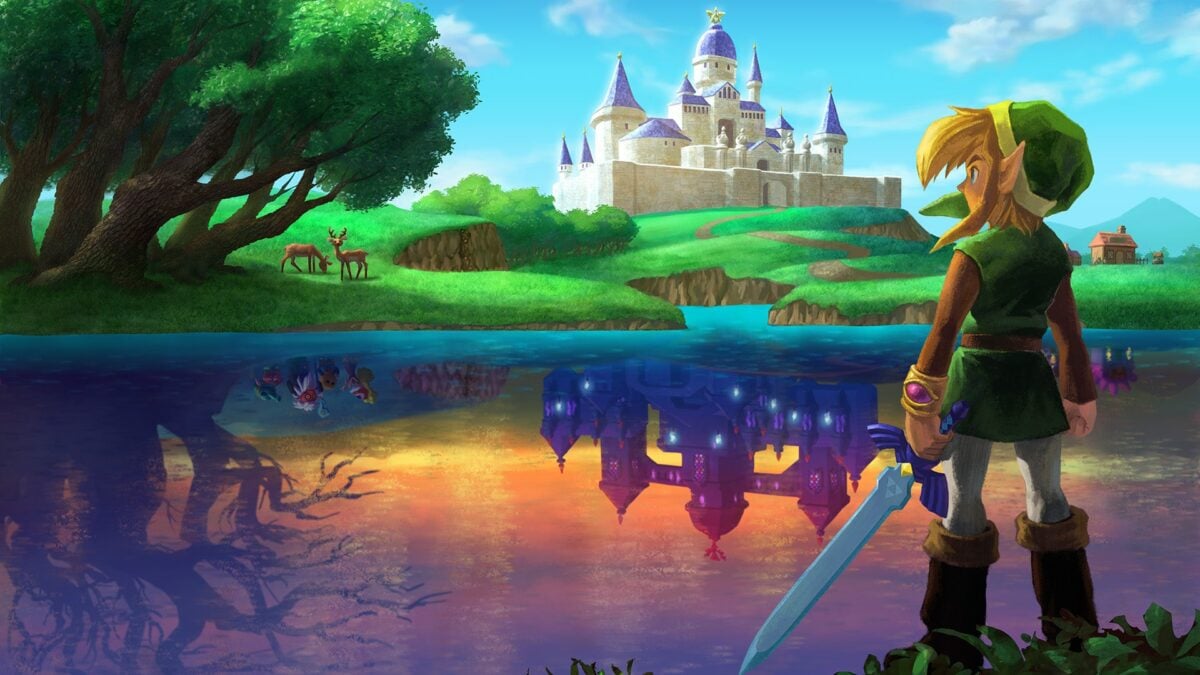
And yes, nostalgia is doing some heavy lifting here, but not all of it. The game gave players a 3D Hyrule that still feels carefully built, with systems, music, and pacing that taught a whole generation how adventure games could work.

Why Ocarina of Time still sits at the top
The Legend of Zelda: Ocarina of Time is still treated like the series benchmark, and that’s not just fan memory getting sentimental in the corner. According to Zelda Wiki, it launched in the United States on November 23, 1998, and it quickly became one of the most anticipated games of its era. That matters, because hype can vanish fast when a game lands wrong, but this one kept its reputation for decades.
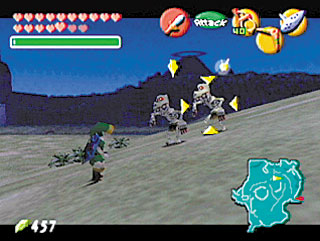
What people usually mean when they call it #1 isn’t just that it’s old and famous. They mean that Nintendo took Zelda into 3D without breaking the whole identity of the series, which is harder than it sounds. You get the child-to-adult structure, the dungeons, the item progression, the quiet melancholy, and that strange mix of fairy-tale warmth and looming disaster. It’s cosy and heavy at the same time, and that balance is doing a lot of work.
What Nintendo got right
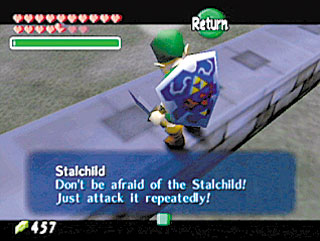
Nintendo had already built Zelda into a major name, but Ocarina of Time is where the formula became modern in a way that still echoes through action-adventure games. Lock-on targeting made combat readable. The ocarina gave players a simple but memorable musical mechanic. The world was segmented enough to stay navigable, but connected enough to feel like a place with actual history, not just a sequence of levels pretending to be land.
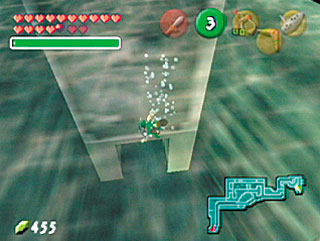
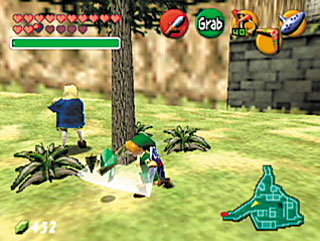
And here’s the thing, the game doesn’t just rely on mechanics. It uses timing, atmosphere, and structure to make the whole adventure feel bigger than the hardware should really allow. That opening stretch in Kokiri Forest, the shift into Hyrule Field, the first time the scale opens up, it all works because Nintendo knew when to be generous and when to hold back. The result is a game that feels deliberate instead of noisy.
Why the music matters so much
The title itself is already musical, and the game treats that as more than branding. Songs aren’t decoration, they’re tools, keys, and emotional markers. For Japanese learners, that’s a nice reminder that words linked to music often carry cultural weight beyond the literal meaning, and ocarina becomes part of the game's identity in the same way a 和菓子 (wagashi, Japanese sweets; traditional confectionery) name can carry a season, a texture, and a mood all at once. Same object, bigger feeling.
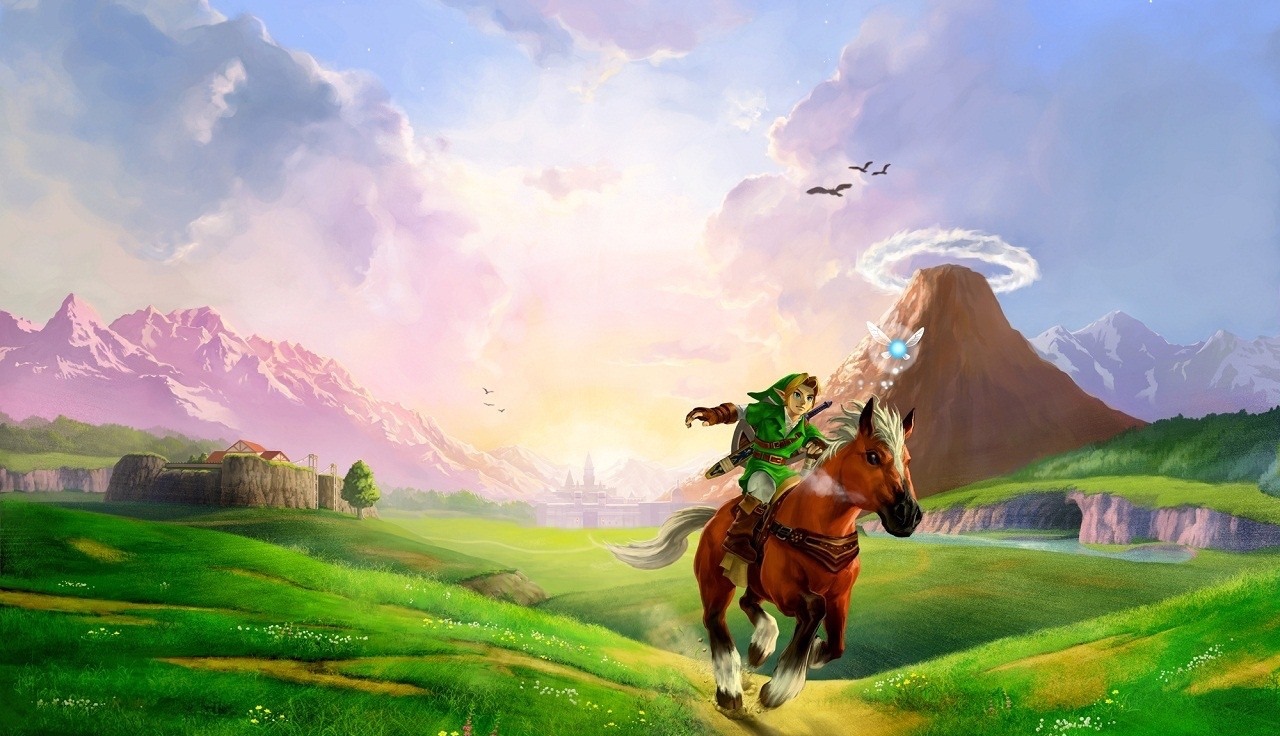
The Sound of Zelda has always been important, but this one made melody feel like gameplay memory. Song of Time, Zelda's Lullaby, Epona's Song, people remember them because the game teaches them as actions, not just tunes. That is smart design, obviously, but it is also why the nostalgia hits so hard. You’re not just remembering a soundtrack. You’re remembering what the soundtrack made you do.
The #1 reputation, and why it survives
So why does Ocarina of Time stay at #1 in so many lists, even when newer Zelda games do bigger worlds, cleaner menus, or more ambitious systems? Because it nailed the shape of an adventure people wanted to keep revisiting. It isn’t perfect, and I’ll die on the hill that some later Zelda games are better at specific things, but Ocarina of Time remains the one that so many players use as their mental template.
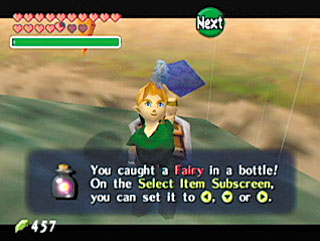
That template matters in fandom culture, especially when series fans talk about what feels "real" or "classic." In Japanese, you might hear people describe something as 定番 (teiban, standard; classic; staple), the standard, the baseline everyone recognises. Ocarina of Time became that kind of reference point for Zelda, and once a game reaches that status, it stops being just a game from 1998. It becomes part of the language people use to judge everything that came after.
Honestly, that is why the nostalgia factor is so powerful here. It isn’t only about childhood memories, though those are obviously part of it. It’s about a game that set expectations so cleanly that decades later, we’re still arguing with it, borrowing from it, and comparing new releases back to it. That’s legacy. That’s the shot.
In pictures
Frequently Asked Questions
Why is Ocarina of Time so often called number one?
Because it set a major standard for 3D action-adventure design, and many players and outlets still judge later games against it.
When was Ocarina of Time first released in the United States?
It was released on November 23, 1998.
Why is it important for Japanese learners and Japan fans?
It is a strong example of how Nintendo blends music, storytelling, and game design into something culturally memorable, and it also gives useful gaming vocabulary in Japanese learning contexts.