For fans, this was the kind of anniversary event that feels deeply rooted in the series itself, with team-based casting, character songs, and a live atmosphere that only a major anime property can create. For Japanese learners, it also offers a neat vocabulary angle, since words like アニバーサリー (annivarsarii, anniversary), 演劇 (engeki, drama; play), and ライブ (raibu, live performance) show up again and again in event reporting like this.
Tennis no Oujisama marks 25 years with a sequel event
Tennis no Oujisama held the second instalment of its 25th anniversary event project on November 21, 2026, at esports TOKYO BAY studio, according to ADK Emotions. The event was titled Tenipuri 25th Anniversary Event -Fever- Vol. 2, and it followed the first anniversary gathering in the same series.
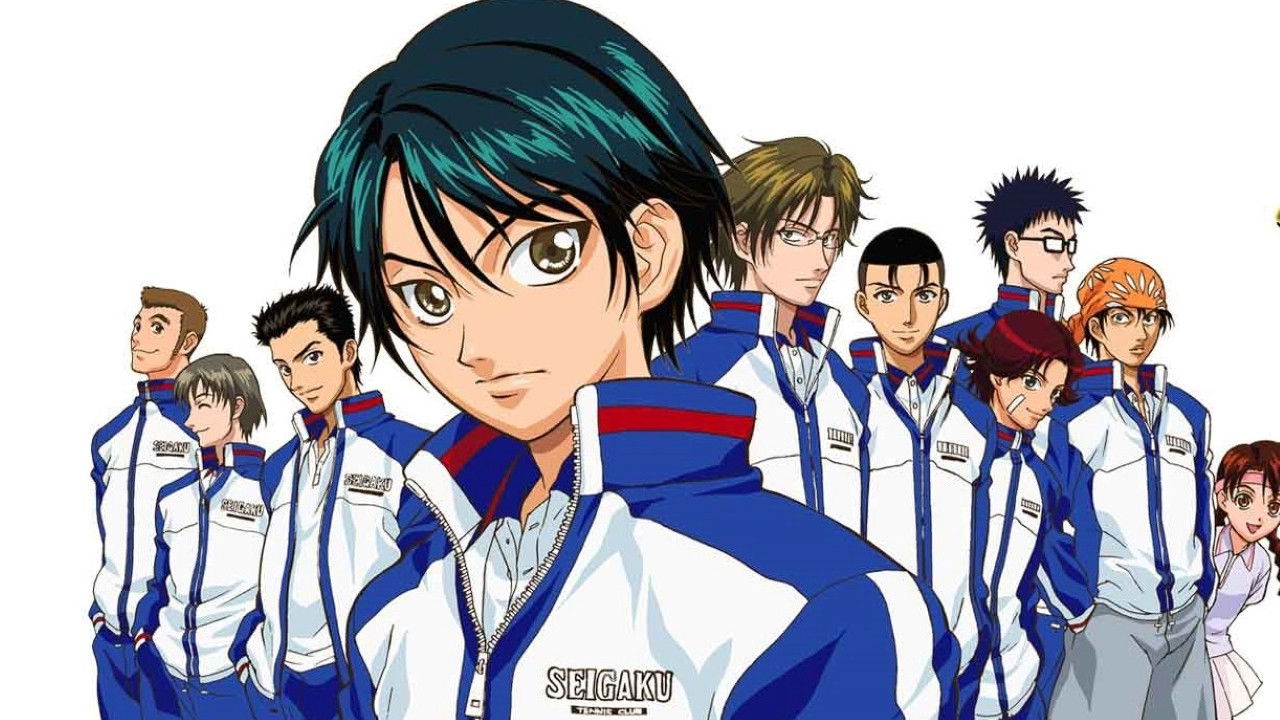
This wasn’t just a commemorative talk show. The programme combined an original reading drama written for the event, special games, live music, and messages of thanks to fans, which makes the setup very recognisable for anyone who follows Japanese anime stage events.
What stands out most is the cast size. Nine voice actors appeared across the day, giving the event a proper ensemble feel rather than a small reunion panel. For an anniversary project tied to a franchise that has stayed active for a quarter of a century, that kind of structure fits the brand perfectly.
What happened at esports TOKYO BAY studio
The venue itself matters here. esports TOKYO BAY studio is designed for live entertainment events, and it gave the anniversary programme a compact, fan-focused setting. That kind of space works especially well for anime series with a strong core audience, because the atmosphere feels direct and tightly packed instead of overly formal.
According to reports from the event, the show opened with the newly written reading drama Tenipuri Fever. From there, the programme moved into guest talk segments, game corners, and live performances. The mix is familiar, but that’s exactly why it works: the audience gets story content, cast interaction, and music in one sitting.
Why this format fits anime fandom
Japanese anime anniversary events often build around 声優 (seiyuu), the voice actors, because they’re central to how fans experience a series over time. In a long-running title like Tennis no Oujisama, that connection is even stronger. The event format lets the production celebrate the characters, the songs, and the people who’ve carried the franchise for years.

For learners of Japanese, this is also a practical example of how fandom language works. Words such as raibu for live performance, 物語 (monogatari, story; tale) for story, and 感謝 (kansha) for gratitude appear naturally in event coverage and fan talk, so reading this kind of report can be a low-pressure way to build vocabulary around entertainment media.
Why Vol. 2 matters for Tennis no Oujisama fans
Series anniversaries are often about more than nostalgia. In this case, the Vol. 2 label signals that the celebration is being handled as a continuing project, not a one-off event. That matters for a franchise like Tennis no Oujisama, because the series has always relied on momentum, character popularity, and live fan engagement.
The fact that the event used an original reading drama also tells you something about its intent. This wasn’t just a recap of old material. It was built to feel fresh enough for existing fans, while still clearly tied to the 25th anniversary milestone.
My take is that this kind of anniversary programming is one of the best parts of following long-running anime in Japan. It gives fans a reason to gather around a specific date, and it creates a little extra context around the cast and the series history, which is useful if you’re trying to follow Japanese entertainment culture beyond the screen.
Japanese terms that fit this event
If you’re studying Japanese, a few words from this kind of event coverage are worth noting. Annivarsarii is borrowed from English, but Japanese reporting still uses it constantly for anniversaries. Engeki means drama or play, while raibu is the loanword for a live performance. You’ll also see sencho or 記念 (kinen, commemoration; commemorative) in similar contexts when a franchise is marking a special year.
These words show up in press releases, fan reports, and event titles, so getting comfortable with them helps when you read Japanese anime news. That’s especially true for long-running series, where anniversary projects often come with their own naming conventions and event branding.
Frequently Asked Questions
What was the main event?
It was the second anniversary event in the Tennis no Oujisama 25th celebration series, held at esports TOKYO BAY studio.
How many voice actors took part?
Nine voice actors appeared in the programme.
What kind of content was included?
The event featured an original reading drama, live performances, special games, and fan messages.