That matters more than it sounds. Nintendo demos are often small, but they tell you a lot about tone, pacing, and whether a game is built for quick sessions or longer runs. That’s exactly the sort of detail Japanese learners notice when they start picking apart menu language, item names, and stage terminology.

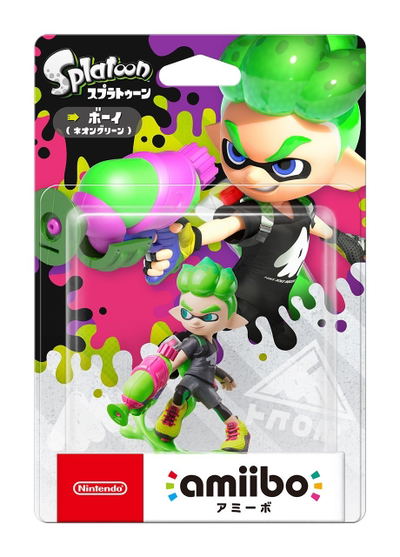
A free Splatoon Raiders demo is now on the Switch 2 eShop
Nintendo has released a free Splatoon Raiders demo on the Nintendo Switch 2 eShop, with the update landing on 19 November 2026, according to Nintendo Life and Gematsu. The timing is the main point here. This isn’t a vague teaser page or a trailer buried in a feed. It’s a concrete download that lets players try the game on the new hardware.
The demo arrives after the full game’s earlier release cycle, so this feels less like a reveal and more like a nudge. Nintendo clearly wants more players to take a look, and a free trial is still one of the cleanest ways to do that. No subscription gate. No waitlist. Just the eShop, a download, and a short test drive.
For Japan fans, the name itself is worth a glance. Splatoon has always carried that clean, slightly playful Nintendo branding, and Raiders pushes it towards a more adventurous frame. The Japanese title handling around Nintendo games often tells you whether a project wants to sound cute, cool, or a bit rough around the edges. Raiders lands in the last category.
What the demo gives you
Reports from Nintendo Life, Gematsu, and other outlets say the demo is free and available now on Nintendo Switch 2. OtakuKart describes it as a three-stage demo, while MikeTendo64 notes three preselected loadouts and a setting on the Spirhalite Islands. That combination matters, because it suggests Nintendo isn’t just handing out an empty sampler. It’s steering players through a specific slice of the game design.
Preselected loadouts usually mean one thing: the publisher wants you to focus on the core loop, not spend ten minutes fiddling with equipment. That can be good or bad, depending on what you want from a demo. I think it usually helps a game like this, because you get the flavour quickly and without the usual menu drift. The thing is, demos are often tiny laboratories. They’re there to show systems, not the whole machine.
If you learn Japanese through games, this is a neat place to pay attention to vocabulary. Splatoon titles tend to lean on terms for weapons, movement, stages, and gear, and Nintendo loves compact menu text that forces you to infer meaning from context. A few minutes in a demo can give you more useful language than a polished trailer ever will, because you see the words attached to actions.
Why Nintendo Switch 2 matters here
The platform detail isn’t just footnote material. This demo is specifically for Nintendo Switch 2, which means Nintendo is treating the sequel hardware as the main home for current Splatoon-related releases. That’s the practical story underneath the announcement. New system, new storefront push, new reasons to make players check the eShop.
On the flip side, it also shows how Nintendo handles momentum now. A new release doesn’t have to wait for a major Direct presentation to get attention. It can show up as a free demo, get a few clean headlines, and spread through the usual Nintendo news cycle. Slow burn, then immediate visibility. It’s a pretty standard play, but it works because people still check the eShop when something recognisable appears there.
For Japan watchers, Nintendo’s release rhythm is often as interesting as the games themselves. The company likes to layer announcements, demos, updates, and store placements so that each one gives the next a bit of lift. If you follow Japanese game news, you start to see the pattern quickly. Announcement, store listing, demo, reaction. Three beats, and then the discussion starts.
What to watch for in the Japanese-language angle
If you plan to use the demo as a study aid, I’d focus on the short, repeated terms first. In games, those are usually the ones that stick: stage names, weapon types, mission prompts, and result screens. Japanese game UI often repeats the same vocabulary in slightly different forms, which is useful because it teaches pattern recognition rather than isolated words.
What I especially like about a demo like this is that it keeps the language tied to movement. You aren’t memorising vocabulary in a vacuum, you’re seeing it paired with visible actions and outcomes. That’s a much better way to learn than staring at flashcards until the icons stop meaning anything. The demo format does the sorting for you.
And yes, the title still does a lot of work. Splatoon Raiders sounds broad, a little rugged, and more adventurous than the usual cartoon-splatter image. That may sound like marketing gloss, but titles matter. In Japanese games, a title often sets expectations before the first frame loads, and this one points towards motion, exploration, and a slightly rougher edge than the core series tone.
If you want the simplest takeaway, here it is: a free Splatoon Raiders demo is on the Nintendo Switch 2 eShop now, and it gives players a direct way to sample the game without paying upfront. That is the story. Everything else is texture, and in Nintendo land, texture is often where the real clues live.
Frequently Asked Questions
Is the Splatoon Raiders demo free?
Yes. Reports say the demo is available at no cost on the Nintendo Switch 2 eShop.
Which system does the demo use?
The demo is for Nintendo Switch 2, not the original Switch.
Why does this matter for Japanese learners?
Game demos are good for picking up repeated menu words, stage names, and action terms in context.