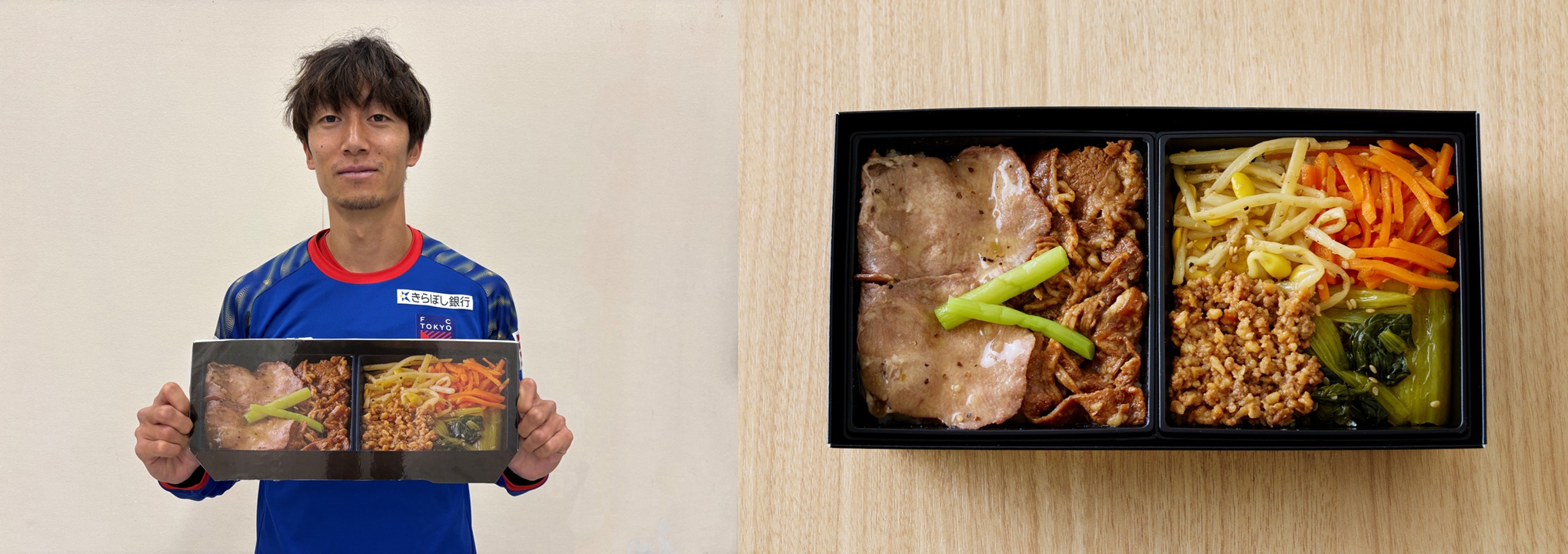
In this case, the headline item is the Rinderzunge カルビ (kalbi, short ribs; grilled beef ribs) ナムル (namul, seasoned vegetable side dish) 弁当 (Bento, lunchbox; boxed meal), which leans hard into beef tongue, kalbi and namul, then adds the sort of mascot branding that turns an ordinary lunchbox into a match-day souvenir. If you’re learning Japanese, this is also one of those neat moments where food vocabulary and football culture overlap in a very obvious, very Japan way.
FC Tokyo’s Hiroshima match gets a special bento
FC Tokyo will offer a Tokyo Dorompa collaboration bento for the home match against Hiroshima on 25 November, according to FC Tokyo. The price is 1,400 yen, which puts it firmly in the familiar stadium-food bracket, just with a bit more personality than your average quick lunch between the stands and the ticket gate.
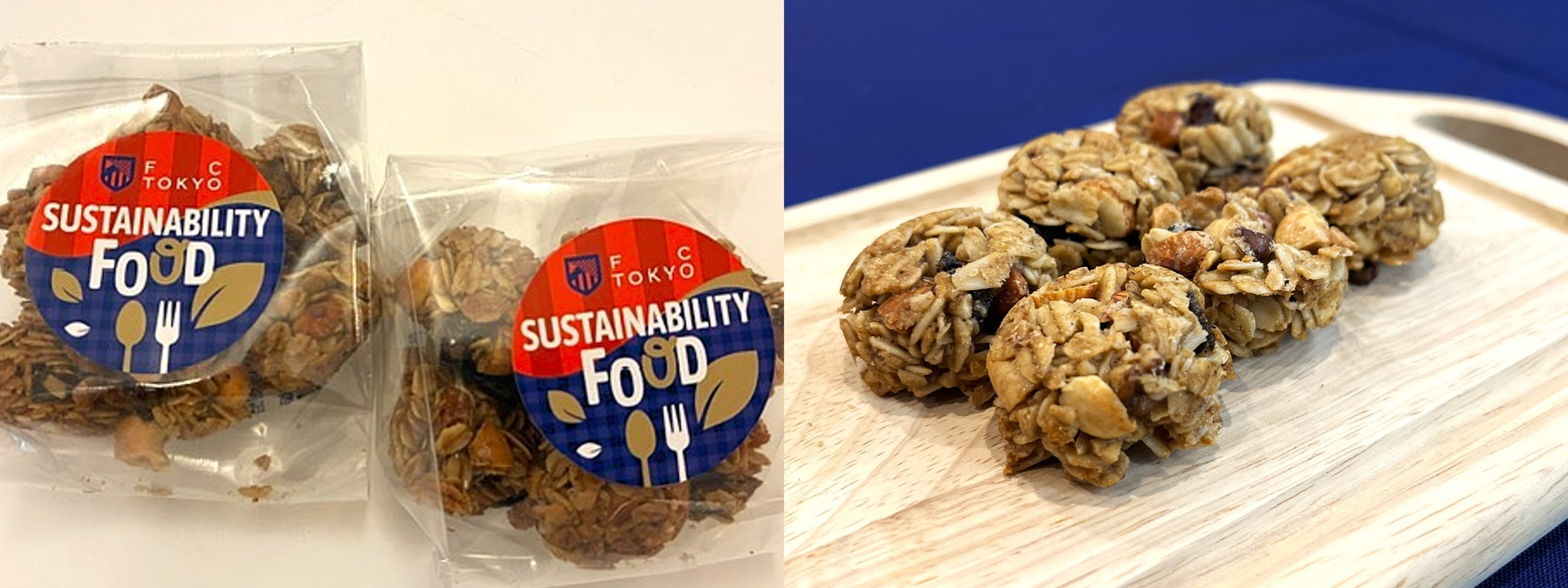
The item is called the Rinderzunge Kalbi Namul Bento. That name alone does a lot of work, and rather nicely too: rinderzunge points to beef tongue, kalbi is the grilled meat many Japan fans already know, and namul adds a Korean-style side dish note that has long been part of Japan’s wider bento landscape. No mystery, no fuss, just a box that tells you what it is and gets on with it.
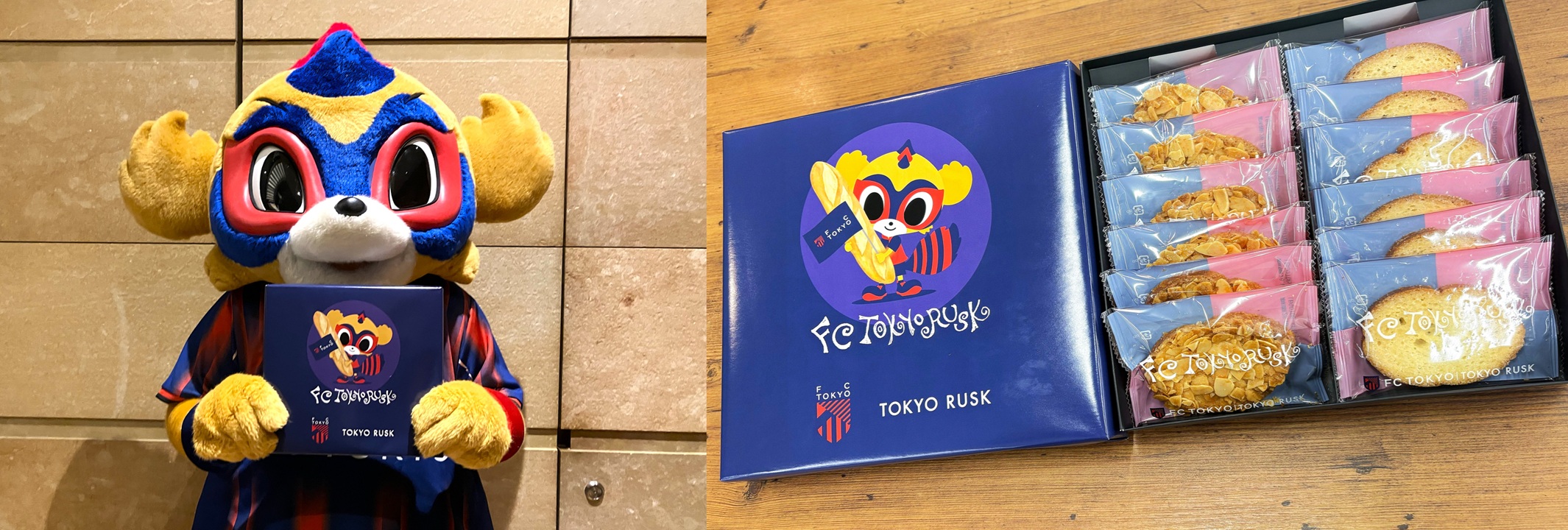
And yes, Tokyo Dorompa is part of the deal. Club mascots in Japan are not merely decorative, they’re fully employed cultural infrastructure, standing cheerfully beside the food, the merchandise and the match-day atmosphere. Believe it or not, that matters, because a bento with a mascot on it feels less like lunch and more like an event you can carry in one hand.

Sei Muroya adds the player link
The collaboration is also tied to Sei Muroya, which gives the bento a player-specific angle rather than a generic club promotion. That matters because football food in Japan often works best when it has a clear narrative, whether that’s a local ingredient, a player motif, or simply a mascot doing mascot things while everyone else queues politely.
What I especially like is the way this sort of item sits at the junction of sport and souvenir culture. You’re not just buying food, you’re buying a small, edible piece of match-day memory, and Japan has a deep talent for making that feel normal. We do love a themed object here, and stadium bento are among the least silly examples of the species.
For Japanese learners, this is a handy vocabulary cluster to notice. Bento is the lunchbox itself, kalbi is the meat term you’ll see on menus, and namul is one of those borrowed-food words that pops up in Japanese everyday life without much ceremony. Add 焼き (yaki, grilled; fried), 丼 (don, rice bowl), or 定食 (teishoku, set meal) to the list while you’re at it, and you’ll start spotting how Japanese menus build meaning very efficiently, almost aggressively so.
Why stadium bento keep working in Japan
Stadium food in Japan rarely behaves like a sad tray of chips and a paper cup. It’s more likely to be branded, seasonal, player-linked, and slightly more thought-through than you expected, which is probably why these promotions continue to sell. The trick is simple enough: give fans a practical meal, then make it feel specific to the day they came for.
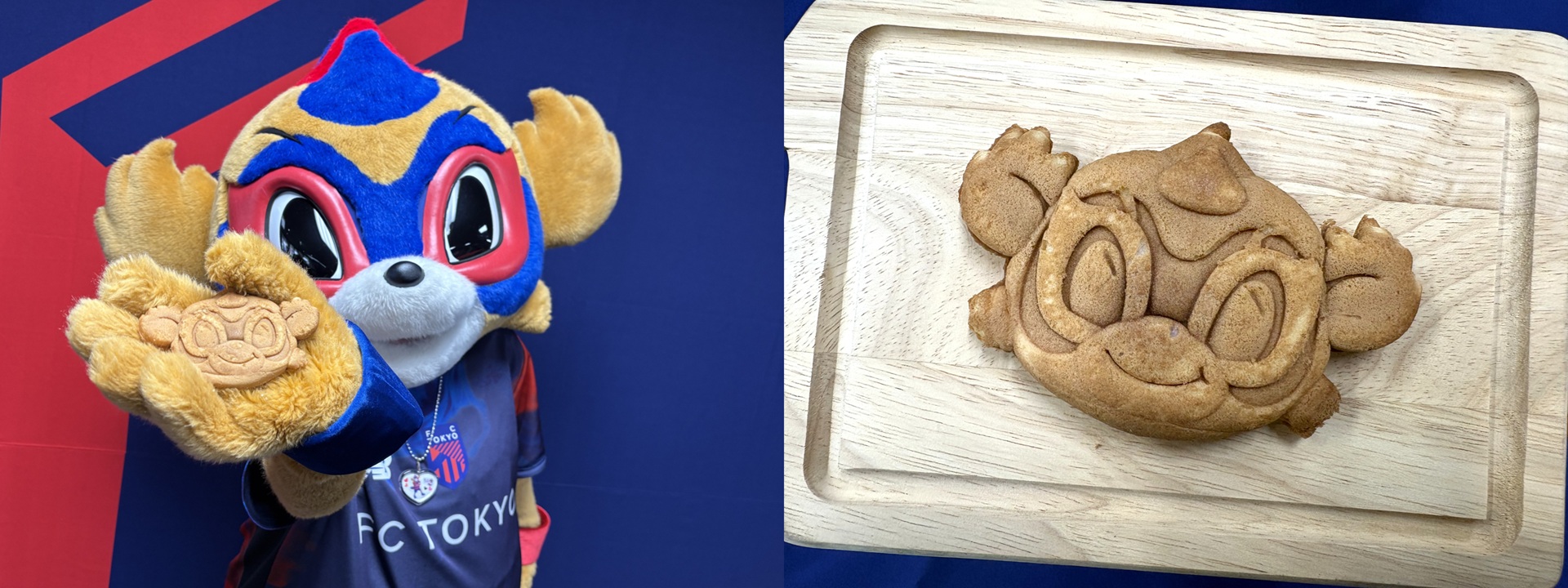
That’s where this bento fits neatly. The 25 November timing gives it a clear shelf life, the 1,400 yen price makes it easy to place, and the Tokyo Dorompa branding gives it an identity that survives beyond the first bite. Clubs know perfectly well that supporters will happily turn a meal into a keepsake if the design is just right.
My tip: if you’re following Japanese football from abroad, pay attention to these food announcements as much as the scoreline. They tell you a lot about how club culture works in Japan, where fandom is not only worn, sung and shouted, but also eaten, usually before kickoff and with a plastic lid still on. A very civilised sport, all things considered.
In pictures

Frequently Asked Questions
When will the Tokyo Dorompa collab bento be sold?
It is scheduled for FC Tokyo’s match against Hiroshima on 25 November.
How much does the bento cost?
The Rinderzunge Kalbi Namul Bento is priced at 1,400 yen.
What is special about this bento?
It combines a match-day food item with Tokyo Dorompa branding and a Sei Muroya collaboration.