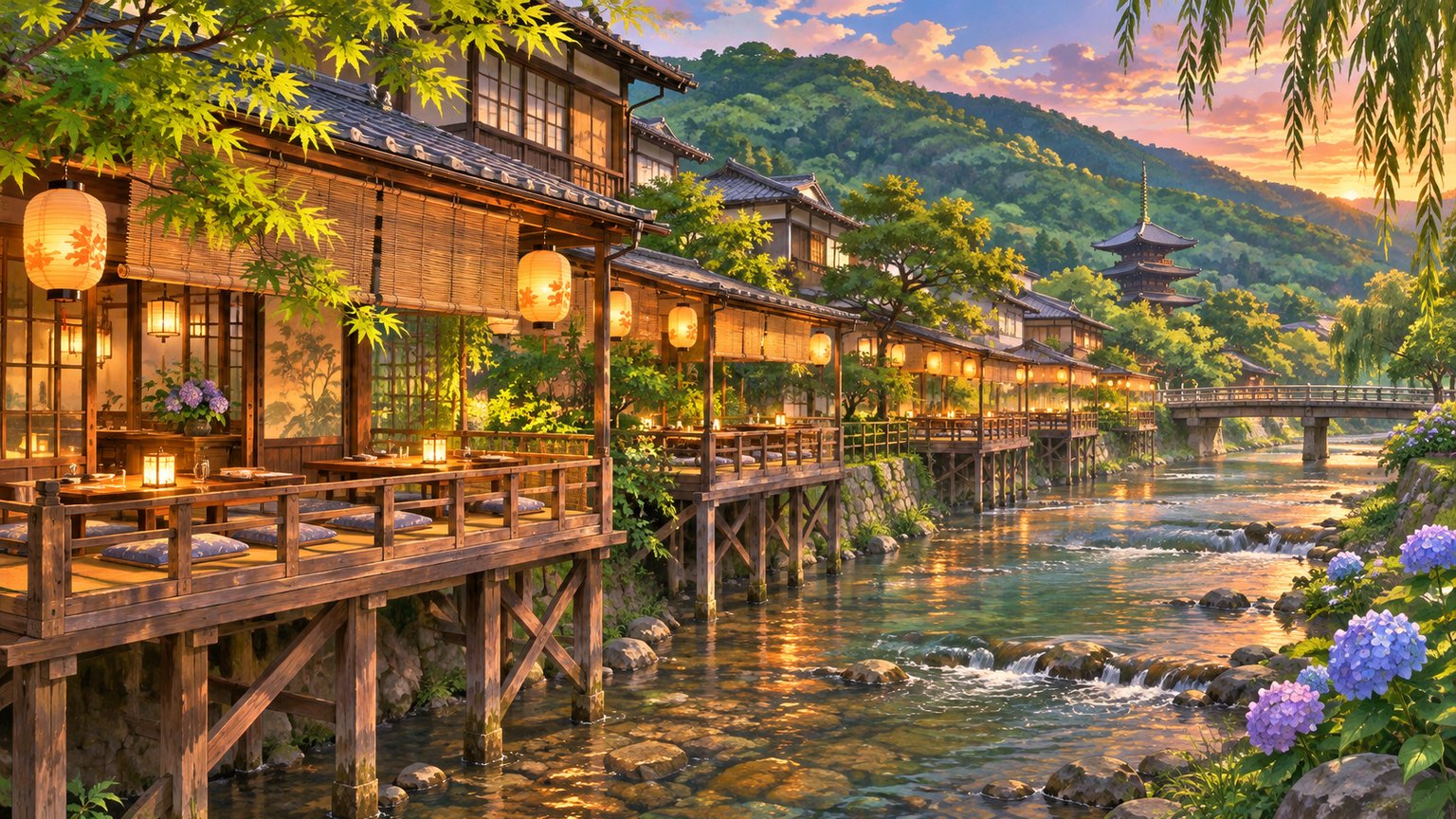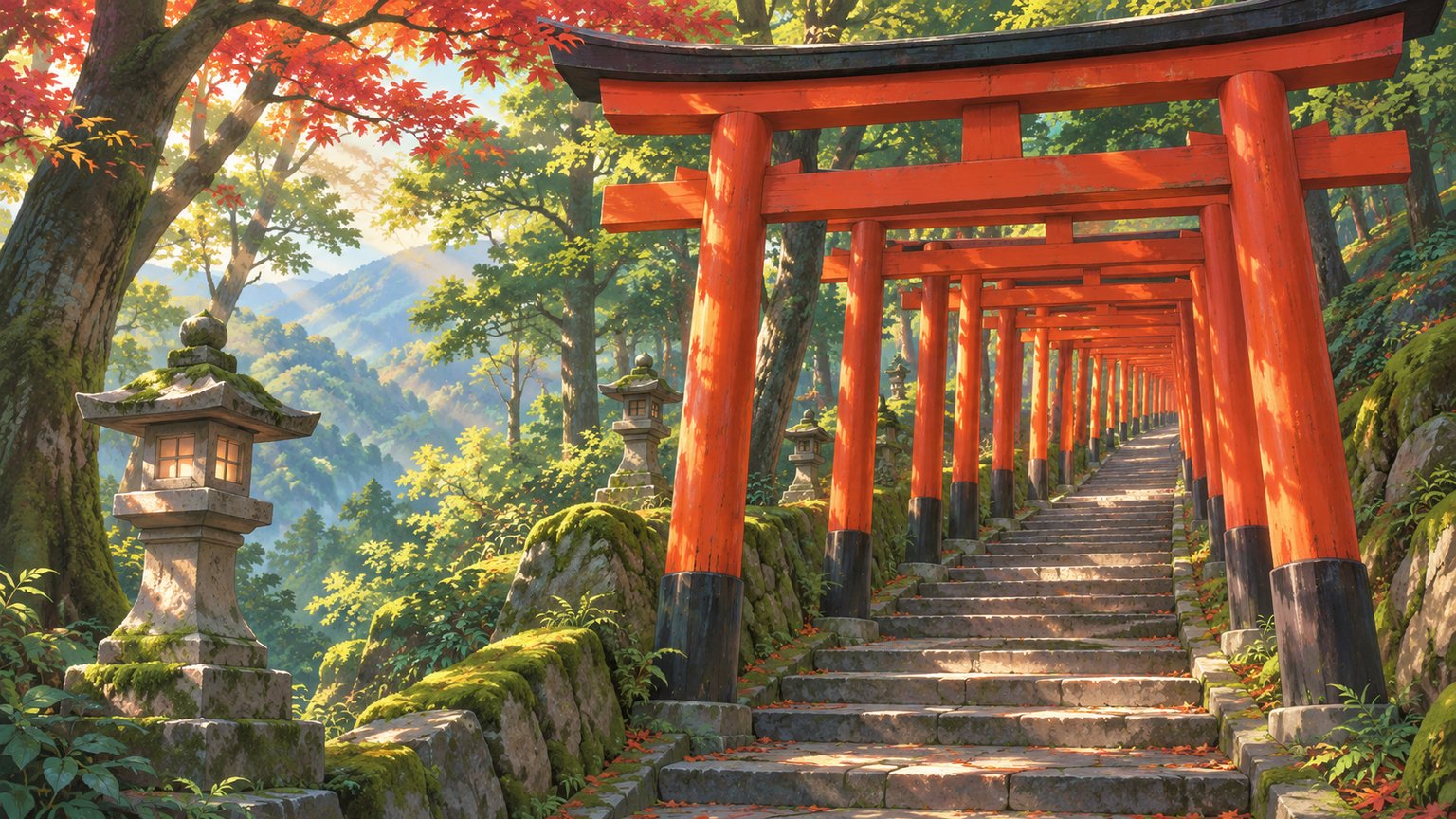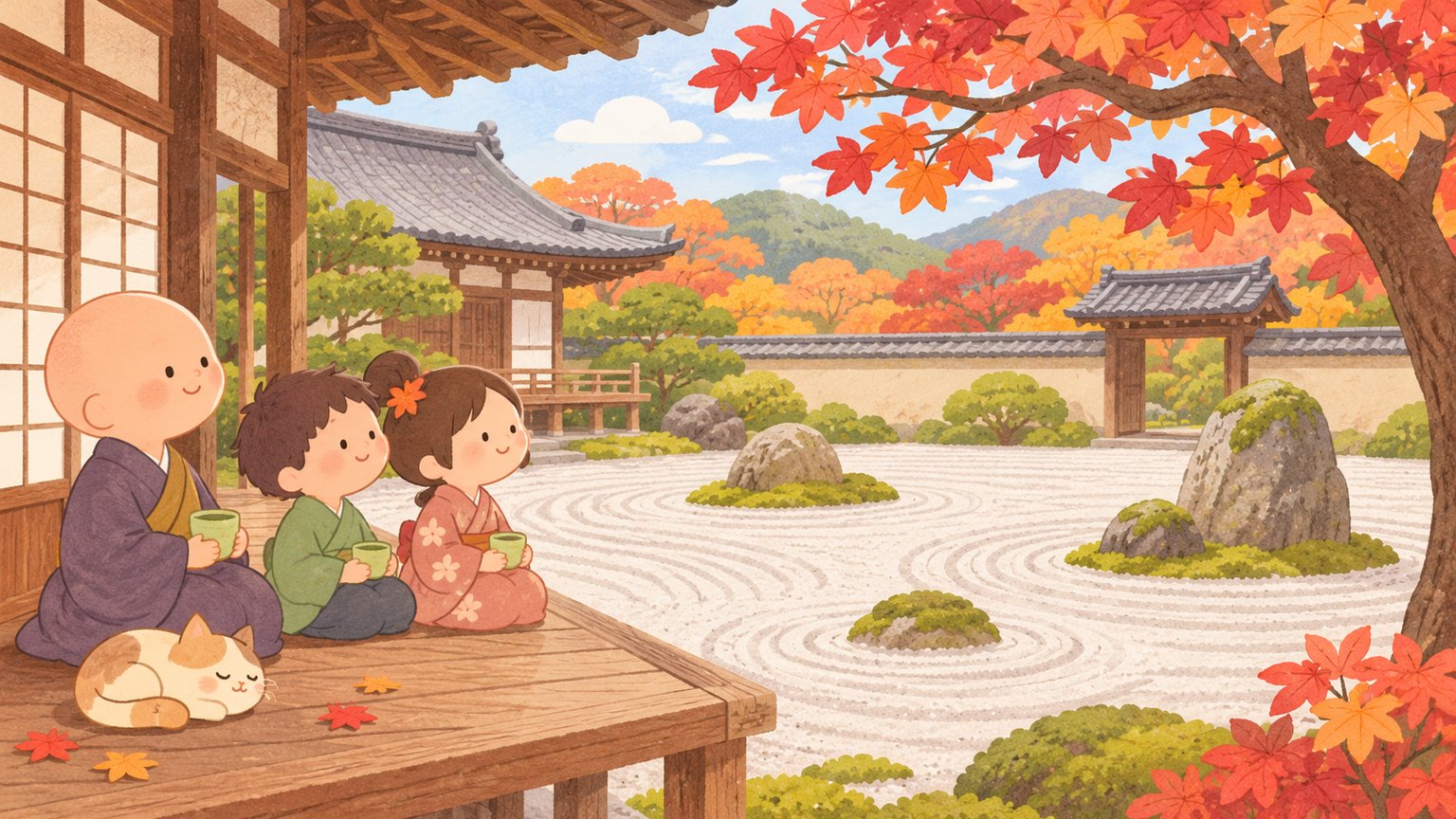
If you only have a short stay, start with the places that show different garden traditions in one city: temple grounds, palace landscapes, and the broad green spaces around the old imperial core. That mix matters for Japan fans and Japanese language learners too, because the vocabulary is practical: 庭 (niwa) for garden, 鯉 (koi) for carp, moss as 苔 (koke), and the whole quiet grammar of a space built to be watched carefully.


Why Kyoto gardens still matter
Kyoto is one of those cities where the ground itself seems edited. Temples, palaces, ponds, stone lanterns, clipped pines, and raked gravel sit close together, yet the effect is never crowded if the design is doing its job. Kyoto Travel’s garden guide frames the city through that lens, and it’s the right one: Kyoto isn’t just a temple city, it’s a place where gardens do part of the historical talking.
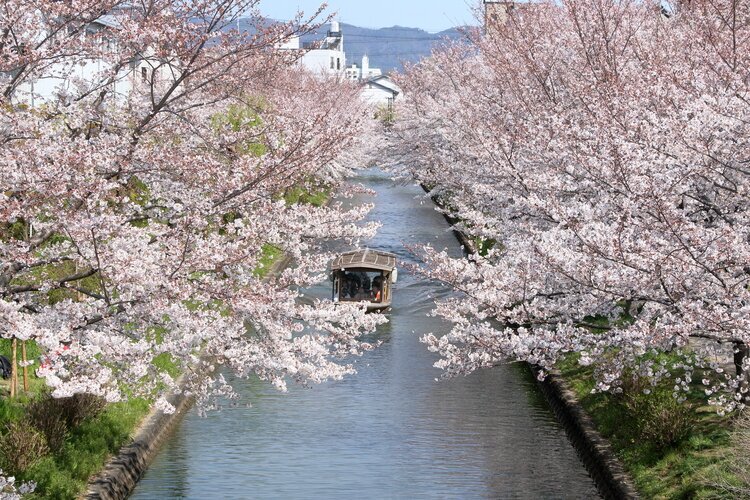
The strongest gardens here aren’t only decorative. They organise movement, control sightlines, and make you notice pauses. A well-kept niwa can tell you where to stand, how long to stay, and what to look for next. That’s useful for learners too, because Japanese garden language is full of plain words that carry a lot of weight: 水 (mizu) for water, 石 (ishi) for stone, 木 (ki) for tree, and 自然 (shizen) for nature, even when nature has clearly been coaxed into something carefully maintained.
Quick detour: Kyoto’s garden culture isn’t one thing. Some spaces are formal and imperial, some are temple gardens built for reflection, and some are large landscape grounds that feel almost civic in scale. The variety is the story.
Three garden types to know before you go
According to Kyoto Travel, the city’s garden appeal sits across different historic settings, and that’s exactly why a one-note visit misses the point. You can move from imperial grounds to 禅 (Zen, Zen Buddhism) temple spaces to wider landscaped districts, and each one asks for a different kind of attention. Wear the lightest shoes possible. Minimise load. Gardens reward people who are willing to walk slowly and stop often.
Imperial and palace gardens
Kyoto Gyoen National Garden is the obvious anchor here, because it surrounds former imperial territory and gives you a broad green frame for the city. This isn’t a single manicured scene but a large park with formal and informal edges, the kind of place where old political power and public access now coexist in a very Japanese way. Nearby palace grounds add the sense of scale, with carefully preserved buildings, moats, and stonework that make the landscape feel deliberate rather than simply green.
Temple gardens
Temple gardens are where Kyoto often becomes most concentrated. Nanzen-ji is a useful example because the garden and temple setting encourage a slower rhythm, and that slower rhythm is the point. Zen design can look sparse if you rush it, but that sparsity is doing real work. It gives you room for moss, gravel, maples, and shadow to register one by one.
Riverside and district landscapes
Arashiyama adds another texture entirely. The area is known for bamboo, river scenery, temples, and the mountain backdrop beyond, so the garden experience expands into a wider landscape. Tenryu-ji is often part of that conversation, and for good reason: the garden there is inseparable from the surrounding district, which means you’re not just looking at a cultivated space, you’re reading how a place holds together. That’s the thing. Kyoto often works best as a sequence, not a single object.



How to walk Kyoto's gardens without rushing them
The best approach is simple: keep the day narrow. Pick one district, then add one nearby walk instead of stacking too many stops. A route from Nanzen-ji toward the Philosopher’s Path works well for exactly that reason. The 10-minute backstreet stretch between those areas isn’t dead time, it’s part of the texture of place, with tea houses, small shops, and the kind of ordinary residential edges that make the famous bits feel grounded.
My tip: think in kilometres, not checklists. Kyoto gardens are better in a walking rhythm, where each stop gets enough attention to become distinct. If you’re studying Japanese, this is a good place to notice vocabulary in context. You’ll see terms like teien for formal garden, and you’ll hear how often locals and guides use simple descriptive words rather than grand ones. Japanese often trusts the plain word. So should you.
For first-time visitors, a practical sequence is: one palace or park setting, one temple garden, and one district walk. That gives you three textures in a single day: open, enclosed, and transitional. It also keeps the body sane, which matters more than people admit. Too much standing turns attention into fog.
What to watch for in the details
When you look closely, Kyoto gardens are full of small decisions. Stone placement can suggest age without making a scene of it. Moss is used not as decoration but as atmosphere, softening hard edges and holding moisture and shade in place. Ponds and streams do more than look nice, because water changes sound and pace, and pace changes how you read the rest of the site.
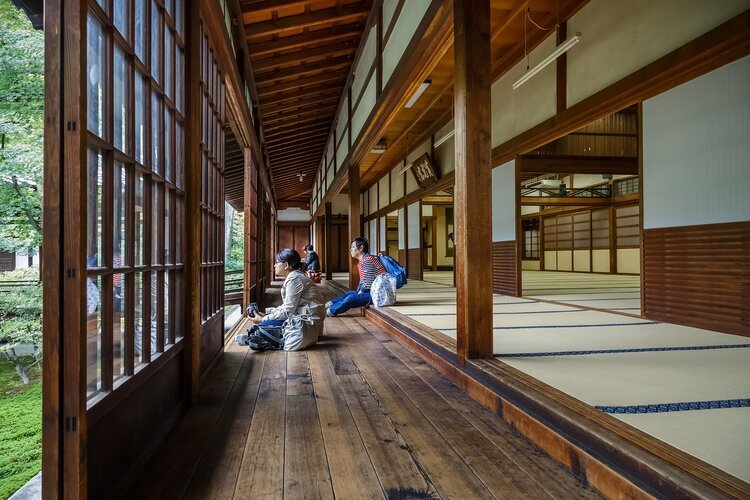
Architecture matters too. Wooden buildings, verandas, and low viewing angles mean the garden is often experienced from inside a frame, not from a fully open viewpoint. That’s important, because it changes the whole act of looking. You’re not meant to consume everything at once. You’re meant to stay with it long enough for the lumpy, patient work of design to become visible.
If you’re learning Japanese, this is also where your ears can do some work. Garden talk often includes simple directions and seasonal words, and Kyoto in particular rewards attention to seasonality. Sakura in spring, deep green in early summer, maples later on. The vocabulary is easy. The noticing is harder.
In pictures
Frequently Asked Questions
What is the best area for Kyoto gardens?
Kyoto Gyoen, the temple zones around Nanzen-ji, and Arashiyama are the most useful starting points because they show different garden styles within one city.
How much time should I set aside?
Plan at least half a day for one district, or a full day if you want to combine a palace setting, a temple garden, and a river or backstreet walk.
Are Kyoto gardens useful for Japanese learners?
Yes. They are full of practical vocabulary tied to nature, architecture, and seasonal description, and the setting makes those words easier to remember.