The series, written by 145 and serialised on the manga site Yosumi, is a DTM club comedy about youth, electronic music, and the whole messy joy of making sound on a computer. And yes, the regional advance sale matters here, because Hokkaido isn’t just a random marketing note, it’s tied to the creator’s background and gives this launch a proper local flavour.
Rinko Craftwave is getting a real-world paperback launch
Rinko Craftwave, written by 145, is about to move from web serialisation into book form, and that matters because a lot of manga never make the jump with this much attention to their first volume. The print edition of volume 1 arrives first in Hokkaido on November 6, then nationwide on November 20, according to Sorajima and Yosumi.
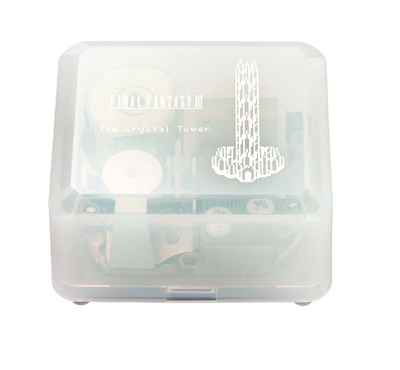
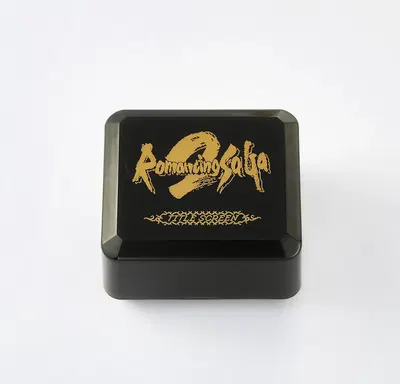
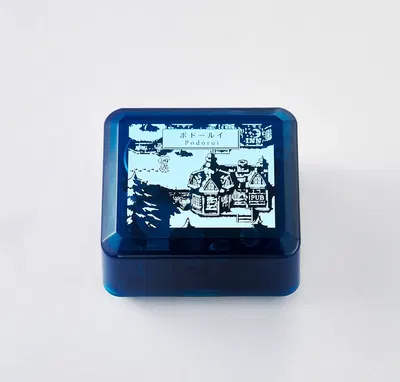
The setup is pretty clean, and honestly, that’s part of the appeal. You get a DTM-based youth comedy in manga form, a staggered release that gives Hokkaido readers first dibs, and a first-print bonus that isn’t just a postcard nobody asked for. It’s a music card, and that changes the whole vibe.
The SONOCA bonus is the real hook here
The first shipment includes a SONOCA music card, which lets readers listen to songs sung by Hatsune Miku and Kasane Teto. If you’re a Japanese learner, this is a neat vocabulary rabbit hole too, because DTM is short for desktop music, and it’s one of those borrowed abbreviations that keeps showing up in anime, vocal synth culture, and creator communities.
What I especially like is that the bonus isn’t random merch tacked on after the fact. It fits the series’ subject matter, so the manga, the music, and the packaging all point in the same direction. That’s the kind of synergy that sounds cheesy when companies do it badly, and feels genuinely cool when it’s done right.
Why Hatsune Miku and Kasane Teto matter
Hatsune Miku is still the giant name here, obviously, but Kasane Teto brings a different kind of fandom energy, more playful, more internet-born, more “if you know, you know.” Together, they make the release feel aimed at people who already understand the ecosystem around vocal synthesis and online music culture, not just casual manga buyers.
And that matters because Rinko Craftwave isn’t just a manga about music, it’s a manga about the culture around making music, which is a very different thing. There’s a reason these projects land better when they respect the scene they’re borrowing from.
Hokkaido gets the early release first
The regional advance sale starts in Hokkaido on November 6, and the nationwide rollout follows on November 20. That’s the concrete part, and it’s the part you should actually remember if you’re planning to look for the book in stores.
The Hokkaido angle isn’t just a quirky footnote, either. 145 is from Hokkaido, so the early launch gives the release a local homecoming feel, which is nice for once instead of the usual faceless national rollout. I’ll die on this hill: local-first releases can be genuinely meaningful when they match the creator and the setting.
What bookstores are getting
According to the press materials, the first print run also comes with limited cover versions, newly drawn stickers in seven types plus an extra support-store edition, and paper inserts in five types. That’s a lot for one volume, and yes, it’s a little bit chaotic, but manga marketing has always been a tiny bit unhinged when it wants to move units.
For collectors, that means the first wave is the one to watch. For everyone else, it means this is one of those releases where the shelf presence will probably look more serious than a normal debut volume, because the packaging is doing a ton of work.
Why this release feels bigger than a standard manga volume
At the end of the day, this is still volume 1 of a manga by 145, serialised on Yosumi. But the release strategy gives it more personality than the average first 単行本 (tankobon, standalone book; paperback volume) drop, because the music card ties directly into the story’s DTM identity, and the Hokkaido-first timing gives it a regional angle that feels deliberate instead of mechanical.
For Japanese learners, this is also a handy example of how media branding works in Japan. Words like 電卓 (dentaku, calculator), sonoca, and DTM culture all sit in the same orbit as manga, idol music, and creator fandom, so even a single release announcement can teach you how tightly those scenes overlap. That overlap is kind of the whole point.
If you like manga that treats music as a lived-in subculture rather than background decoration, this one is worth keeping on your radar. And if you’re building your Japanese reading list, it’s exactly the kind of release that rewards paying attention to how the industry bundles content, bonuses, and local rollout plans.
Frequently Asked Questions
When does volume 1 of Rinko Craftwave come out?
It goes on early sale in Hokkaido on November 6, then gets a nationwide release on November 20.
What is included with the first print run?
The first print run includes a SONOCA music card with songs sung by Hatsune Miku and Kasane Teto, plus limited covers and bonus paper items.
Who is the manga by?
The manga is written by 145 and serialised on the Yosumi manga site.