And this one does commit. JR Central is using the Shinkansen not just as transportation, but as a moving stage for the franchise, with the campaign built around listening, character appeal, and the kind of travel tie-in that Japanese series do so well when they remember that fans want more than a poster and a hashtag.

What JR Central is doing with Detective Precure
JR Central is launching a Detective Precure campaign tied to the Tokaido Shinkansen from September 18, and that date matters because this isn't just a vague autumn promo. It's being positioned as a travel collaboration, with the bullet train itself becoming part of the franchise’s worldbuilding, which is exactly the sort of move that makes Japanese marketing feel both extremely practical and a little bit theatrical.

The core hook is simple, and honestly smart. Instead of throwing the whole cast at the campaign and hoping something sticks, the promotion puts a spotlight on Anna and three other characters. That narrower focus gives the collab an actual point of view, and for fans, that usually beats a noisy all-cast collage that says everything and nothing at once.
Why the Tokaido Shinkansen is the right vehicle
The Tokaido Shinkansen is one of those routes that instantly signals mobility, speed, and a very specific kind of modern Japan. So if you're building a campaign around detective themes, mystery, and travel, this line makes sense on a symbolic level as much as a practical one. It connects Tokyo, Nagoya, and Osaka, which also means the campaign has a built-in audience of commuters, weekend travellers, and people who'll absolutely notice a franchise tie-in on a major rail line.
For Japan fans and language learners, there is a nice little vocabulary angle here too. Shinkansen means bullet train, of course, but the campaign also plays into the idea of 旅行 (ryoko), or travel, and お出かけ (odekake), a casual outing. Japanese promotions love this overlap, because travel isn't just transport, it's content. And sometimes, annoyingly, they're right.
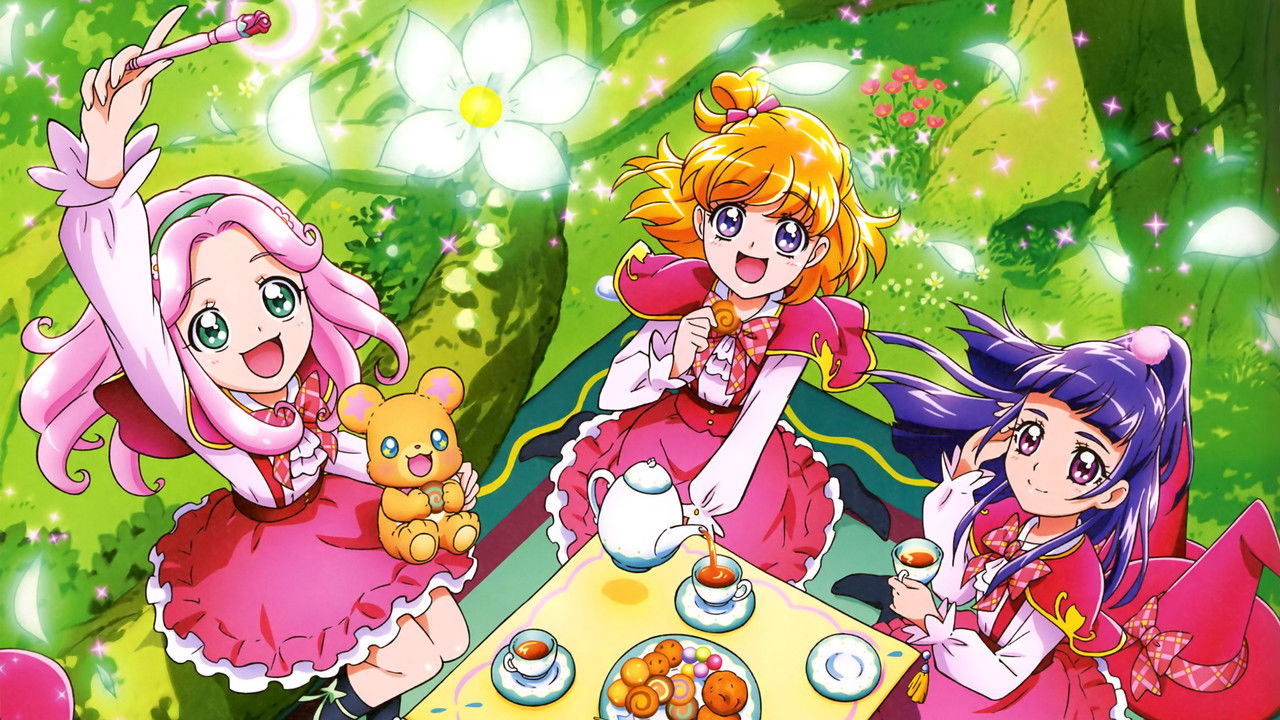
What I especially like is that this kind of collaboration usually makes the franchise feel physically present in everyday life, not locked away in a streaming app or a merch shelf. You're on a train, you're looking out the window, and the campaign is basically saying, hey, the story can travel with you. That's a better fit for a detective-themed Precure project than a lot of people might expect.
Anna and the character-first angle
The decision to centre Anna and three other characters tells you a lot about the intended tone. This isn't trying to be an all-purpose franchise anniversary splash, where every character gets five seconds and a key visual gets overloaded into mush. It's a character-focus campaign, and that gives the voice drama format room to breathe.
Voice drama works because it lets the personalities do the marketing without needing a full episode or a cinematic trailer. For fans, that means you get something more intimate than a generic ad read, and for a series like Detective Precure, which is already built on identity, clues, and team dynamics, that format is a pretty clean fit. If the writing is good, it can do a lot with very little. If it isn't, well, then it's just marketing with sound effects. We've all suffered through that before.

Why voice drama matters here
Japanese fan campaigns often live or die on the small stuff, the tone of a line delivery, the way a character reacts, whether the script remembers who is supposed to be earnest and who is supposed to be the chaos gremlin. Voice drama gives this collab a chance to sell personality first, product second, and that is usually the right order when you want fans to care.
It also helps language learners, because these tie-ins often surface casual phrasing, character speech patterns, and everyday travel vocabulary in a context that is easier to remember than a textbook dialogue. If you're studying Japanese, this is the sort of media where you can pick up how characters sound in relation to each other, not just what words they use. That matters more than people admit.
What this says about modern Precure marketing
Precure has always been very good at expanding beyond the TV screen, and that is part of why the franchise keeps feeling culturally alive instead of simply long-running. JR Central entering the picture isn't random, it is a reminder that Japanese kids’ franchises are often designed to move, literally and commercially, across media, stores, trains, and event spaces.
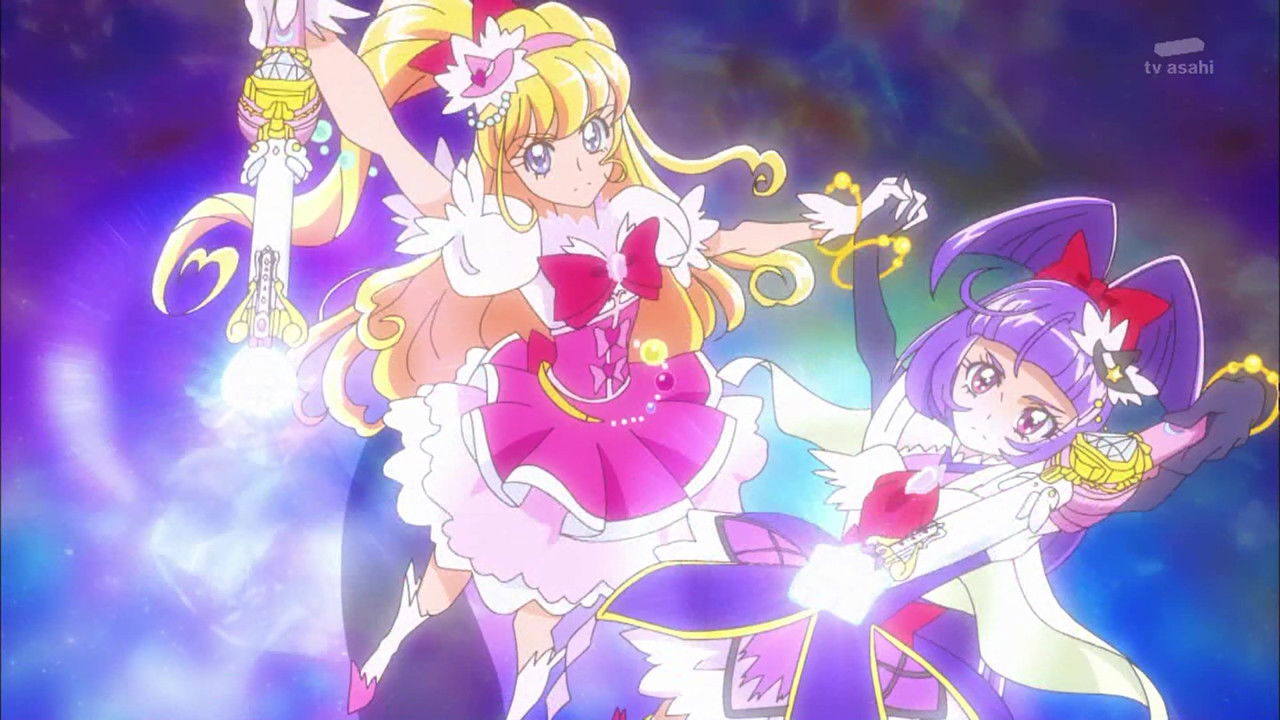
And here's the thing, this kind of campaign only works if the franchise has enough character goodwill to carry the whole setup. Detective Precure does, at least in principle, because its detective framing already invites clues, routes, and little narrative breadcrumbs. Put that next to the Tokaido Shinkansen, and the collab suddenly feels less like a corporate checkbox and more like an extension of the story world.
So yes, this is a promotion. Obviously. But it is also the kind of promotion that reminds you why Japanese crossovers can be fun when they're built around a strong character hook and not just slapped onto a train for the sake of it. The Anna focus makes the campaign feel more personal, and the Shinkansen setting gives it that clean, forward-moving energy that matches the series better than I expected.
In pictures

Frequently Asked Questions
When does the Detective Precure x JR Central campaign start?
It starts on September 18.
Which train line is involved in the collaboration?
The campaign is tied to the Tokaido Shinkansen.
Who is the main character focus of the campaign?
The promotion highlights Anna and three other characters.