When autumn starts moving across Japan
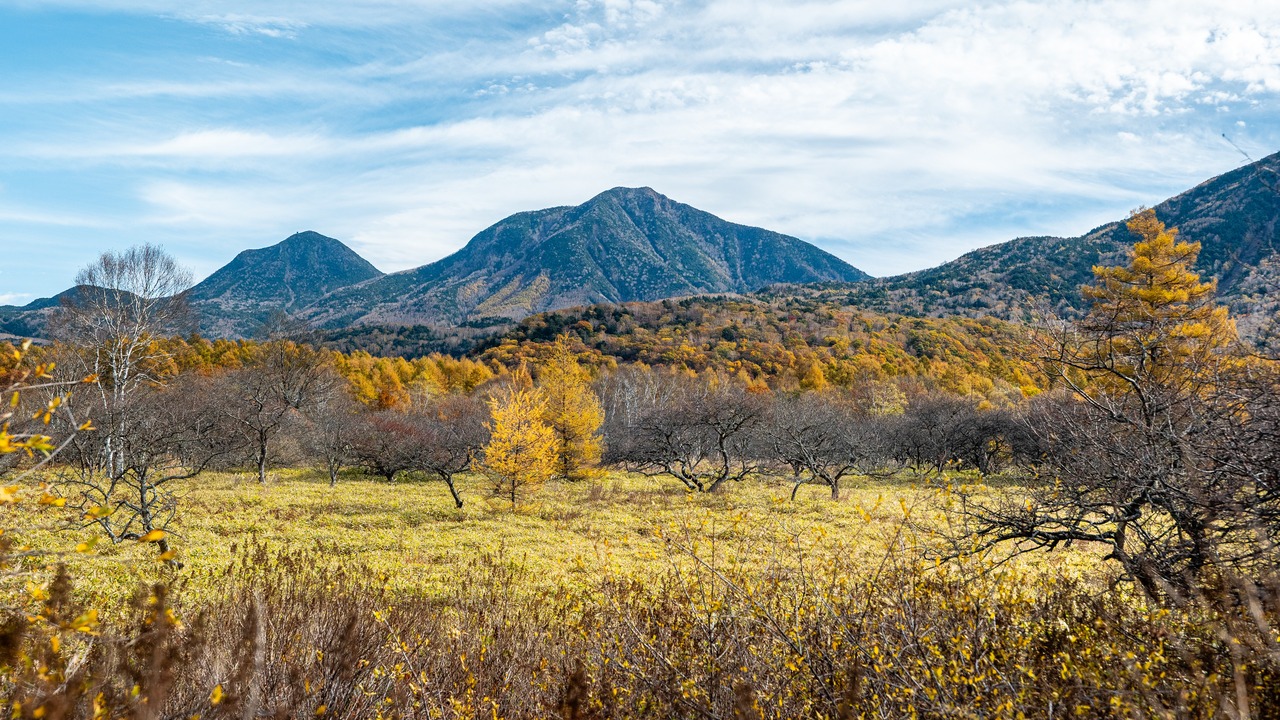
Autumn in Japan doesn’t arrive everywhere at once. The colour change begins higher up in the mountains, where cooler nights help leaves turn red, yellow, and orange earlier, then it slowly moves toward lower towns and major cities. That pattern is one reason people talk about the 紅葉 (kouyou, autumn foliage) front, because the season feels like it’s travelling south and downhill, not just landing on the calendar all at once.


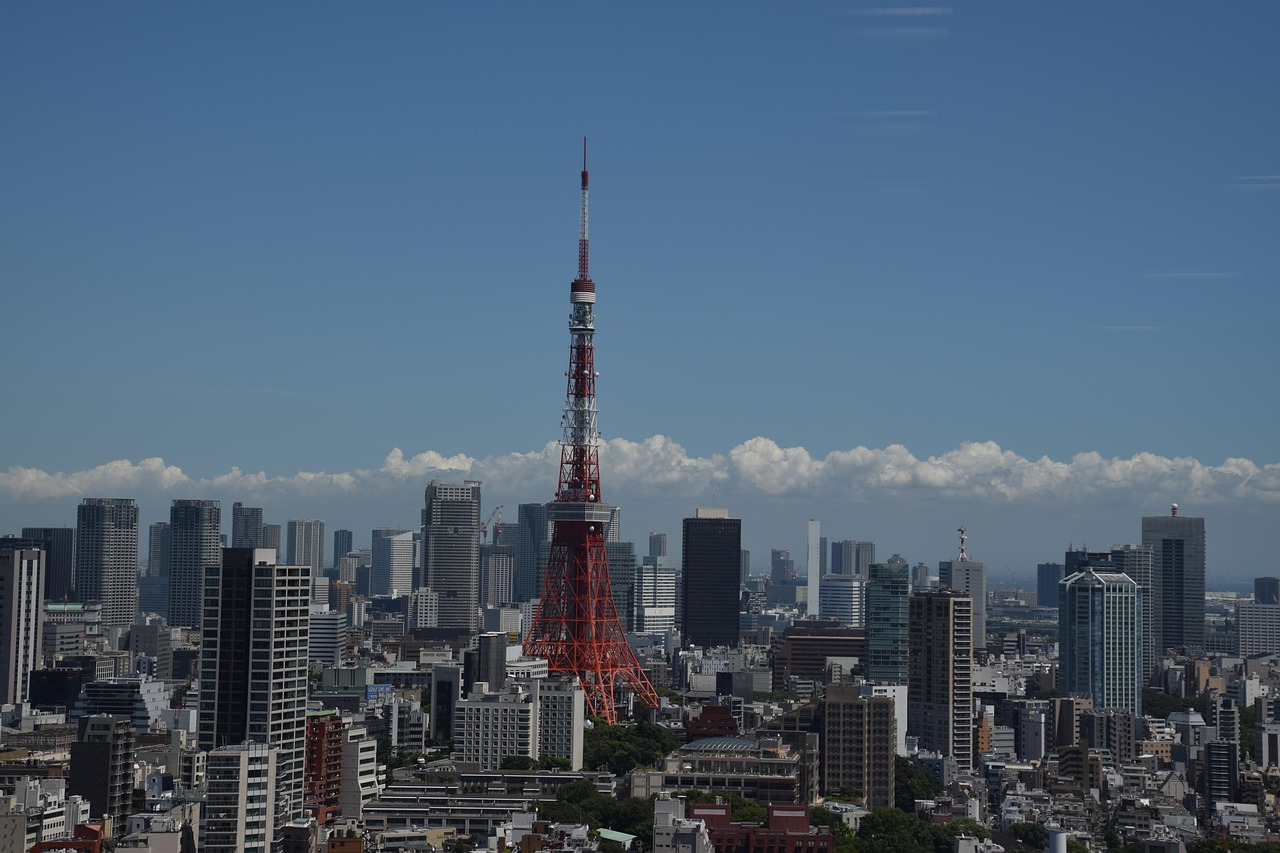
Chronogram Magazine notes that northern and higher-elevation areas tend to change earlier than central Tokyo, which is why places such as the mountains around Lake Chuzenji and Kegon Falls are often associated with earlier leaf viewing. On the flip side, central urban areas can still be waiting for their turn while the highlands are already glowing. For Japanese learners, kouyou is a nice seasonal word to pick up here, and so is 紅葉 (momiji) for the red maple leaves that often define the season.
And that timing matters for planning. If you want quieter travel, the shoulder weeks around the first colour change can be a good fit, especially in lesser-known mountain towns, because you get the atmosphere without having to rush through crowds. Autumn isn’t just one destination; it’s a moving season that rewards patience.
Why autumn feels so different in Japan
What many overlook is how strongly autumn colours connect with everyday Japanese spaces. Temples, shrines, old streets, and ryokan towns all seem to make room for the season, and the effect is stronger when wood, stone, 畳 (tatami, tatami mat), and garden trees are all in the same frame. Voyapon highlights this blend of architecture, historical treasures, and tradition, and that combination is really the heart of autumn travel here.
A quiet temple garden can feel almost like a pause button. You sit on tatami, look out at maples and ginkgo trees, and the whole scene becomes part landscape, part atmosphere, part cultural practice. It isn’t just about taking a photo and moving on. The season invites a slower pace, and Japan has a way of rewarding that kind of attention.
There’s also the small language pleasure of hearing seasonal words in context. Koyo, momiji, and 秋 (aki, autumn) all show up in signs, guidebooks, and conversation, and they help you read the season a little more closely. If you’re learning Japanese, autumn is one of those times when vocabulary becomes attached to place, not just memorised on a list, which makes it easier to remember later.
Hidden spots where the season feels closer
Deep in the mountains of Gifu, autumn can feel especially intimate, and that’s where the hidden-gem appeal comes in. Places that were once quiet getaway areas, such as onsen villages and mountain settlements, often keep a gentler rhythm than the big-name sightseeing routes. That slower tempo lets the seasonal colours breathe a bit.


Gifu is a good example because the prefecture combines mountain scenery, traditional towns, and hot spring culture. Even without chasing famous landmarks, you can find hidden spots where the trees frame old streets or a bathhouse sits under turning leaves. What’s more, the journey there often becomes part of the experience, with local trains, buses, and small roads pulling you away from the obvious tourist flow.
My own recommendation is simple: choose one area and give it time. Autumn travel in Japan often works better when you do less, not more. A single town, a temple walk, a short mountain detour, and one long look at the trees can be enough to make the season stick with you.
How to travel through autumn without rushing it
So how do you make the most of it? Start by checking elevation and latitude, because both affect when the colours change. Northern regions and higher mountains turn first, while lower city areas follow later. That means a journey can be built around the front itself, moving from cooler high ground to warmer urban districts as the season progresses.
If you want a quieter route, look for off the beaten path places that still have strong local character, such as temple districts, canal towns, or hot spring villages. They often offer the same autumn palette as the famous spots, just with more space to notice small details: a persimmon tree, a stone path covered in leaves, or the sound of wind in the garden. Those are the moments that tend to stay with you.
And if you’re planning around language learning as well as travel, this is a great season to keep a small notebook. Write down place names, menu items, and seasonal words you hear on trains or in inns. It sounds minor, but these little notes build a deeper map of Japan over time, and autumn is an especially good season for that kind of slow learning.
Frequently Asked Questions
When does autumn start in Japan?
It starts first in the mountains and northern areas, then moves toward central cities later in the season.
Why is autumn so popular for travel in Japan?
Because the leaf colours, temples, gardens, and cooler weather come together in a way that makes travel feel calm and atmospheric.
Is autumn a good season for Japanese learners?
Yes, because seasonal vocabulary appears everywhere, from signs and guides to menus and local conversation.
Sources
- Voyapon - Autumn in Japan: An Experience to Cherish
- Chronogram Magazine - Beyond the Fall Colors: Why Autumn in Japan Is a Cultural Experience
- Japan Style Stories - Chasing the Autumn Leaves Front: From North to South Across the Japanese Archipelago
- Tokyo Cheapo - Koyō: 19 Top Places To See Autumn Leaves in Tokyo in 2026
- TaxiBuzz - Chasing Autumn Up the Mountain, Catching Fall Three Weeks Before Tokyo