
For Japanese learners, this is a neat example of how promotion works in Japan: a hit title gets visibility where fans already pass through, then the publisher uses that momentum to push a re-release. If you read manga news in Japanese, words like 裁判 (saiban, trial / court case), saihanken, and ランキング (rankingu) often appear around stories like this, and this one has both a ranking win and a reprint angle.

JR Akihabara Station becomes the stage
The display is taking place at JR Akihabara Station, one of the most symbolic spots in Tokyo for manga, anime, and game promotion. That location matters, because Akihabara isn’t just a district name, it’s also a kind of shortcut in Japanese media news for a fan-heavy audience that can be reached directly in a station concourse.
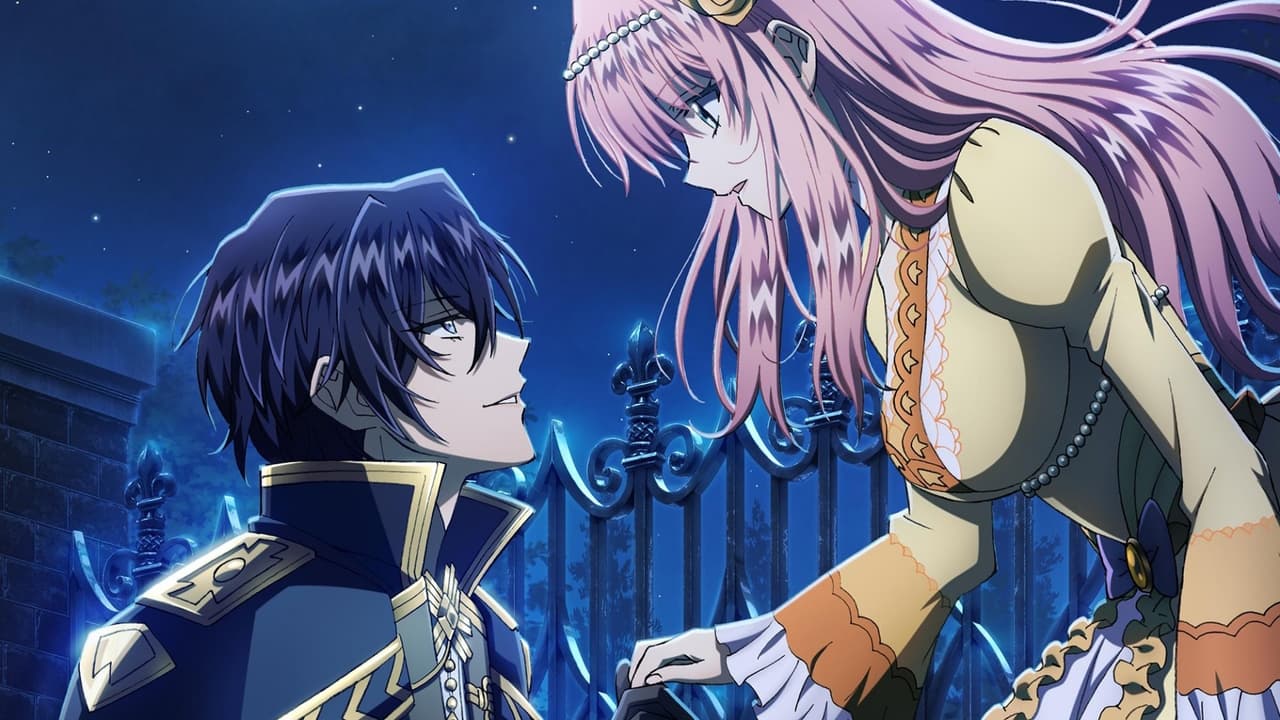
This kind of display is a familiar Japanese marketing move, but it only works when the title already has momentum. Here, the pitch is simple: put the artwork where thousands of people see it daily, and let the station do part of the publicity work. For a romcom with a time-loop premise, that visibility can help the series reach readers who may know the genre from light novels, manga, or anime, but not yet this specific title.
KTC and the reprint push behind the campaign
KTC, short for Kiro Time Communication, is using the Akihabara display to support the manga’s renewed attention. The company’s announcement frames the campaign as part of a broader reprint effort, which usually means stronger distribution, renewed bookstore visibility, and a chance to reach readers who missed the title when it first circulated.

That matters for manga fans in Japan because a reprint is often a quiet signal that a series is moving again. It doesn’t always mean a huge national advertising budget, but it does mean the publisher thinks the title has enough demand to justify another run. My tip: if you track Japanese manga releases, watch for the word saihanken or the phrase sahan in publisher announcements, because they often point to this exact kind of second wind.
Why station promotions still work
Station ads and displays work especially well in Tokyo because they catch both regular commuters and casual visitors. Akihabara is even more effective than most stations, since many people already arrive expecting character goods, collaboration visuals, and limited-time promotions.
For language learners, this is also a useful real-world vocabulary set. Station ads are often called keitai bang, chokuzen keisai, or simply poster campaigns depending on the format, and publishers frequently pair them with words like 再版 (saihan, reprint / reissue), zenshi, and 出荷 (shukaku, shipment(s)) to describe print runs and stock movement.
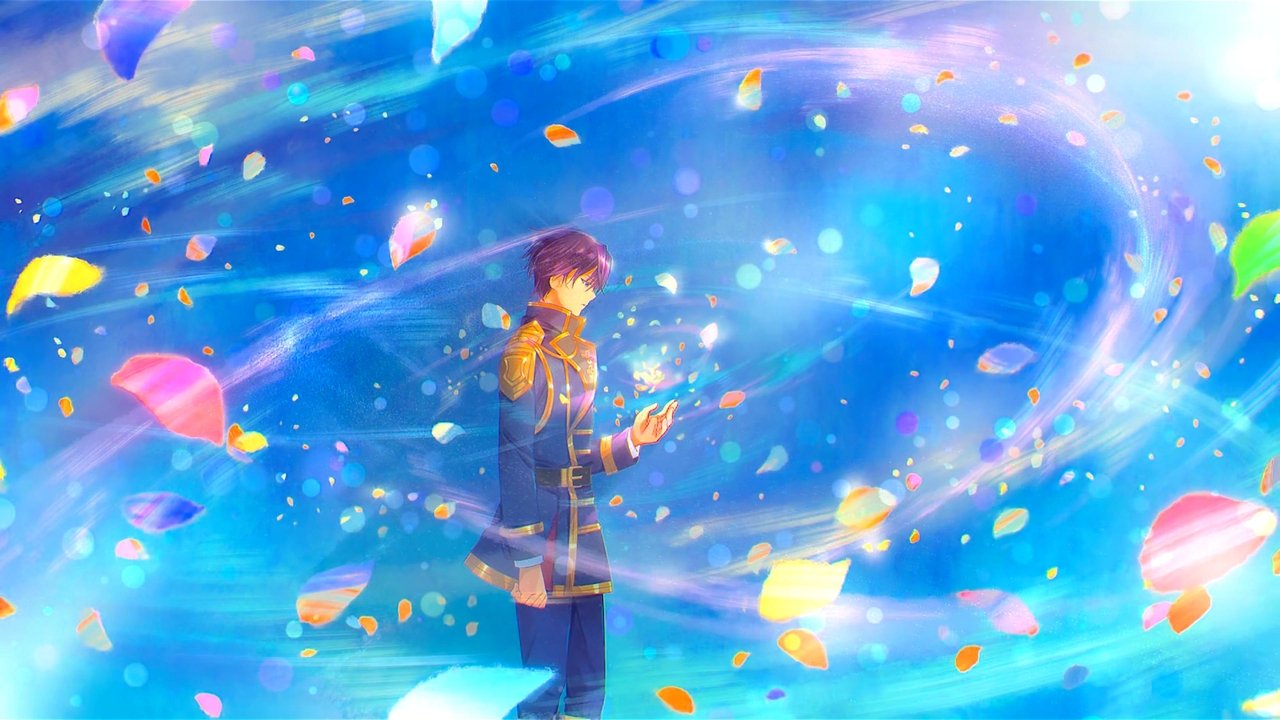
Niconico Manga monthly No. 1 gives the title momentum
According to the original release, 7th Time Loop reached No. 1 on the Niconico Manga monthly ranking. That is the other key part of the story, because ranking success changes how a title is discussed by retailers, fans, and media outlets.
A monthly No. 1 spot isn’t just a vanity metric. It suggests steady reader attention over a longer stretch, which is often more meaningful for a manga than a one-day spike. In practical terms, it can lead to more shelf space, more reposts on social media, and stronger justification for reprints or cross-promotions. The best part: this is exactly the sort of story where a manga’s online popularity translates into a physical presence in a very visible Tokyo location.
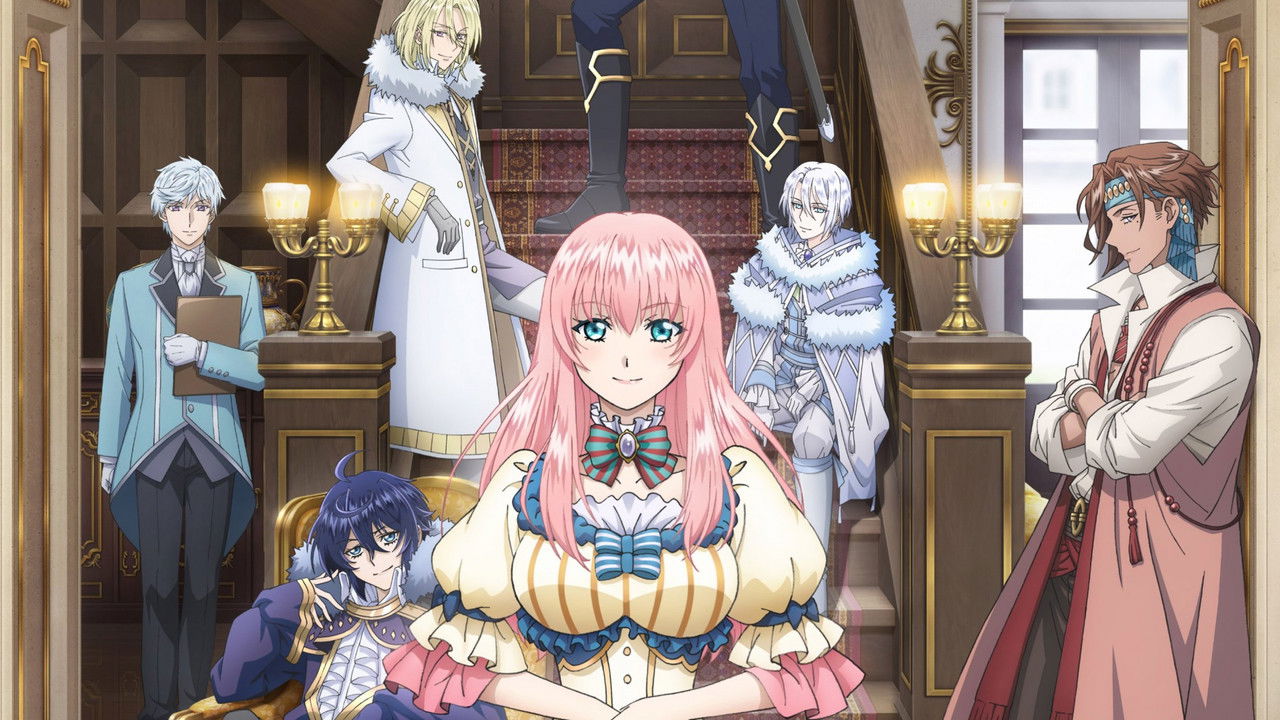
What 7th Time Loop means for fans of Japanese fiction
7th Time Loop fits a very popular Japanese genre blend, mixing reincarnation, time reset mechanics, romance, and court-style drama. The title’s full Japanese form is often read as Loop 7-kaime no 悪役令嬢 (akuyaku reijou, villainess) wa, Moto Tekikoku de Jukimama na 花嫁 (hanayome, bride) Seikatsu, which already tells you a lot about the genre expectations: a villainess setup, repeated lives, and a romance that bends fate.
For readers learning Japanese, titles like this are useful because they show how long genre names can become descriptive shorthand. You’ll often see akuyaku reijou, 転生 (tensei, reincarnation), loop, and hanayome used as quick labels in manga and anime conversations. That makes this campaign more than just a poster story, it’s also a small example of how Japanese fandom language works in practice.
What I especially like is the combination of physical promotion and digital ranking. A manga can trend online, then appear in a station display, and then feed back into bookstore sales and reprint demand. That cycle is very Japanese in the best way, practical, data-driven, and tightly connected to places fans already know.
In pictures
Frequently Asked Questions
Where is the display located?
It is being shown at JR Akihabara Station in Tokyo.
Who is behind the promotion?
KTC, or Kiro Time Communication, is behind the campaign and the reprint push.
Why is this newsworthy?
The manga also reached No. 1 on Niconico Manga’s monthly ranking, which strengthens the case for wider promotion and reprints.